

Romance fiction is a powerhouse genre, consistently topping bestseller lists and captivating millions of readers worldwide. Its enduring appeal lies in its ability to explore universal themes of love, connection, and human relationships, often through compelling characters and satisfying emotional journeys. For aspiring romance writers, studying successful books isn’t just enjoyable; it’s an invaluable masterclass in the craft.
These popular titles, across various subgenres, offer tangible lessons in character development, plot pacing, emotional depth, and the art of building undeniable chemistry. They demonstrate how to create stories that resonate, evoke strong feelings, and leave readers with a lasting sense of satisfaction. It’s about understanding the mechanics behind the magic.
This guide will break down several influential romance novels, highlighting key takeaways that you, as a writer, can apply to your own work. From mastering the “meet-cute” to navigating conflict and delivering a truly earned happily ever after (HEA) or happily ever after (HFN), these examples provide a blueprint for success in the vibrant world of romance.
Understanding Romance Genre Fundamentals
Before diving into specific examples, it’s crucial to grasp the foundational elements that define the romance genre. These core tenets are what readers expect and what successful authors consistently deliver. They create a framework for satisfying storytelling.
Romance isn’t just about love; it’s about the journey to find and keep it, overcoming obstacles along the way. These fundamentals ensure that your story meets reader expectations while still allowing for unique creativity.
The Central Relationship Arc
At the heart of every romance novel is the development of a romantic relationship between two (or more) main characters. The entire plot revolves around this evolving connection, from initial sparks to deep commitment. It’s the engine of the story.
Readers are invested in seeing the protagonists overcome obstacles to be together. Every scene, every conflict, and every character interaction should ultimately serve to advance or challenge this central relationship.
Emotional Journey and Growth
Romance novels are inherently emotional journeys. The characters should experience a wide range of feelings—joy, fear, vulnerability, desire, heartbreak—that readers can connect with. This emotional depth is key to reader investment.
Both protagonists should undergo significant personal growth as a result of their relationship. They learn about themselves, confront their flaws, and mature, making their eventual union feel earned and meaningful.
Guaranteed Emotional Payoff (HEA/HFN)
A defining characteristic of romance is its commitment to an emotionally satisfying and optimistic ending. This typically comes in the form of a Happily Ever After (HEA), where the couple is irrevocably committed, or a Happily For Now (HFN), where they are together and stable, with an implied positive future.
This promise of a positive resolution is a primary reason readers flock to the genre. It’s about delivering hope and satisfaction, fulfilling the emotional contract between author and reader.
Lessons from Popular Contemporary Romance
Contemporary romance often features relatable characters navigating modern life, jobs, and social dynamics. These stories are grounded in reality, making their romantic journeys feel authentic and achievable. They often excel at banter and everyday chemistry.
Studying these popular titles reveals how to build natural connections and compelling conflicts within a familiar setting. They showcase the power of character voice and the slow burn of developing affection.
1. “The Kiss Quotient” by Helen Hoang

Key Learning: Authentic Representation and Unique Character Voice. Stella Lane is a successful woman with Asperger’s who hires a male escort to teach her about intimacy. This novel shines in its authentic portrayal of neurodivergence, showing Stella’s unique perspective on relationships.
Writers can learn the importance of researching and respectfully portraying diverse experiences. The book doesn’t just feature a neurodivergent character; it allows the reader to experience the world through her eyes, building empathy and understanding.
The novel also excels at developing a distinctive character voice for Stella. Her internal thoughts and logical processing provide both humor and insight, making her relatable despite her differences. This unique perspective drives the charm of the story.
2. “The Hating Game” by Sally Thorne
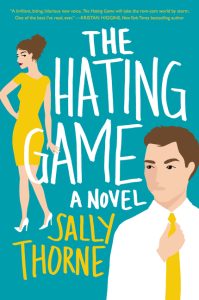
Key Learning: Masterful Enemies-to-Lovers and Pacing Sexual Tension. Lucy Hutton and Joshua Templeman are executive assistants who despise each other but are forced to work closely together. Their intense rivalry gradually morphs into an undeniable attraction in a perfectly executed enemies-to-lovers trope.
This book teaches how to craft witty, sharp banter that highlights simmering chemistry. Their dialogue is a battleground of passive aggression and hidden desire, making every interaction crackle with tension.
Writers should observe the slow, delicious burn of sexual tension. Thorne expertly builds anticipation, revealing layers of attraction and vulnerability piece by piece. The pacing ensures the payoff feels incredibly earned and satisfying.
3. “Red, White & Royal Blue” by Casey McQuiston

Key Learning: High-Concept Premise and Blending Romance with External Stakes. This global phenomenon features a forbidden romance between the First Son of the United States and a British prince. It combines a charming love story with political intrigue and themes of duty versus desire.
The primary lesson here is the power of a strong, high-concept premise. A unique hook draws readers in immediately and provides built-in conflict. The “forbidden” aspect is amplified by their public roles.
Additionally, the book demonstrates how to integrate external plotlines (like politics) seamlessly with the romance. The characters’ struggles are intertwined with national and international implications, raising the stakes beyond just their relationship.
Lessons from Enduring Historical Romance
Historical romance transports readers to different eras, often with rich details and grand gestures. These novels demonstrate how to build authentic worlds while maintaining timeless romantic appeal. They often highlight societal obstacles.
From the Regency ballrooms to the Scottish Highlands, historical romance teaches the importance of period accuracy and immersing the reader in a bygone era. Yet, the emotional core remains universal.
1. “Pride and Prejudice” by Jane Austen

Key Learning: Character-Driven Conflict and Nuance of Social Observation. Considered a foundational romance, Austen’s masterpiece features the iconic enemies-to-lovers story of Elizabeth Bennet and Mr. Darcy. Their journey is fraught with misjudgment, societal pressure, and stubborn pride.
Writers can learn about character-driven conflict. The obstacles to Elizabeth and Darcy’s union are primarily internal (pride, prejudice, misunderstanding) and societal, rather than external villains. Their flaws fuel the tension.
Austen also provides a masterclass in subtlety and social commentary. The romance unfolds through witty dialogue, keen observations of human nature, and a nuanced understanding of social dynamics. The chemistry is often unspoken yet palpable.
2. “Outlander” by Diana Gabaldon

Key Learning: Epic Scope, Deep Worldbuilding, and Sustained Chemistry. This sprawling series blends historical fiction, fantasy, and passionate romance as Claire Randall, a World War II nurse, time-travels to 18th-century Scotland and falls for Jamie Fraser.
“Outlander” exemplifies epic scope and meticulous worldbuilding. Gabaldon immerses readers in the historical period with incredible detail, making the setting a character in itself. This creates a rich backdrop for the intense romance.
Furthermore, it teaches how to sustain chemistry and a complex relationship over many books. The challenges Claire and Jamie face are immense, both external and internal, but their bond remains the unwavering heart of the series.
Lessons from Popular Paranormal & Fantasy Romance
Paranormal and fantasy romance blend magical elements, supernatural beings, or fantastical worlds with compelling love stories. These genres stretch the imagination while still delivering on core romantic expectations.
They teach how to integrate unique powers and otherworldly conflicts into a love story. The key is to make the fantastical elements enhance, rather than detract from, the emotional connection between characters.
1. “A Court of Thorns and Roses” (ACOTAR) series by Sarah J. Maas

Key Learning: High-Stakes Worldbuilding and Transformative Character Arcs. This hugely popular fantasy romance series follows human huntress Feyre Archeron into the perilous world of fae, where she navigates ancient curses, political intrigue, and passionate relationships.
Maas demonstrates how to create intricate, high-stakes fantasy worlds that directly impact the romance. The magical systems, ancient prophecies, and dangerous creatures aren’t just a backdrop; they actively shape the characters’ choices and the romantic journey.
The series also excels at transformative character arcs and unexpected romantic pairings. Characters grow, change, and sometimes even shift their allegiances, keeping the romantic dynamics fresh and surprising while remaining deeply emotional.
2. “From Blood and Ash” by Jennifer L. Armentrout

Key Learning: Propulsive Plotting and Intense Chemistry. This dark fantasy romance features a chosen maiden, Poppy, whose life is dictated by ancient tradition, until she encounters the dark and mysterious guard Hawke. It’s known for its blend of action, secrets, and steamy romance.
Writers can learn about propulsive plotting and cliffhanger endings that keep readers hooked. Armentrout weaves intricate mysteries and constant revelations that drive the narrative forward at a relentless pace, often ending chapters on a note of high tension.
The series also teaches the art of building intense, often dangerous, chemistry. The forbidden nature of Poppy and Hawke’s connection, combined with their strong personalities, creates a palpable sexual and emotional tension that is central to the series’ appeal.
General Takeaways for Aspiring Romance Writers
Beyond specific books, there are universal lessons that successful romance authors consistently apply. These principles form the bedrock of any compelling love story, regardless of subgenre or setting. They are the secrets to reader satisfaction.
Mastering these general tips will significantly enhance your ability to craft a romance novel that resonates deeply with your audience. It’s about combining strong storytelling with an understanding of reader desires.
Show, Don’t Tell, Chemistry
Don’t just tell readers your characters have chemistry; show it through their interactions. This means witty dialogue, shared glances, physical reactions, internal thoughts, and moments of vulnerability or shared laughter.
Chemistry is built through moments, big and small, that reveal the unique bond between your protagonists. It’s the unspoken understanding, the electric touch, and the way they challenge or complete each other.
Make Conflict Character-Driven
While external events can play a role, the most compelling romance conflicts are often rooted in the characters themselves. Their fears, insecurities, past traumas, or opposing beliefs create the most meaningful obstacles to their union.
This ensures that resolving the conflict requires internal growth from the characters, making their journey to love more profound. The stakes become personal, not just circumstantial.
Pacing the Relationship
The pace at which your characters fall in love is crucial. A “slow burn” builds delicious anticipation, while rapid development can be exciting. The key is to make it feel earned and believable within your story’s context.
Avoid rushing the emotional arc. Allow moments of doubt, setbacks, and increasing intimacy to unfold naturally. The journey to the HEA/HFN is often as important as the destination itself.
Strong Emotional Voice
Romance novels thrive on emotional connection. Your narrative voice should convey the characters’ feelings, vulnerabilities, and desires effectively. Allow readers to fully immerse themselves in their emotional landscape.
Whether it’s through deep point-of-view, evocative descriptions of feeling, or heartfelt dialogue, ensure the emotional core of your story is always present and palpable.
The Importance of a Satisfying Climax
The point where the protagonists finally overcome their last obstacle and commit to each other must be deeply satisfying. This is the moment readers have been waiting for, the emotional payoff.
Make this climax impactful and well-earned, reflecting all the trials and growth the characters have experienced. It should affirm their love and commitment in a powerful way, leading seamlessly into the HEA/HFN.
Write What You Love (and Read Widely)
Authenticity shines through when you write about themes and character dynamics that genuinely excite you. Your passion for the story will resonate with readers and fuel your creativity.
Additionally, read widely within the romance genre, but also outside of it. This helps you understand current trends, identify gaps in the market, and draw inspiration from diverse storytelling techniques.
Conclusion: Crafting Love Stories That Last
Studying successful romance novels offers an unparalleled education in the art of writing captivating love stories. From the witty banter of contemporary tales to the epic scope of fantasy romances, each bestseller provides valuable insights into character development, plot structure, emotional depth, and audience expectations.
The common thread uniting these beloved books is their ability to create compelling characters, build undeniable chemistry, navigate meaningful conflict, and deliver an ultimately hopeful and satisfying conclusion. These elements, when mastered, form the blueprint for a truly enduring romance novel.
As you embark on your own romance writing journey, draw inspiration from these masters, but always infuse your work with your unique voice and vision. The heart of romance lies in its ability to connect, to inspire, and to remind us of the powerful, transformative nature of love. Now, go forth and write a love story that readers will cherish!

