
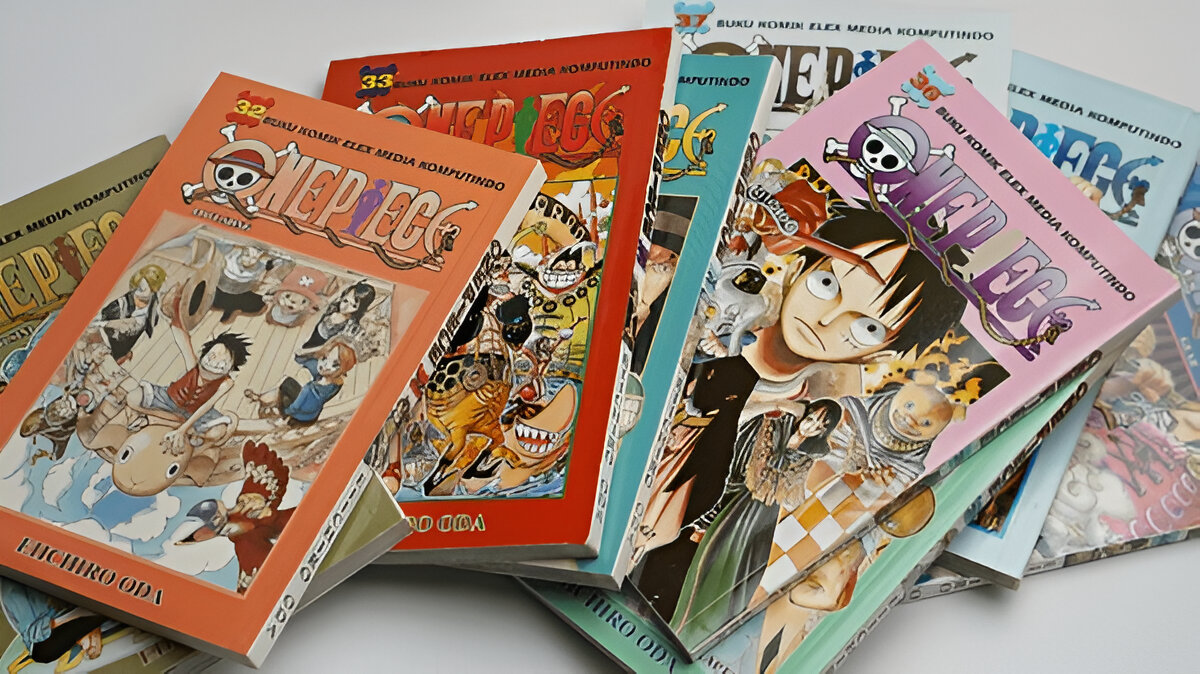
To write a story like One Piece, cultivate boundless imagination for your world-building, creating diverse locations with deep lore and unfolding mysteries. Craft memorable characters with distinct dreams and emotional backstories, especially a strong protagonist and a loyal crew. Structure your plot with self-contained arcs that contribute to a larger narrative, balancing humor and emotional depth. Use foreshadowing and consistent themes like freedom and found family to give your epic adventure lasting impact.
The Grand Line of Storytelling: What Makes One Piece Unique?
One Piece is more than just a pirate adventure; it’s a testament to consistent world-building, unforgettable characters, and a relentless pursuit of dreams. Its global phenomenon status stems from a unique blend of bizarre concepts, deep lore, unwavering themes, and a perfect balance of zany humor and profound emotional impact. To write a story with its spirit, you must embrace a similar philosophy of adventure, freedom, and the boundless pursuit of personal goals.
Your journey begins by allowing your imagination to run wild. Don’t shy away from bizarre concepts, fantastical species, or unique power systems. The world of One Piece thrives on its sheer originality, where anything feels possible. Always prioritize the sense of adventure and exploration, making the journey itself as important as the destination.
World-Building: Crafting a Vast and Mysterious Canvas
A story “like One Piece” needs a world that feels vast, ancient, and full of secrets. Create a central, overarching challenge or geographical concept, similar to the “Grand Line,” that acts as a continuous narrative obstacle and destination for your characters.
Each major location or island in your story should feel like its own unique world. Give them distinct cultures, ecologies, governments, and pressing social or political issues. This ensures every arc feels fresh and contributes to a richer understanding of your universe.
Beyond the immediate setting, develop deep and unfolding lore. Introduce ancient mysteries, forgotten histories, powerful artifacts, and legendary figures. Reveal this information gradually, making readers piece together the puzzle alongside your characters. Effective foreshadowing is key here; plant seeds for future reveals hundreds of chapters later, building incredible anticipation. Lastly, develop a well-defined and creative power system for your world, establishing clear rules and limitations, but allowing for endless creative applications.
Character Development: Crafting Memorable Crews and Foes
The heart of One Piece lies in its characters. Your protagonist needs a simple, unwavering core goal and an infectious charisma that inspires loyalty. They should have clear strengths and endearing weaknesses, often leading to comedic situations.
The concept of “found family” or Nakama is paramount. Each member of your main crew or core group needs a distinct dream, a compelling and often tragic backstory, and specialized skills that perfectly complement the group. Emphasize their individual journeys and the unbreakable bonds of loyalty and trust that form the core of their relationships.
Antagonists in a story like this are more than just evil. Give them varied motivations—perhaps they’re driven by ideology, personal history, or a twisted sense of justice. They should be powerful, intelligent, and genuinely challenge your protagonist’s ideals. Beyond the main cast, introduce a vast supporting cast of memorable side characters, allies, and even minor villains. Even fleeting characters can have unique designs and personalities, and you can re-introduce characters from past arcs to make your world feel truly alive and interconnected.
Plot and Pacing: The Long-Form Narrative Grandeur
One Piece excels at its long-form narrative structure, built on distinct story arcs. Each major location or challenge should form a self-contained arc with its own conflict, specific villains, and a clear resolution. Crucially, each of these smaller arcs must contribute to the larger, overarching plot or central mystery of your story.
Mastering pacing is vital for an epic. Balance high-stakes action sequences with quieter moments of character development, exploration, and humor. Allow for “slow burns” and long-term payoffs, building anticipation over many chapters. Introduce a central, elusive goal or lore-driven mystery early on, and then reveal clues incrementally across different arcs, always maintaining a sense of wonder and curiosity for the reader. Don’t shy away from powerful emotional peaks, building to climaxes of triumph, sacrifice, or poignant sadness, followed by moments of reflection or celebration.
Themes and Messages: The Heart of the Story
Underneath the adventure and humor, One Piece carries powerful, consistent themes. Your story should, too. Explore the tension between freedom and control, showing how various factions embody these concepts. Emphasize the unwavering power of dreams, as characters relentlessly pursue their aspirations regardless of obstacles. The concept of found family and unbreakable loyalty—bonds of choice overriding blood ties—is a constant source of strength and emotional impact. You can also subtly explore ideas of justice and injustice, presenting different perspectives on what is right and wrong, and delve into concepts of sacrifice and legacy, examining the impact of past generations and individual choices.
Humor and Heart: The Emotional Spectrum
A hallmark of One Piece is its ability to blend hilarious comedy with genuinely heartbreaking moments. Integrate varied humor into your story, from slapstick to running gags and character quirks. Use comedy effectively to relieve tension and endear your characters to the audience. Don’t shy away from tragedy, loss, and difficult choices; these moments of emotional depth are what make your characters and their struggles relatable and impactful. The unwavering power of friendship is often a driving force, providing both emotional resonance and a source of strength in overcoming challenges.
The Author’s Approach: Planning and Passion
While this article focuses on how to write, it’s worth noting the dedication behind a story like One Piece. Its creator, Eiichiro Oda, is known for his extensive long-term planning, with evidence of plot points conceived years in advance. This foresight contributes to incredible consistency and attention to detail in a vast narrative. Ultimately, the creator’s passion and evident enjoyment shine through every page, making the world feel vibrant and alive.
Conclusion
Writing a story “like One Piece” means embracing boundless imagination, investing deeply in world-building and its hidden lore, and crafting an unforgettable cast of characters with strong dreams and emotional journeys. It’s about structuring an epic plot through interconnected arcs, balancing high-stakes adventure with genuine humor and profound emotional depth.
Your unique story, infused with these principles, has the potential for its own grand adventure and a lasting impact on readers. So, gather your crew, chart your course, and set sail on your own creative journey. Your magnificent story awaits its discovery.
Ready to bring your epic story to life like One Piece? At Ghostwriting Solution, our expert ghostwriters can help you craft unforgettable worlds, powerful characters, and plots that keep readers hooked. Start your journey today — let’s write your masterpiece together!

