
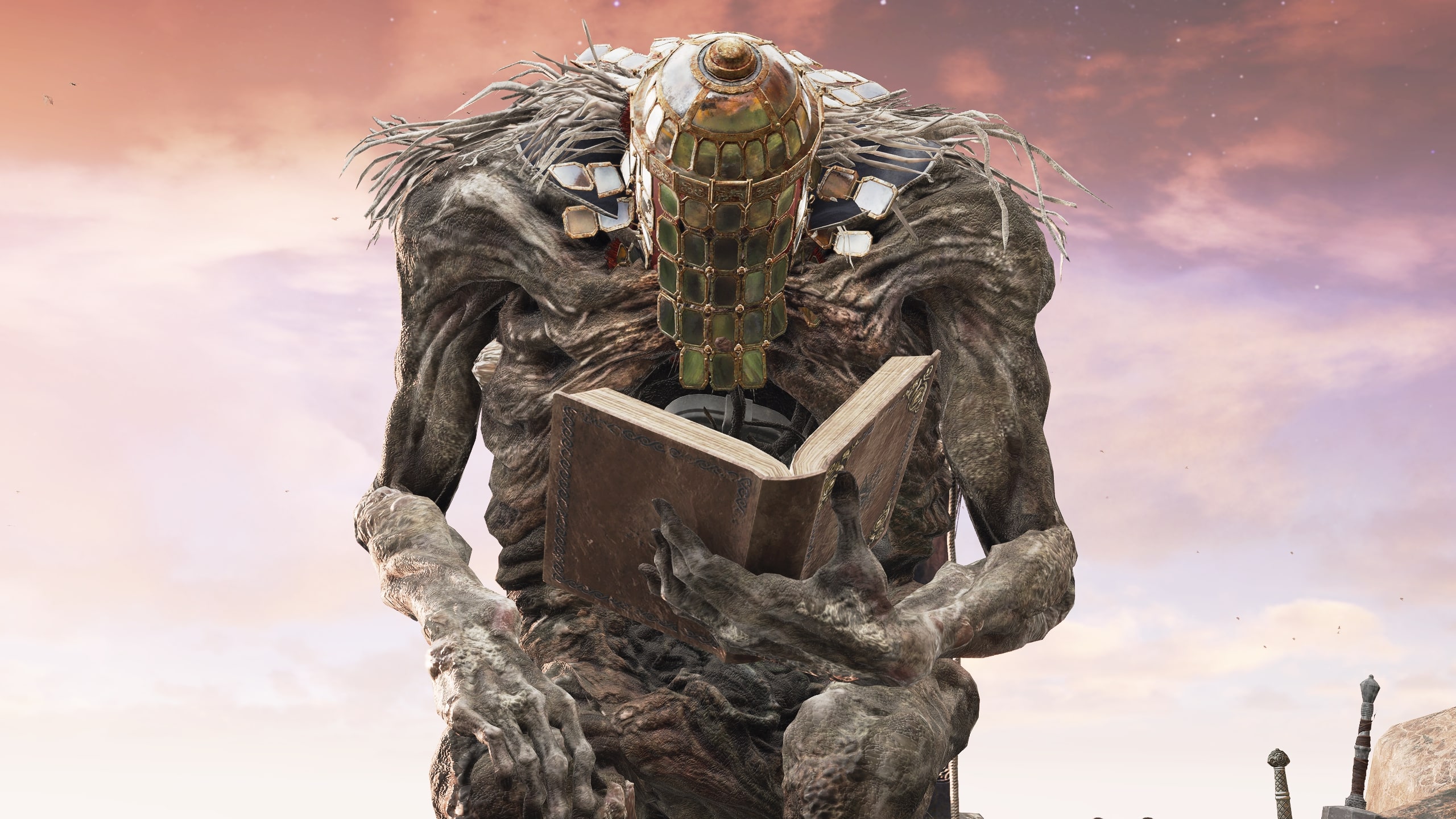
When Elden Ring arrived, it didn’t just expand FromSoftware’s universe—it reshaped what open-world storytelling could be. It took the cryptic, fragmented narrative style of Dark Souls and poured it across a vast, interconnected landscape, rich with gods, wars, curses, and forgotten legends.
The result was staggering. Not just in size, but in emotional depth.
But what truly sets Elden Ring apart isn’t the massive world or epic bosses—it’s how the story is told. Quietly. Mysteriously. Through whispers in item descriptions, through haunted NPCs, and through the strange, beautiful decay of the world itself.
So if you’re wondering how to write a story like Elden Ring, here’s your guide. Whether you’re building a novel, game, or lore-driven world, you’ll learn how to craft a narrative that’s sprawling, tragic, and unforgettable.
1. Begin With Myth, Not Plot
In Elden Ring, the story isn’t about a single person—it’s about a shattered world.
Before the player ever picks up a sword, the gods have already fought. Dynasties have collapsed. Elden Lords have risen and fallen. The world is soaked in myth, not just history. Every region has its own legends, demigods, and curses.
To write a story like this, start not with what’s happening now, but with what once happened.
Invent a golden age. Then break it.
Create gods who ruled and fell, ancient orders that splintered, heroes who turned into monsters. Let your modern world be a consequence of that mythic past. The story doesn’t begin with your main character—it begins with the breaking of a sacred law, the fall of a star, or the birth of a forgotten curse.
Myth first. Plot second.
2. Make the World Tell the Truth, the Characters Won’t
In Elden Ring, NPCs lie—or at least, they don’t tell you everything. They’re cryptic. Fragmented. Sometimes, they don’t even understand the full truth themselves.
But the world? The world doesn’t lie.
The scarlet rot is spreading across Caelid. The broken towers of Leyndell. The quiet, golden corpse of the Erdtree. These places tell you what really happened—without a single word.
When you write, give your world a voice. A battlefield with no survivors. A broken temple half-swallowed by roots. A cave filled with golden bones.
Let your setting contradict your characters. Let it whisper truths your dialogue doesn’t. Readers will pick up on it. They’ll feel the gap between what’s said and what’s real, and that tension is what makes Elden Ring’s story so unforgettable.
3. Make Everything a Fragment of a Bigger Puzzle
The genius of Elden Ring’s storytelling is how nothing exists in isolation.
An enemy in one region might be a fallen knight from another. A spell might be tied to a forgotten school of sorcery. An item in your inventory might hold the key to understanding why a certain region was cursed.
To mimic this in your writing, interlink everything. Give your characters histories that overlap. Let an old weapon belong to someone whose story ended hundreds of pages earlier. Let the architecture of a ruined city mirror the values of its lost civilization.
Don’t explain it all at once. Just plant the pieces. Scatter them. Let readers connect the dots.
That act of discovery—that’s the soul of Elden Ring storytelling.
4. Expand With Purpose, Not Just Scale
Open-world stories often fall into the trap of quantity over meaning. More places, more people, more lore—for no good reason.
Elden Ring avoids this. Every location, no matter how small, adds something to the larger mythos. Every crypt holds a clue. Every boss feels like a chapter in the world’s history.
If you’re building a large world, make sure every part has emotional weight. A forest shouldn’t just be “spooky.” Maybe it’s where the first god was betrayed. Maybe the trees are growing from the bodies of a fallen race.
Every new area should teach the reader something about the world, about the past, about the cost of power.
Meaningful expansion creates a living world, not just a bigger one.
5. Create Characters That Are More Legend Than Flesh
The characters of Elden Ring aren’t just people—they’re symbols. Living myths.
Ranni the Witch. Malenia the Blade of Miquella. Radahn, the Conqueror of the Stars. These aren’t just names—they’re forces of nature. Their motives are complex, their appearances brief, their presence unforgettable.
To write characters like this, focus on what they represent. Each character should carry a theme. Rot, ambition, stasis, defiance, decay. Let their choices reflect that theme, even if the reader never learns their full story.
And make them haunted. Not melodramatic—haunted. By curses, oaths, guilt, memory, prophecy.
They don’t need pages of dialogue. A single line, a single item tied to them, a single memory—those can be more powerful than entire chapters.
6. Use Lore as a Language
In Elden Ring, lore isn’t just background info—it’s a storytelling language. Once you learn it, you see the world differently.
You recognize names. You understand what a certain weapon style says about the era it came from. You spot the influence of a certain god in the design of a ruined cathedral.
You can do this in your writing, too.
Build a consistent set of symbols, names, and historical patterns. Make sure the magic from one region feels different than another. Let architecture reflect the ideology of the people who built it. Let family names carry power and fear.
Over time, your readers will learn the “language” of your lore, and that moment when they understand something without being told? That’s what makes your world feel real.
7. Let Themes Bleed Into Everything
Elden Ring is soaked in themes of decay, ambition, corruption, and renewal. But it doesn’t shout them—it bleeds them into every corner.
A noble family, reduced to cannibals. A holy order, now obsessed with punishment. A star that crashed into the world, warping everything around it.
These aren’t just plot points—they’re reflections of deeper truths.
As a writer, define your themes early, then let them echo. Let characters reflect them. Let cities be built—and fall—because of them. Let even monsters and myths be shaped by these ideas.
The more your world embodies your themes, the more emotionally powerful your story becomes.
8. Let Mystery Be the Reward
Elden Ring never spoon-feeds its answers. You might never fully understand the Frenzied Flame or the true nature of the Greater Will. And that’s okay.
That not-knowing is part of the appeal.
Resist the urge to explain everything in your story. Let some things remain a myth. Let readers debate. Let them write theories. Let them feel like scholars trying to reconstruct a shattered world.
Mystery is more than just a narrative device—it’s an emotional experience. It turns readers into explorers.
9. Give the Reader a Role to Play
In Elden Ring, the player is the Tarnished. A nobody. A wanderer. Not the chosen one—just another soul chasing power.
But over time, they shape the world. Through choice, discovery, and persistence, they change the course of fate.
Even if you’re not writing a game, you can still let your readers feel like they matter. Give them choices—if not literally, then in interpretation. Don’t tell them what to think. Let them draw their own conclusions. Let them question the morality of the world. Let them wonder if they would do the same in your characters’ shoes.
In the end, a great story doesn’t just unfold—it involves.
10. Close With Echoes, Not Answers
How does Elden Ring end? That depends on your choices. But none of the endings feel like a clear resolution. They feel like echoes of something ancient, now repeating.
The Age of Fracture. The Age of Duskborn. The Lord of Frenzied Flame.
Each ending is just a new branch of an old tree. The cycle continues—reshaped, but not resolved.
When you write your ending, don’t tie it in a neat bow. Let it feel like another chapter in a longer history. Let your characters carry the burden of what’s been done. Let the world feel changed—but not healed.
A great ending lingers—not because it answered every question, but because it made you ask new ones.
Final Thoughts: Writing in the Shadow of Giants
To write a story like Elden Ring is to walk a delicate line.
You must be subtle, but purposeful. Vast, but intimate. Mysterious, but meaningful.
You must build a world already broken, then invite readers to wander through the pieces. Not to fix it, but to understand it. To feel its history. To become part of its myth.
So if you want to write like Elden Ring, don’t just tell a story.
Craft a world where every ruin matters. Every name carries a curse. Every silence says more than words.
And most of all, trust your reader.
Let them get lost. Let them wonder. Let them listen for the echoes in your lore.
Because the greatest stories aren’t the ones we’re told.
They’re the ones we discover.

