
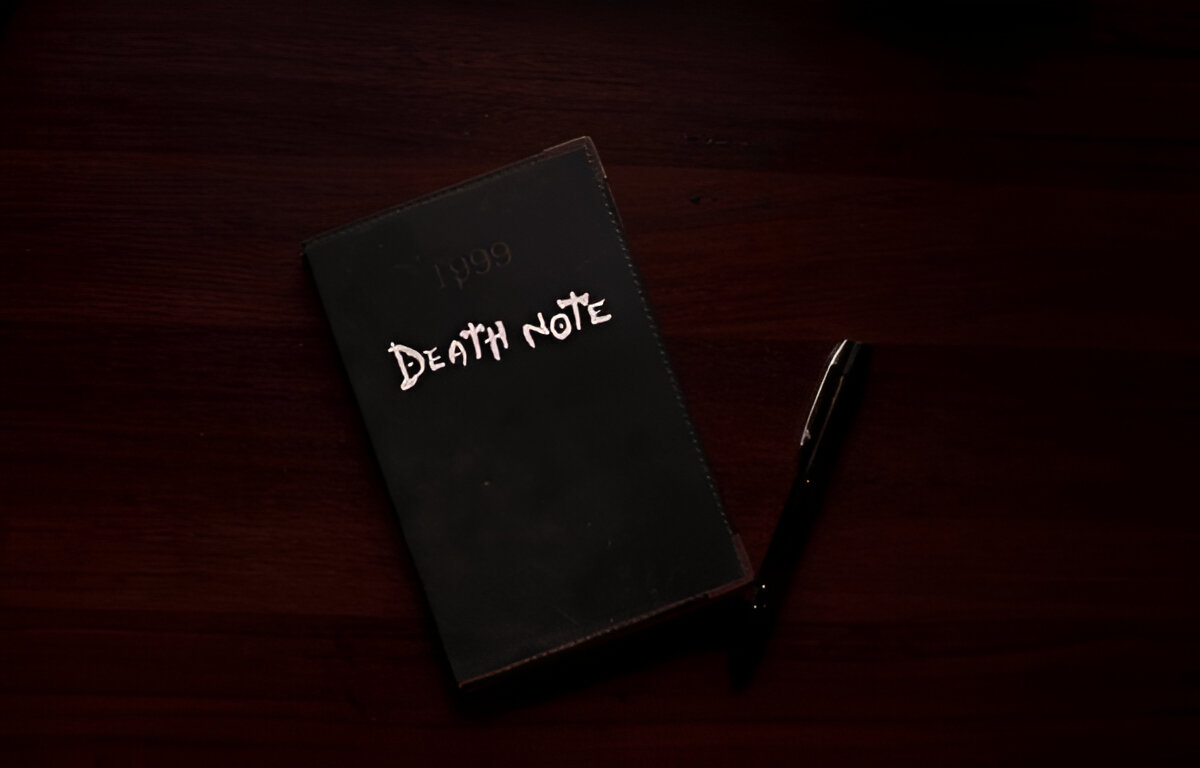
Death Note captivated audiences with its intense psychological battles, morally complex characters, and a thrilling cat-and-mouse game. If you’re looking to craft a story with similar intellectual depth and suspense, you’ve chosen a formidable yet rewarding path. This isn’t about copying Death Note beat-for-beat, but rather dissecting its core elements and applying those principles to forge your own original narrative that resonates with the same kind of intelligent, thought-provoking suspense.
The Core Idea: A Potent Gimmick with Rules
At its heart, Death Note presents a simple yet terrifying concept: a notebook that kills anyone whose name is written in it. Your story needs a similar supernatural gimmick or MacGuffin. Its true brilliance lies not just in its power, but in its rules and limitations.
Defining Your MacGuffin
Your story needs a central supernatural device, object, or ability that acts as the primary catalyst for the plot. This isn’t just a magical item; it’s the fulcrum upon which your entire narrative balances.
- Originality is Key: Instead of a death-inducing notebook, perhaps it’s:
- A device that allows glimpses into alternate timelines.
- An artifact that can amplify or suppress emotions on a mass scale.
- A ritual that grants temporary omniscience but at a terrible cost.
- The “What If”: Always start with the “what if.” What if someone could truly erase crime with a single action? What if they could read minds, but only of those they touch? This foundational “what if” sparks your story.
The Rules: Limitations as Creative Fuel
This is arguably the most crucial aspect after defining the power itself. The Death Note’s numerous, often bizarre, rules are what make the story so compelling. They create challenges, loopholes, and unexpected twists. Without these, Light would simply kill everyone without effort, and there would be no suspense.
- Clarity and Consistency: Your rules must be clear and consistently applied within your story’s universe. Arbitrary rule-breaking will quickly lose your audience’s trust.
- Creating Conflict: How do the rules force your characters to be clever? Think about Death Note‘s necessity of needing both a face and a name, the 13-day rule, or the inability to control complex actions beyond death. These constraints force your “God” figure to strategize intricately.
- Costs and Consequences: What is the price of using this power? Is it a physical toll, a mental burden, a moral degradation, or a literal exchange (like the Shinigami Eyes)? These costs deepen the characters and raise the stakes. The more a character uses the power, the more they should be transformed.
- Discovery of Rules: How are the rules revealed? Are they given upfront, or do characters discover them through experimentation, trial and error, or even tragic mistakes? Gradually unveiling complex rules can be a powerful plot device, adding layers of mystery and surprise.
The Duel of Minds: Crafting Intellectually Matched Rivals
Death Note thrives on the intellectual confrontation between Light and L. This isn’t a battle of superpowers; it’s a war of wits, deductions, and psychological manipulation. You need two (or more) characters who are not just intelligent, but differently intelligent, allowing for a dynamic interplay of strategies.
The “God” Figure: Your Protagonist (or Anti-Hero)
This is your Light Yagami – the character who acquires the power and uses it to enact their vision for the world.
- Profound Intelligence: This character must be exceptionally clever, strategic, and capable of thinking many steps ahead. They should anticipate counter-moves and devise intricate plans. Don’t just tell the reader they’re smart; show it through their actions, internal monologues, and successful schemes.
- Compelling Motivation: Why do they use this power? Light’s desire to cleanse the world of criminals is a powerful, if ultimately twisted, motivation. Is your character driven by justice, personal gain, revenge, boredom, or a misguided sense of superiority? A strong, even if morally ambiguous, motivation grounds their actions.
- Moral Decay/Evolution: How does the power change them? Light starts as an idealistic, albeit arrogant, student and gradually descends into megalomania. Show this transformation. Do they rationalize increasingly extreme actions? Do they lose their empathy? This journey is as important as the plot.
- Fatal Flaws/Hubris: No character is perfect, especially not an anti-hero. Light’s overwhelming arrogance and overconfidence are his ultimate undoing. What weaknesses can your “God” figure possess that their rival can exploit? It could be an emotional attachment, a need for validation, impatience, or a particular blind spot. These flaws make them human and vulnerable.
The “Detective” Figure: Your Antagonist (or True Hero)
This is your L Lawliet – the genius tasked with catching the “God” figure. They must be an intellectual equal, if not superior, capable of unconventional thinking.
- Unique Methodology & Intellect: L doesn’t follow standard police procedure; he’s quirky, socially awkward, and thinks outside the box. Your detective should have a distinct approach to problem-solving. How do they deduce things others miss? What unique habits or perspectives define their investigative style?
- Unwavering Dedication: This character should be relentlessly focused on the case, often to the detriment of their personal life. The pursuit of the “God” figure becomes their sole purpose.
- Motivation Beyond Law: While they may be involved in law enforcement, their drive might be more personal – a fascination with the case, a thirst for intellectual challenge, or a deep sense of justice that contrasts with the “God” figure’s.
- Subtlety and Observation: They often operate in the shadows, observing and deducing. Their triumphs come from small, precise deductions that build into a larger picture, rather than grand, overt actions.
- Potential for Success (and Failure): Just like L, your detective shouldn’t be infallible. They might suffer setbacks or even be outmaneuvered, making their eventual successes (or sacrifices) more impactful.
The Supporting Players: Pawns and Wildcards
Don’t forget the crucial roles of characters like Misa Amane, Mello, and Near. They introduce new dynamics, resources, and unforeseen complications.
- Catalysts: Some characters might serve primarily to move the plot forward or introduce new elements (e.g., Misa’s Shinigami Eyes).
- Contrasting Ideologies: Mello and Near offer different approaches to catching Kira, providing a fresh perspective after L’s departure. Consider introducing characters who challenge the established dynamic or offer alternative methods.
- Human Element: Characters like Soichiro Yagami provide a moral anchor or represent the human cost of the conflict. They can ground the story in emotional reality amidst the intellectual games.
The Art of the Chess Match: Plotting and Pacing
The plot of Death Note is less a linear narrative and more a series of escalating traps, counter-traps, and psychological ploys. Each episode feels like a “move” in a complex game.
Setup, Move, Counter-Move, Escalation
- The Initial Catalyst: Introduce your power and your “God” character’s initial use of it. Show their motivation clearly.
- The First Challenge: The “Detective” enters the scene, or the initial consequences of the power begin to manifest. This is where the game truly begins.
- A Series of Exchanges: The core of your story. Character A makes a move, Character B deduces it and makes a counter-move. This isn’t about physical combat; it’s about information gathering, misdirection, psychological warfare, and anticipating the opponent’s next step.
- Example: Light kills a criminal; L deduces the region; Light kills an FBI agent; L brings in more resources; Light tricks a task force member. Each action provokes a reaction.
- Raising the Stakes: With each exchange, the stakes should rise. The consequences of failure become more severe, the risks taken are greater, and the world itself might be increasingly affected. From personal danger to global chaos, show the growing impact.
- The “Aha!” Moments: Design moments where characters (and by extension, the reader) suddenly understand a complex scheme or deduction. These are satisfying payoffs that reinforce the intelligence of your characters.
Misdirection and Red Herrings
Death Note is a master of leading its audience down false paths.
- Deceive the Audience: Make readers suspect the wrong character, believe a plan has failed when it’s just a setup, or misinterpret a character’s true intentions. This keeps them guessing.
- Internal Deception: Characters themselves might be mistaken or deliberately misled. This can lead to dramatic revelations and shifts in the power dynamic.
Pacing and Suspense
While the intellectual battles are intricate, the pacing remains tight.
- Deliberate, Not Slow: The pacing for deductions and internal monologues should be deliberate, allowing the reader to follow the complex thought processes. However, these sequences should still feel urgent and crucial.
- Chapter/Episode Cliffhangers: Nearly every Death Note episode ends on a revelation, a new challenge, or a character making a critical decision. Adopt this strategy to keep your audience hooked. Leave them wanting to know what happens next.
- Varying Intensity: Not every moment can be a high-octane intellectual clash. Allow for moments of calm before the storm, where characters gather information, recover, or subtly set up their next move.
Navigating the Moral Maze: Themes and Philosophy
Death Note isn’t just entertaining; it’s thought-provoking. It forces its audience to confront uncomfortable truths about justice, power, and morality.
The Spectrum of Justice
- “Good” Intentions, “Evil” Means: Light genuinely believes he’s creating a better world by eliminating criminals. This initial, almost understandable, motivation is key. How far is too far in the pursuit of a perceived good?
- Utilitarianism vs. Deontology: Explore the philosophical clash between achieving the greatest good for the greatest number (even if it means sacrificing individuals) versus adhering to strict moral rules regardless of outcome.
- The Definition of “Justice”: Is it punishment? Rehabilitation? Prevention? Who decides what is just, and who has the right to enforce it? Your story can delve into these complex questions.
The Corrupting Nature of Power
- Absolute Power, Absolute Corruption: This classic theme is central to Death Note. Show how the seemingly limitless power gradually twists your “God” figure’s morality, making them increasingly ruthless and detached from human life.
- The Illusion of Control: Even with immense power, Light is never truly in absolute control. He’s constantly reacting to L, to unforeseen circumstances, and even to the rules of the Death Note itself. This reinforces the idea that even with god-like abilities, humanity’s flaws and external factors still play a role.
The Duality of Good and Evil
- Sympathy for the Devil: Can you make your audience empathize, even momentarily, with your “God” figure’s twisted ideals? Can they understand why they do what they do, even if they abhor the actions?
- Flawed Heroes: Your “Detective” figure doesn’t have to be perfect. L, for all his brilliance, is socially awkward and perhaps overly obsessed. This humanizes them and prevents the moral dynamic from being too simplistic.
Fate vs. Free Will
To what extent are your characters truly in control, or are they being guided by the supernatural element, or perhaps even by their own predetermined personalities? The presence of Shinigami in Death Note adds a layer of cosmic observation and a subtle question of destiny.
Execution: Writing with Precision and Impact
Once you have your core ideas, the writing itself needs to be sharp and deliberate to convey the intellectual intensity.
Show, Don’t Just Tell, Intelligence
- Internal Monologue: Use internal thoughts to reveal complex deductions, strategic planning, and moral justifications. This is where the reader truly gets inside the characters’ minds.
- Deduction Sequences: Detail the steps your characters take to arrive at their conclusions. What clues do they observe? How do they connect disparate pieces of information? This makes the characters feel genuinely intelligent.
- Sharp Dialogue: Dialogue should be purposeful and reveal character, intellect, or advance the plot. Characters should challenge each other verbally, using words as weapons.
Worldbuilding and Atmosphere
- Ground the Supernatural: Even with a fantastical element, your world should feel real and relatable. This makes the impact of the supernatural power more profound. Death Note is set in contemporary Japan, making the intrusion of the Death Note feel incredibly disruptive.
- Tension and Paranoia: Cultivate an atmosphere of constant tension and paranoia. Characters should be suspicious of everyone, and the stakes should always feel imminent.
Revision for Logic and Pacing
- The Logic Check: This is paramount for a Death Note-style story. Go back through your plot points and ensure every deduction, every counter-move, and every consequence logically follows from what came before. Are there any plot holes? Does every rule hold up?
- Tightening the Narrative: Remove any scenes or dialogue that don’t directly serve to advance the plot, develop character, or build tension. Every word should earn its place.
- Emotional Resonance: While it’s an intellectual thriller, don’t forget the human element. The fear, despair, triumph, and moral struggle of your characters should still resonate.
Conclusion: Innovate, Don’t Replicate
Writing a story like Death Note isn’t about finding a new magic notebook and copying Light and L. It’s about internalizing the principles that made it successful:
- A well-defined, high-impact supernatural gimmick with strict, clever rules.
- Intellectually formidable, morally ambiguous characters engaged in a strategic, psychological duel.
- Meticulous, chess-like plotting with escalating stakes and surprising twists.
- A willingness to explore profound philosophical and ethical questions without easy answers.
Take these frameworks, infuse them with your unique ideas, your own voice, and your distinctive characters. Challenge yourself to think as many steps ahead as your protagonists and antagonists. The result won’t just be like Death Note; it will be your own gripping, intelligent, and unforgettable story.

