
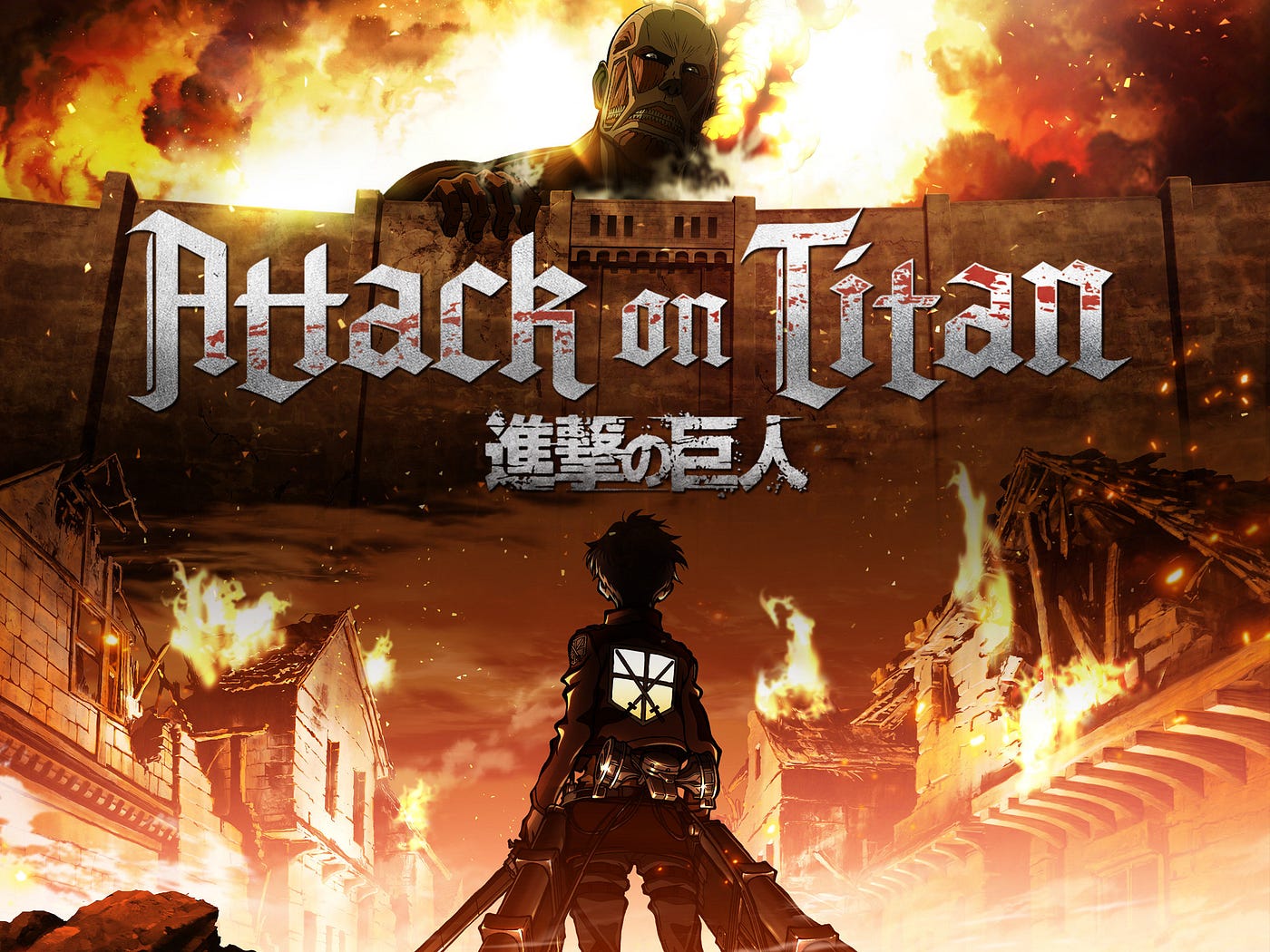
Attack on Titan stands as a titan of modern storytelling, captivating millions with its intricate world, morally ambiguous characters, and relentless unraveling of truth. If you aspire to weave a narrative of similar epic scope and emotional depth, it requires a deliberate and nuanced approach to world-building, character development, plot structure, and thematic exploration. This guide delves into the core philosophies and practical techniques to forge your own brutal, beautiful, and unforgettable saga.
1. Finding Truth in a Harsh World
At its heart, a story akin to Attack on Titan thrives on a few key storytelling tenets that transcend mere plot mechanics:
- Embrace Existential Dread: Your world should breathe a pervasive sense of fragility, where hope is a fleeting commodity and life is constantly at stake. This dread isn’t just a backdrop; it’s a character in itself, shaping every decision and consequence.
- The Engine of Revelation: The narrative should be a relentless, often shocking, unveiling of truths. Each discovery isn’t a final answer, but rather a new layer peeled back, exposing deeper mysteries, complicating understandings, and forcing characters and readers alike to re-evaluate everything they thought they knew.
- Challenge Simple Morality: Black and white cease to exist. Heroes are forced to make terrible choices with far-reaching repercussions, and villains possess deeply understandable, even sympathetic, motivations. The lines between ‘good’ and ‘evil’ are constantly blurred, often revealed to be a matter of perspective, circumstance, or historical narrative.
- Delve into Humanity’s Shadows: Don’t flinch from humanity’s darker impulses. Explore prejudice, revenge, desperation, the intoxicating allure of power, and the devastating, cyclical nature of hatred. Your story should hold a mirror to the human condition, showing both its capacity for immense cruelty and its indomitable will to survive.
2. Crafting a World Full of Secrets
A story resembling Attack on Titan demands a world that feels both expansive in its mystery and suffocating in its confines.
- The Defining Confinement: Create a central physical barrier or limitation—like the Walls—that fundamentally defines your characters’ existence. This barrier is a paradox: it offers protection but also represents imprisonment. It should be a constant, palpable reminder of an overwhelming external threat that keeps humanity trapped, physically and psychologically.
- Layers of Secrecy and Misinformation: Build your world on a foundation of hidden histories, suppressed truths, and systemic misinformation. Introduce unreliable narrators, fractured historical accounts, and propaganda disseminated by internal powers. Every revelation should initially spawn more questions than it answers, maintaining an intoxicating sense of mystery.
- The Enigmatic External Threat: Develop an enemy that is initially terrifying and incomprehensible. Gradually, painstakingly, unveil their origins, true nature, and motivations. This shifting understanding of the threat, evolving from monstrous unknown to complex antagonist, is paramount.
- Oppressive Internal Structures: Beyond the external threat, explore the corruption, rigid social hierarchies, systemic discrimination, and pervasive propaganda within your confined society. These internal conflicts can be just as, if not more, devastating than the external ones.
- Unique Combat Mechanics & Abilities: Integrate a distinctive combat system or set of abilities (e.g., ODM gear, Titan shifting) that is crucial for survival in your world. Establish clear, logical rules, limitations, and strategic applications for these powers. Their use should feel earned, tactical, and impactful, not merely flashy.
3. Characters That Grow and Change
The characters of Attack on Titan are etched into memory due to their profound complexity, shaped by trauma and evolving ideologies.
- Trauma-Driven Evolution: Your protagonists should begin with clear, often impulsive, motivations (e.g., revenge, a quest for freedom). As the stakes escalate, relentlessly show the immense psychological toll. This should lead to profound internal conflicts, moral compromises, and even transformations into figures that defy simple categorization as ‘hero’ or ‘villain.’
- Complex Core Relationships: Develop a tight-knit core group whose bonds are forged in the crucible of shared trauma. However, ensure these relationships are not idyllic; they should be rife with internal tensions, ideological clashes, and moments of betrayal and forgiveness. Their connections must feel earned, messy, and deeply human.
- Sympathetic Antagonists: Your antagonists must possess deeply rooted, often sympathetic, motivations, even if their actions are horrific. Work diligently to blur the lines between ‘hero’ and ‘villain’ by showcasing the humanity within your antagonists—their own struggles, their past traumas, and their desperate pursuit of what they believe is right.
- The Weight of Sacrifice and Loss: Do not shy away from killing major characters, regardless of their importance. This brutal reality underscores the genuine stakes and immense emotional weight of the conflict. Crucially, show the lingering, devastating impact of these losses on the surviving characters, making their ongoing journeys feel more profound and their scars more tangible.
- Embodying Thematic Depth: Ensure your characters don’t just act out the plot; they should embody different facets of your story’s main themes—be it freedom versus duty, the cost of vengeance, the nature of sacrifice, or the burden of truth. Their personal arcs should reflect the larger thematic questions you’re exploring.
4. The Unrelenting Pace of Your Story
The narrative drive of an Attack on Titan-esque story is characterized by relentless escalation and meticulously managed revelations.
- The Catalyst Catastrophe: Begin with an immediate, devastating catastrophe that instantly establishes the scale of the threat and ignites your protagonist’s core motivation. This opening should be a gut punch, hooking the reader from page one.
- Distinct, Revelatory Arcs: Organize your narrative into clear, impactful arcs. Each major arc should unveil a significant piece of the larger puzzle, progressively escalating the conflict and revealing more of your world’s hidden lore. Avoid information dumps; build suspense through carefully drip-fed truths.
- Mastering Pacing: Balance intense, visceral action sequences with periods of mystery, strategic investigation, and crucial character reflection. The ebb and flow of tension is vital. Don’t be afraid to employ sudden, shocking revelations and unpredictable plot twists to keep readers perpetually on edge and constantly re-evaluating their understanding of the story.
- Non-Linear Storytelling: Strategically utilize flashbacks, flashforwards, or time skips. These techniques can provide new context for previous events, unveil crucial past traumas or motivations, and drastically alter the reader’s perception of current events or characters. They can be powerful tools for revealing deeper layers of your world and characters.
- Ever-Expanding Scope: Ensure your threats and the overall scope of the conflict constantly grow. Move beyond initial survival to encompass political intrigue, internal coups, ideological warfare, and even global-scale conflicts. The stakes should perpetually feel higher.
5. The Moral Maze of Your Story
Beyond the action and horror, your story should grapple with profound, resonant themes that leave a lasting impact.
- The Unwavering Quest for Freedom: This is often the central, driving force, sharply contrasted with themes of duty, oppression, and confinement. Explore what freedom truly means, the price one is willing to pay for it, and whether it’s an achievable ideal in a brutal world.
- Cycles of Hatred and Vengeance: This is a cornerstone theme. Show precisely how past atrocities fuel present conflicts and perpetuate suffering across generations. Explore the devastating consequences of holding onto grievances and the difficulty, or even impossibility, of breaking these cycles.
- Humanity’s Flaws and Resilience: Delve into both the capacity for immense cruelty within humanity (prejudice, fear, manipulation) and its incredible resilience and indomitable will to survive against overwhelming odds. Show the spectrum of human behavior under extreme pressure.
- The Meaning of Sacrifice: Examine different facets of sacrifice—noble acts of selflessness versus futile losses, the sacrifice of individuality for the group, or the horrifying necessity of sacrificing innocents for a greater perceived good.
- Perspective and Truth: Critically explore how different groups or factions perceive “right” and “evil” based on their experiences, historical narratives, and circumstances. What happens when characters learn devastating truths about their world, their own history, or their identity? The burden of this knowledge and the responsibility it brings can be a powerful thematic and character-driven element.
6. Visceral Action and Dread
To capture the visceral feeling of Attack on Titan, your action and horror elements must be crafted with precision and impact.
- Dynamic, High-Stakes Combat: Choreograph action sequences that are not just fast-paced but emphasize the immense physical strain, tactical maneuvering, and inherent danger involved. Each blow, each move, should feel significant and carry weight.
- Terrifying and Unsettling Antagonists: Your external threat, especially in its initial manifestations, should be genuinely terrifying and unsettling. Integrate elements of body horror, psychological dread, and the overwhelming, almost insurmountable, nature of the threat.
- Unflinching Reality of Violence: Crucially, do not glorify violence. Instead, portray its brutal reality—the gore, the injuries, and especially the lasting psychological toll it takes on your characters. Show how violence degrades, traumatizes, and changes those who wield it and those who suffer from it.
The Author’s Approach: Foresight and Subversion
The unparalleled success of Attack on Titan is a testament to its creator’s brilliant foresight and willingness to defy expectations.
- Intricate, Long-Term Planning: There’s clear evidence of intricate plot threads, character arcs, and thematic developments planned years in advance. While not every detail needs to be mapped out, having a strong grasp of your major revelations, character destinations, and thematic conclusion from early on is invaluable.
- Subversion of Tropes: Learn to identify established genre conventions and then twist them unexpectedly. Subvert tropes to keep your audience constantly guessing, making them question their assumptions and remain utterly invested in every shocking revelation.
- Relentless Pace and Unpredictability: Maintain a narrative momentum that keeps readers turning pages, even during quieter moments. Inject an element of unpredictability into your plot, character actions, and thematic explorations. This ensures readers remain captivated and unable to foresee what comes next.
Conclusion: Forging Your Own Path to Freedom (of Storytelling)
Writing a story “like Attack on Titan” is an ambitious undertaking. It means embracing pervasive mystery, constructing a harsh yet deeply layered world, and populating it with complex characters who grapple with escalating stakes and profound moral dilemmas. It means unflinchingly exploring humanity’s darker side and the true, often devastating, cost of freedom.
By meticulously focusing on these core elements—the gradual unveiling of truths, the challenging of simple morality, the crafting of a truly immersive and brutal world, and the development of profoundly human characters—you can forge your own impactful narrative. Your story, like Attack on Titan, can resonate deeply with readers, leaving them captivated by its relentless twists, haunted by its truths, and forever changed by its exploration of the human spirit.

