
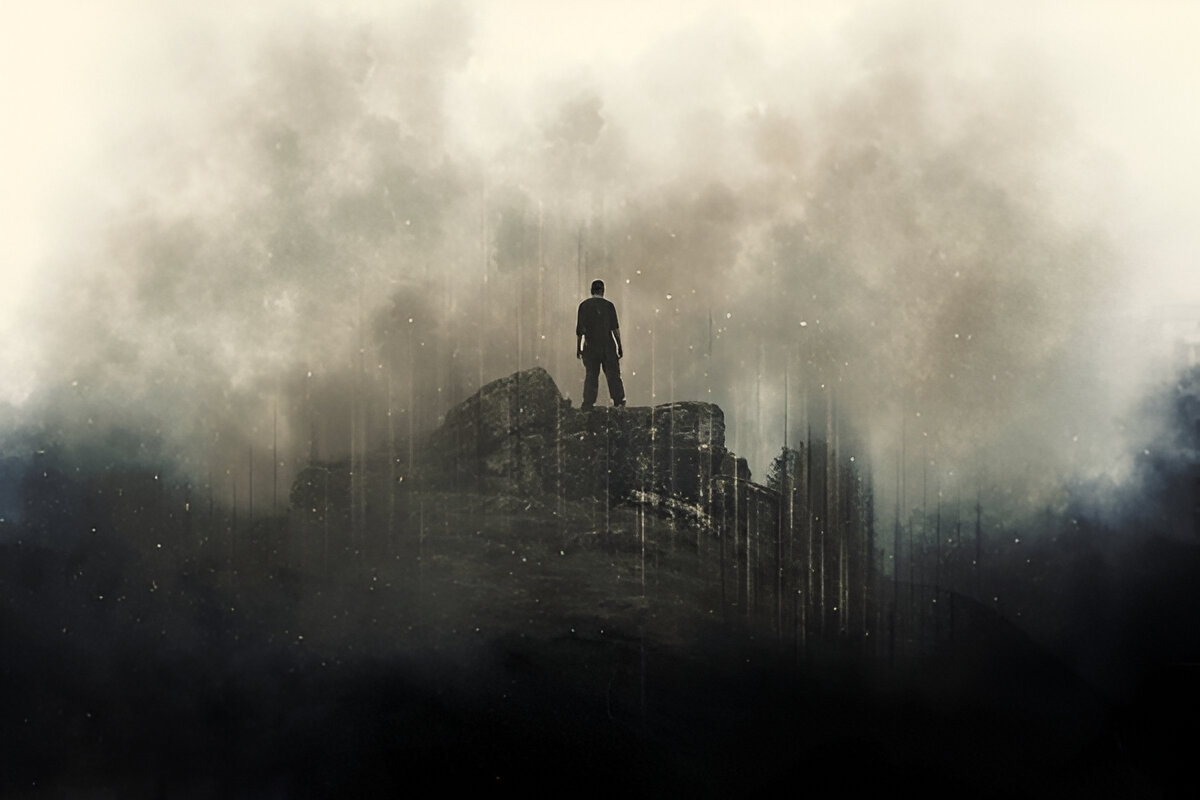
Dystopian stories, like chilling reflections in a funhouse mirror, distort our present fears into terrifying visions of the future. They delve into what happens when humanity’s pursuit of an ideal goes horribly awry, creating societies that are seemingly perfect but fundamentally oppressive.
From the stark, controlled world of George Orwell’s 1984 to the desolate survival landscapes of Cormac McCarthy’s The Road, these narratives explore the dark potential of power, technology, and human nature. If you’re compelled to construct a world where freedom is a memory and hope a scarce commodity, here’s an expanded guide to building your own terrifying future.
1. Identify Your Core Societal Flaw
Every compelling dystopia springs from a singular, exaggerated societal issue. This isn’t just a minor problem; it’s a foundational crack that, when pushed to an extreme, defines the entire oppressive system.
Consider a current societal trend or deep-seated fear and imagine its ultimate, unchecked evolution. Could it be the relentless pursuit of absolute security leading to total surveillance? Perhaps an obsession with equality that crushes individuality? Or maybe unchecked technological advancement that dehumanizes society? This core flaw, be it political extremism, environmental collapse, rampant consumerism, or genetic manipulation, must be the logical yet horrifying bedrock upon which your entire world is built. It’s the “what if” question taken to its most chilling conclusion.
2. Establish the Rules of the Oppressive System
Once your core flaw is identified, you must intricately design the machinery of oppression that stems from it. How does this flaw manifest in the daily lives of your characters?
Define the specific laws, regulations, and social norms that govern behavior. Outline the hierarchies of power, the forms of subtle or overt propaganda used to control thought, and the swift, often brutal, punishments for dissent. Is there an all-seeing government like “Big Brother,” a dominant corporation dictating every facet of existence, or a pervasive ideology that demands unwavering conformity?
Show, rather than merely state, how this system infiltrates and controls every aspect of human life, from public interactions to private thoughts and relationships. The more detailed and logical these rules are, the more terrifying and believable your world becomes.
3. Create a Seemingly “Perfect” Façade
The most unsettling dystopian narratives often present their oppressive worlds under the guise of a benevolent utopia. On the surface, citizens might appear “happy,” “safe,” “healthy,” or “equal,” living in a society free from traditional strife.
This deceptive façade makes the underlying horror far more insidious and impactful when revealed. Elaborate on the daily rituals, the omnipresent propaganda, the carefully curated media, and the forced cheerful compliance that sustain this illusion.
How does the system subtly or overtly convince its populace that this controlled existence is not only desirable but the absolute best possible way to live, shielding them from the harsh truths beneath? The contrast between this manufactured perfection and the hidden suffering is where much of the narrative’s tension resides.
4. Design Your Protagonist: The Outsider
Your protagonist is the reader’s eyes and ears within this terrifying future. They are typically an individual who, for some reason, begins to perceive the cracks in the utopian façade or questions the established order.
This awakening might stem from a unique ability, a suppressed memory, an accidental discovery, or an inherent longing for something more than what the system provides. They are not necessarily a conventional hero initially, but rather someone whose burgeoning awareness and growing disillusionment drive the narrative forward.
The story will often hinge on their internal conflict as they grapple with the truth and decide whether to conform, escape, or rebel against the overwhelming forces that govern their world. Their journey of questioning is the engine of your plot.
5. Introduce the Inciting Incident
Every powerful story needs a catalyst, and a dystopian narrative is no exception. This inciting incident is the pivotal event that shatters your protagonist’s complacency, fully reveals the system’s true nature, or pushes them into direct conflict. It’s the moment of no return.
This could be a chance encounter with a rebel, the forbidden discovery of suppressed information, a personal tragedy directly caused by the system’s cruelty, or a seemingly minor crack in the perfect world that only your protagonist notices. This event doesn’t just begin the plot; it marks the point where your character can no longer ignore the terrifying reality of their future and is compelled to act.
6. Build the World’s Logic and Consequences
Even within a horrifying future, consistency is key to believability. Delve into the practical workings of your dystopian society. How does its unique economy function? What is the prevailing technology, and how is it used for control or manipulation (e.g., advanced surveillance, genetic engineering, behavioral conditioning, mind-control devices)?
Crucially, meticulously define the consequences of defiance. What happens to those who break the rules, harbor forbidden thoughts, or attempt to rebel? Are they re-educated, exiled, executed, or made an example of? The consistent and chilling application of these repercussions makes your oppressive world feel tangible and menacing, heightening the stakes for your characters and solidifying the system’s pervasive power in the reader’s mind.
7. Develop Supporting Characters: Allies and Adversaries
Your protagonist’s journey through this terrifying future should not be a solitary one. Create a rich cast of supporting characters who interact with and illuminate different facets of your world.
Introduce allies who share the protagonist’s doubts, possess unique skills, or are actively working against the system from various angles. Each ally should have their own motivations, vulnerabilities, and the risks they face by aiding the protagonist.
Conversely, craft compelling antagonists who embody the system’s power and ideology. These could be ruthless enforcers, charismatic but sinister leaders, or even ordinary citizens who are genuinely loyal to the oppressive regime. The complex web of these relationships reveals more about your world, deepens the protagonist’s struggle, and continually raises the emotional and physical stakes.
8. Introduce Glimmers of Hope (and Crush Them)
The bleakness of a dystopian narrative becomes far more profound when contrasted with transient moments of hope. These glimmers can be small acts of defiance, the rediscovery of lost history, a fleeting moment of genuine human connection, or a whispered promise of a better world.
These moments provide emotional respite for the characters and the reader, making the fight feel worthwhile. However, a truly terrifying future often demonstrates the system’s overwhelming power by showing how easily these hopes can be extinguished, how allies can be lost, or how truths can be suppressed once more. This cycle of hope and despair underscores the pervasive nature of the oppression and makes the protagonist’s struggle feel all the more desperate and perilous.
9. Craft a Climax of Confrontation
Your story must build to a powerful climax where your protagonist directly confronts the oppressive system or its most formidable representatives. This is the ultimate test of their courage, their acquired knowledge, and their resolve.
The confrontation could take many forms: a daring escape from a high-security facility, an audacious attempt to expose the truth to the masses, a direct act of rebellion against authority, or a personal showdown with a key antagonist. The outcome doesn’t necessarily have to be a clear victory; in many classic dystopias, the ending reinforces the enduring nature of the oppressive world, leaving the reader with a chilling sense of dread, a profound moral question, or a nuanced, often bittersweet, resolution.
10. Consider the Ending: A Glimmer, a Warning, or Despair
The conclusion of a dystopian story is rarely a neat, “happily ever after.” Its power often lies in its lingering impact.
A Glimmer of Hope
The protagonist might achieve a small victory, or a seed of resistance is planted, suggesting that while the immediate fight is not won, the possibility of change remains. The system may be wounded, but not destroyed.
A Stark Warning
The protagonist might fail, or be reabsorbed into the system, or become a tragic martyr. This type of ending profoundly emphasizes the societal flaw you explored and leaves the reader with a chilling realization about the fragility of freedom or the immense difficulty of fundamental change. It serves as a powerful cautionary tale.
Uncertainty or Ambiguity
The future of the world or the protagonist remains unclear, leaving the reader to ponder the implications and the terrifying possibilities that lie ahead. This type of ending forces continued reflection.
Regardless of the chosen path, your ending should resonate deeply with the core societal flaw you established at the outset, leaving the reader with a powerful, often unsettling message about human nature, the dangers of unchecked power, or the terrifying potential consequences of societal choices.
Don’t let your ideas stay unwritten. Get a custom quote from Ghostwriting Solution.

