
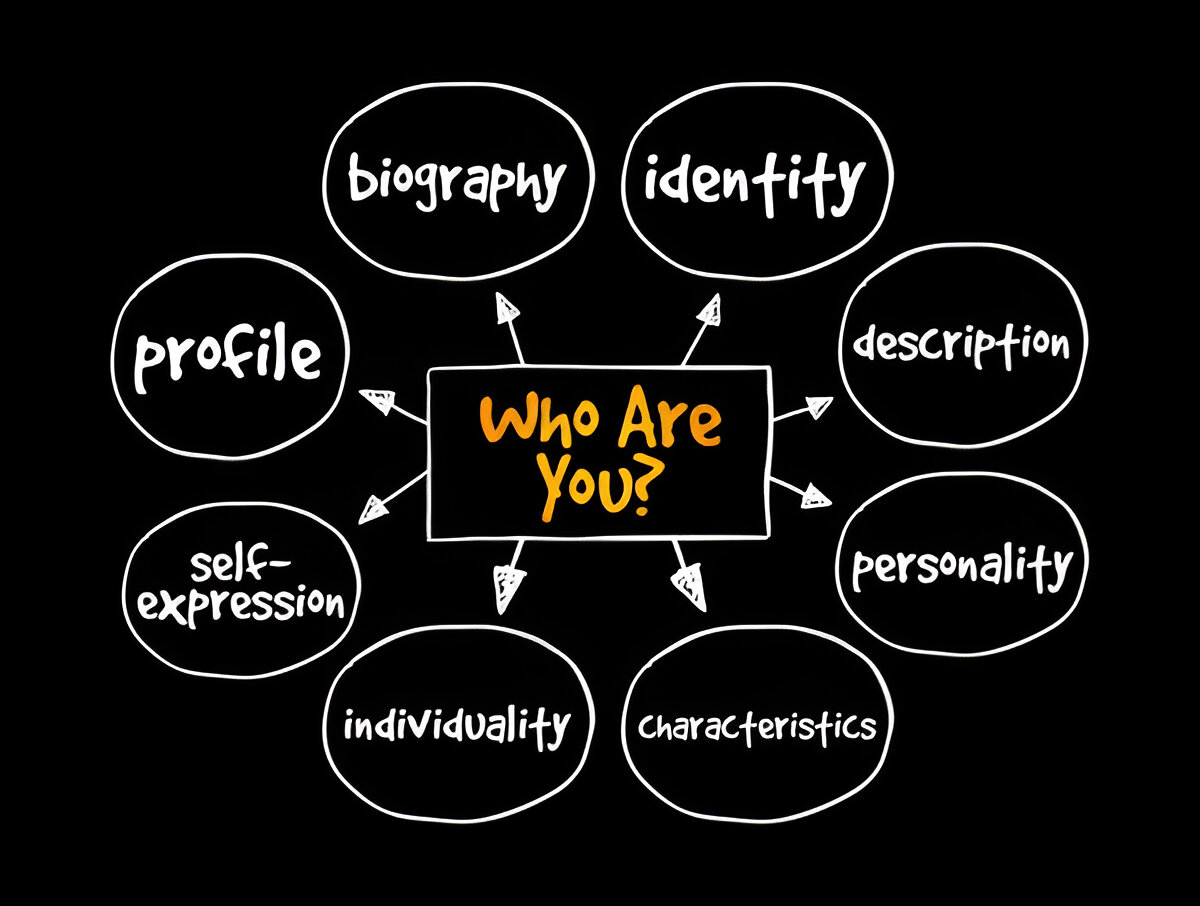
Embarking on the journey of documenting your own life story is a profoundly intimate and often transformative act. It’s a chance to step back, piece together the intricate tapestry of your experiences, and discover the hidden patterns, triumphs, and struggles that have shaped the person you are today. This isn’t just about chronicling events; it’s an act of deep self-discovery, turning the raw material of memory into a compelling personal narrative.
So, what exactly does it mean to write a biography about yourself? Fundamentally, you’re delving into either an autobiography or a memoir. An autobiography aims to cover the broad arc of your existence from birth to the present, a comprehensive chronicle of your entire journey. A memoir, on the other hand, takes a more focused approach, delving deeply into a specific period, a defining relationship, or a dominant theme that has fundamentally shaped your identity. Whichever path calls to you, the process demands courage, vulnerability, and a willingness to explore your truth. This guide will meticulously walk you through the process, from finding your “why” to polishing your unique personal narrative.
Writing a biography about yourself involves defining your purpose (healing, legacy, connection) and choosing your scope (a full autobiography of your life story or a focused memoir on a specific theme or period). Begin by excavating memories using tools like timelines and journals, then craft your personal narrative by finding your unique voice, structuring your narrative arc effectively, and showing rather than telling. Throughout this storytelling journey, navigate ethical considerations by respecting others’ privacy and embracing vulnerability responsibly, and finally, polish your work with professional editing to ensure authenticity and impact.
Why Embark on This Journey? Understanding Your Purpose
Before you even open a blank document, pause and truly consider the compelling call to document your life. What is the driving force behind this impulse to reflect?
- To Make Sense of Experience: The act of organizing memories and analyzing past events can bring clarity, understanding, and a sense of coherence to a life that might otherwise feel like a series of disconnected occurrences. It’s a powerful tool for self-discovery.
- To Leave a Legacy: For many, writing their life story is about passing on wisdom, experiences, and family history to future generations. It’s about ensuring your voice and perspective endure, leaving a tangible legacy.
- To Share Wisdom and Connect: Your experiences, even seemingly ordinary ones, hold valuable lessons. Sharing your truth can validate the experiences of others, offer comfort, or inspire individuals facing similar challenges, forging a deep connection through shared humanity.
- For Healing: Writing can be profoundly therapeutic, a way to process grief, trauma, or complex emotions by giving them form and structure. It allows you to revisit the past from a position of present strength.
Embracing authenticity is paramount when writing about yourself, and with it comes a necessary vulnerability. Opening up your past, revealing both your triumphs and your shortcomings, requires immense courage. Yet, it’s precisely this genuine self-revelation that fosters the deepest connection with readers.
Autobiography or Memoir? Defining Your Scope
What kind of story will my biography be? This is your foundational decision. Choosing between a broad sweep and a focused lens will guide all subsequent steps.
The Grand Sweep
An Autobiography This is your definitive autobiography, a chronological journey typically starting from birth, through childhood, education, career, relationships, and all the major milestones that have led you to the present day. It’s a comprehensive chronicle of your entire life story, often spanning decades and encompassing various phases of personal growth.
The Focused Lens
A Memoir If the idea of covering your entire life feels overwhelming, a memoir might be your perfect fit. A memoir is a deeply focused personal narrative that delves into a specific period (e.g., your twenties spent teaching abroad), a particular defining relationship (e.g., your bond with a unique grandparent), or a dominant theme (e.g., your journey of overcoming a specific illness, or your transformation through a pivotal career challenge). This focused approach often creates a more concentrated and impactful reading experience for both writer and reader.
Regardless of your chosen scope, identifying your core themes is essential. What overarching messages, universal truths, or life lessons do you want readers to take away from your personal narrative? What wisdom or insights resonate most powerfully throughout your experiences? These themes will provide the heart and soul of your “biography,” elevating it beyond mere chronology. Your unique perspective on these themes is what makes your story truly yours.
Excavating the Past: Gathering the Raw Material
How do I uncover my memories for my biography? Your past is a rich tapestry of experiences, emotions, and potentially forgotten details. The challenge now is to excavate these memories and transform them into the raw material of your story.
- Memory as a Minefield & Treasure Chest: Acknowledge that human memory is fallible, often subjective, and can sometimes be unreliable. Yet, it’s also a deep well of truth, emotion, and insight. Approach your memories with both curiosity and a gentle skepticism.
- Tools for Recall: Don’t rely solely on your mind. Actively engage with triggers:
- Create detailed timelines: Jot down key life events, big and small, in chronological order.
- Revisit old artifacts: Dust off old photographs, letters, postcards, school reports, yearbooks, or any tangible memorabilia. They often spark vivid recollections.
- Review journals or diaries: If you kept them, they are goldmines of contemporaneous thoughts and feelings.
- Engage with others (carefully): Have casual conversations with trusted family members or old friends to jog your memory. Their recollections can often fill gaps or offer different viewpoints (but always with careful consideration for their privacy, as we’ll discuss later).
- Focus on Sensory Details: As you recall moments, zero in on the five senses. What did that moment look, sound, smell, taste, or feel like? These specifics are crucial for bringing your scenes to life on the page.
Writing Your Narrative: Building Your Life’s Story
How do I structure and tell my biography effectively? Transforming raw memories into a compelling biography requires the tools of storytelling.
- Finding Your Narrative Arc: Like any good story, your life story needs a discernible beginning, middle, and end, even if the “end” is just your present moment. Identify the central conflicts or challenges you faced, how you changed and grew through them, the pivotal turning points or climaxes, and the eventual resolutions or lessons learned.
- Cultivating Your Unique Voice: Your voice is the distinct personality that shines through your writing. It’s what makes your biography uniquely yours. Is your voice witty, contemplative, raw, compassionate, formal, or perhaps a unique blend? Let your authentic self shine through; don’t try to mimic someone else’s style.
- Show, Don’t Tell: This is fundamental to all good storytelling. Instead of simply stating “I was heartbroken,” describe the physical sensations of grief, the setting that mirrored your despair, the actions you took (or didn’t take), and the internal thoughts that convey heartbreak. Let your experiences, detailed through scene and action, convey emotion and meaning rather than just explaining them.
- Pacing and Flow: How will you guide the reader through your life? Will it be a strict chronological march, or a more fluid structure using flashbacks or thematic chapters? Vary your sentence and paragraph lengths to control the flow, speeding up for action and slowing down for deep reflection or emotional moments. The rhythm should match the content.
- Dialogue: Bringing Voices to Life: Recreate conversations from memory or capture the general gist and essence of how people spoke. Dialogue makes scenes immediate and brings your characters (including your past self) vividly to life on the page.
Navigating the Ethical Labyrinth: Truth and Others
What ethical rules should I follow when writing my biography? Writing about yourself inevitably means writing about others who have shared your journey. This is where ethical considerations and immense sensitivity come into play.
- The Ripple Effect on Others: Your life story intersects with the lives of family, friends, colleagues, and sometimes even antagonists. While vulnerability is crucial for your truth, you must also set clear boundaries for what details you’re willing to share about others. Consider how your portrayal might impact their lives.
- Privacy and Protection: This is paramount. For individuals who are not public figures or who have not given explicit consent (especially non-abusive family members or friends), strongly consider changing names, identifying details, physical descriptions, locations, or even combining multiple minor characters into one composite. If dealing with sensitive or potentially damaging portrayals of others, consult legal advice to understand potential libel or defamation risks.
- Truth and Your Perspective: Acknowledge that human memory is fallible, and your reflection of events is your perspective. Be honest with yourself and your readers about what you recall clearly and what you may have had to reconstruct or infer (e.g., “I imagine my mother must have felt…”). An author’s note can transparently address this.
- Handling Sensitive Content: If your personal narrative involves trauma, abuse, or other highly sensitive subjects, prioritize your mental and emotional well-being above all else. Work with a therapist or counselor to process emotions as they arise. Consider engaging a sensitivity reader—someone with lived experience or expertise in that specific area—to review your manuscript. They can provide crucial feedback on authenticity, language, and how to avoid unintentional harm or triggering content.
The Polish and the Legacy: Refining Your Biography
How do I make my biography polished and ready for readers? Once the raw story is down, the true work of shaping your legacy begins.
- First Draft Freedom: For your first draft, give yourself permission to write freely without judgment. The goal is simply to get the entire personal narrative onto the page, uncensored and complete.
- The Power of Distance and Feedback: Once the first draft is complete, step away from the manuscript for weeks, or even months. This crucial break allows you to return with fresh eyes, seeing your story more objectively. Then, share your manuscript with a very select few trusted beta readers or a critique partner who understands the nuances of memoir or autobiography. They can offer invaluable insights into clarity, emotional impact, pacing, and areas that might need more development or explanation.
- Professional Editing: This is a vital investment for any book intended for wider readership. A professional editor (developmental, line, copyeditor) will help you shape your narrative arc, refine your voice, ensure clarity, eliminate grammatical errors, and elevate your autobiography or memoir to a publishable standard. Their objective eye is crucial for transforming a personal account into a compelling book.
- Considering Your Legacy: As you polish, keep your initial “why” in mind. What do you want your ultimate message to be? What mark do you want your life story to leave on the world? This clarity will guide your final revisions.
Conclusion
Writing a biography about yourself is a monumental, challenging, and ultimately deeply rewarding endeavor. It’s a journey into your past, guided by the wisdom of your present, culminating in a powerful testament to your unique human experience. By embracing vulnerability, practicing meticulous storytelling, and navigating ethical considerations with care, you don’t just write a book; you forge a profound connection, offer invaluable reflection, and leave behind a piece of your very self. Your life story is a unique gift, and it has the power to inspire, educate, and resonate deeply with countless others.

