
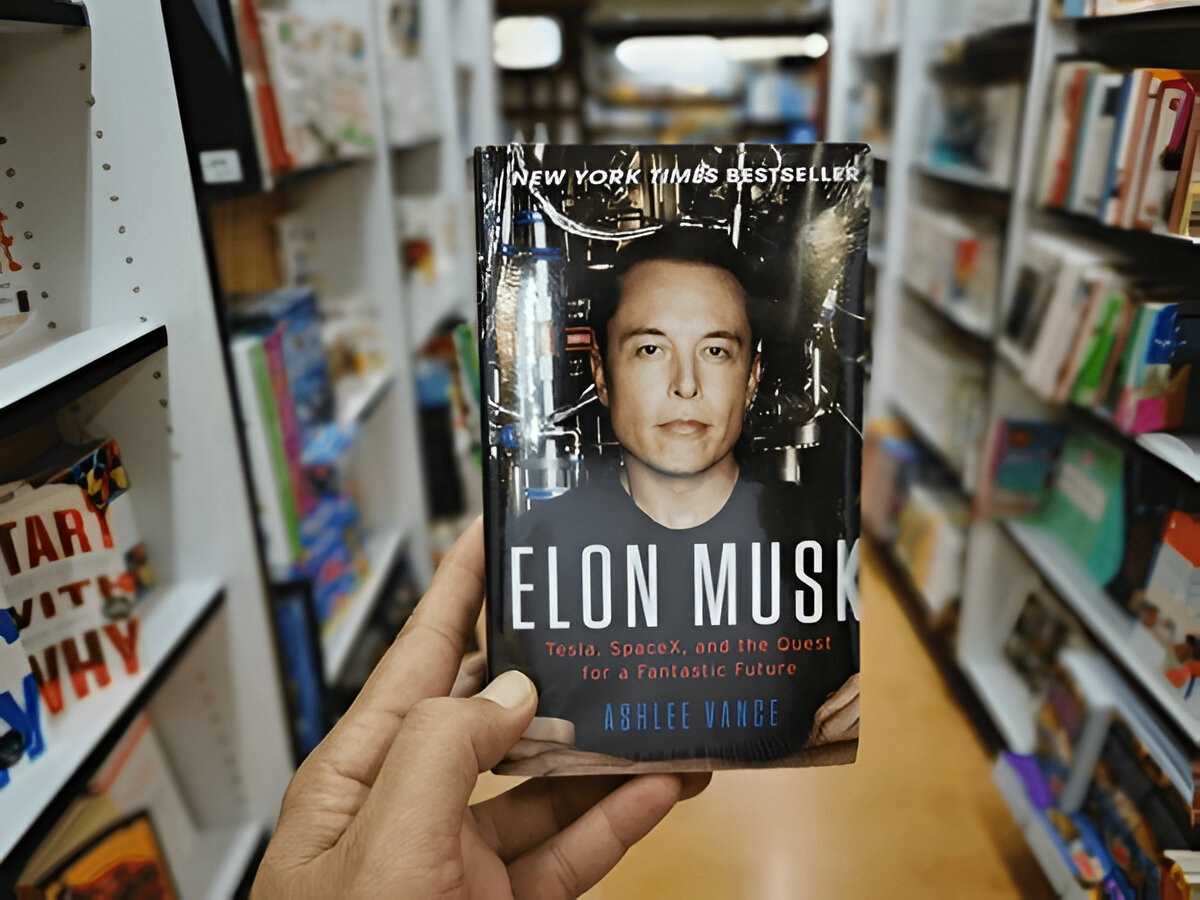
Writing a biography about a famous person presents a unique and exhilarating challenge. Unlike a deeply personal family member, your subject often has a well-documented public life story, with countless articles, books, and perhaps even films already in existence. Your task isn’t just to list facts, but to unearth fresh perspectives, reveal hidden truths, and craft a compelling narrative that stands out from existing accounts. It’s about going beyond the headlines and public persona to understand the complex individual who lived that extraordinary life.
Step 1: Choosing Your Icon (or Anti-Hero!)
The first and pivotal step is selecting your subject. For a famous person, the key isn’t just interest, but finding a compelling angle that justifies a new biography.
Start by asking yourself, “Why this famous person?” What specifically about their life, their contributions, or their controversies draws you in? Do you deeply admire their achievements, are you puzzled by aspects of their public or private life, or do you feel their complete life story hasn’t been fully or fairly told yet? While ample sources typically exist for famous figures, the challenge here is often managing potential information overload. Before diving deep, consider what unique perspective you can bring to their narrative. Will you focus on a lesser-known period of their life, offer a fresh analysis of a specific theme (like their creative process or their political impact), or attempt a complete re-evaluation of their legacy based on new information? This distinct approach will be the hallmark of your biography.
Step 2: Becoming a Master Investigator: Deep-Dive Research
How do I dig deep into the life of a famous person for their biography? This stage is about meticulous research and critical analysis of a vast amount of material.
Begin by seeking out primary sources, as these offer unfiltered glimpses into their life beyond public perception. Hunt for personal documents like letters, diaries, journals, private notes, or even unpublished manuscripts. These invaluable sources often reveal intimate thoughts and motivations. Also, delve into official records, such as legal documents, contracts, public health records (if public or permissible), or personal correspondence within institutional archives. Critically examine public records: speeches, interviews, government documents related to them, news reports, documentaries, films, music, or artworks – anything created by or about them directly.
Next, consult secondary sources. These are accounts written by others about your subject and will provide essential historical context. Read existing biographies, academic studies, critical analyses of their work or impact, and broader historical texts about their era. Understanding these existing interpretations is crucial, but don’t be afraid to challenge them with your own findings or insights gleaned from your research.
Managing the sheer volume of information for a famous person is often a significant hurdle. Utilize advanced research techniques: leverage academic databases, scour digital newspaper archives, explore specialized library collections, and identify any university or private archives that might hold unique materials related to your subject. Maintain incredibly organized notes, categorizing information by theme, time period, or major event. Always meticulously record your source for every piece of information; this is non-negotiable for fact-checking and proper citations. In fact, fact-checking must be an ongoing process; constantly verify significant details against multiple reliable sources, as discrepancies often point to interesting areas for further research.
Step 3: Crafting the Narrative: Beyond the Public Persona
Once you’ve amassed your research, it’s time to shape it into a compelling and unique biography.
Your narrative arc is paramount. Even a famous life story needs a clear beginning, middle, and end. You might choose to introduce your subject with a compelling anecdote, a pivotal moment in their public life, or an intriguing question that immediately draws the reader in. While many biographies follow a strict chronological order, a thematic approach can be powerful for a famous person, allowing you to explore different facets of their career, relationships, or beliefs in depth, tracing a specific theme or struggle throughout their entire life.
Throughout the development of their story, use vivid descriptions, powerful anecdotes, and concrete evidence from your research to show, rather than just tell, their character, motivations, and impact. Don’t just state they were “influential”; describe the specific ways they influenced others, the movements they shaped, or the pivotal events they were a part of. Seamlessly weave in the political, social, and cultural historical context of their time. How did their era shape them, and how did they, in turn, shape their era? Your conclusion should offer a thoughtful reflection on their lasting legacy, their overall impact, and perhaps a final word on their place in history, leaving the reader with a strong, memorable impression.
Step 4: Navigating Ethical Minefields: Truth and Interpretation
What ethical rules are critical when writing about a famous person? This involves a deep commitment to truth and responsible storytelling.
Accuracy is paramount above all else. Since you’re dealing with a public figure, every fact, date, and quote must be rigorously accurate. Errors can damage your credibility and even the subject’s historical legacy. Strive for a balanced portrayal. Resist the urge to overly praise (hagiography) or harshly condemn (vilify) your subject. Present their strengths and weaknesses, their triumphs and failures, their public persona, and their private struggles, as part of a complete and authentic picture.
While much of a famous person’s life is public, there are often private moments, relationships, or sensitive information that require careful handling. If information comes from private sources (e.g., unpublished letters, personal diaries), consider the ethical implications of revealing it, especially if it affects living individuals or could cause harm without clear historical necessity. Always properly cite all your sources (both primary and secondary). This is fundamental to scholarly integrity and allows readers to verify your research.
Step 5: Polishing for Impact: Refining Their Legacy
The final stage is about meticulous refinement, ensuring your biography is a compelling, credible, and truly impactful read.
When writing your first draft, focus entirely on getting your entire narrative down. Don’t worry about perfection; simply complete the full storytelling. Once your draft is complete, step away from your manuscript for a significant period—weeks or even months. This crucial break allows you to return with fresh eyes, seeing your story more objectively. Then, begin to revise for clarity, flow, coherence, and emotional impact. Does the narrative engage the reader effectively from beginning to end?
Meticulously edit and proofread your manuscript for grammar, spelling, punctuation, and awkward phrasing. Reading your work aloud can often help catch clumsy sentences or missing words. Before finalizing anything, conduct a rigorous final fact-check on all names, dates, events, and quotes against your original sources to ensure absolute accuracy. Ideally, seek peer review or feedback from scholars or experts in the subject’s field. Their insights can be invaluable for verifying facts, interpretations, and the overall quality of your biography.
Conclusion
Writing a biography about a famous person is an incredibly challenging, yet profoundly rewarding, intellectual and creative endeavor. It demands rigorous research, thoughtful storytelling, and unwavering ethical commitment to delve beyond the public facade. By bringing a fresh perspective and meticulous detail to their life story, you don’t just recount facts; you actively shape understanding, contribute to their enduring legacy, and offer readers a deeper, more nuanced portrait of an iconic figure.

