
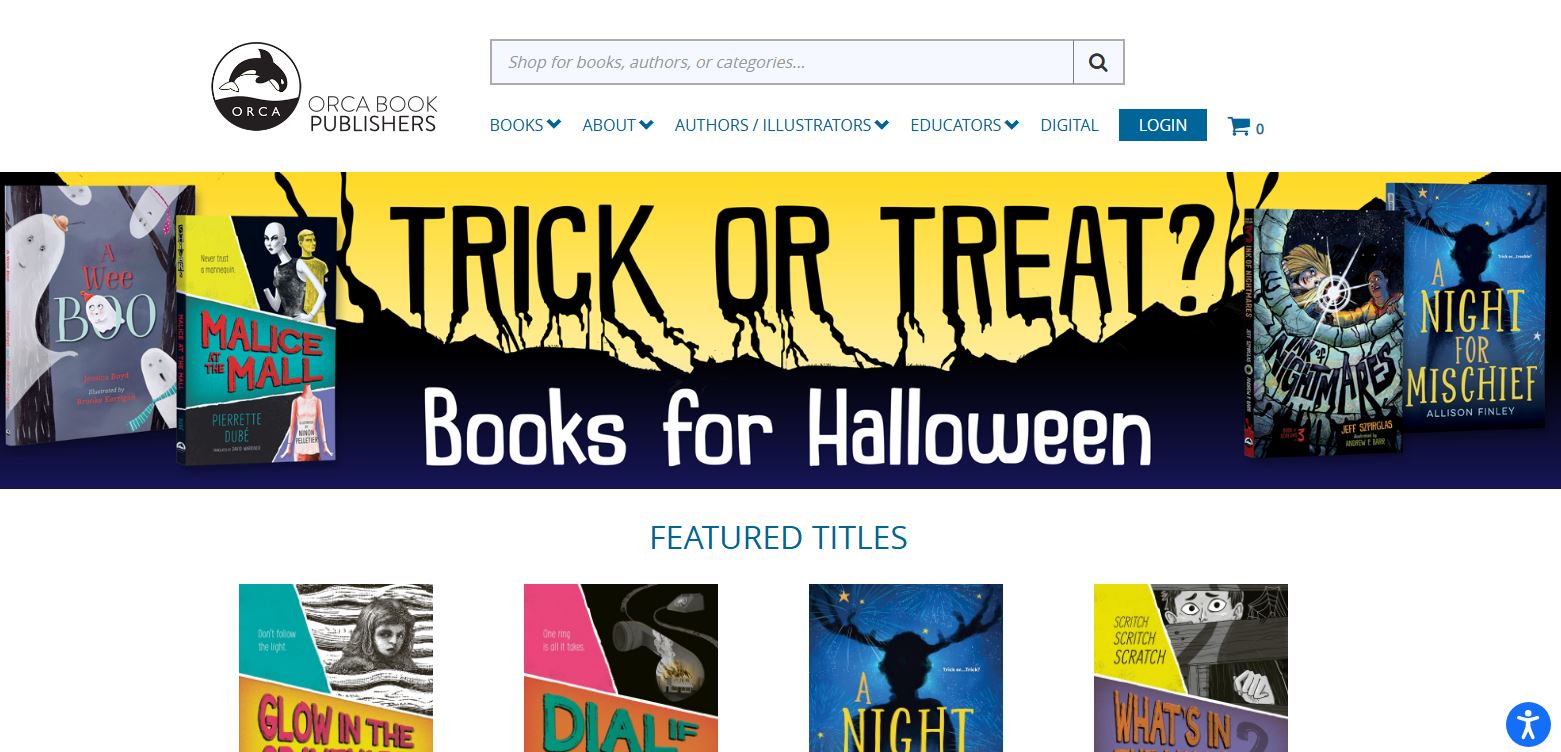
An in-depth guide to publishing with Orca Book Publishers involves a comprehensive understanding of their specific niche, stringent submission requirements, editorial preferences, and commitment to diverse Canadian voices. Founded in 1984 in Victoria, British Columbia, Orca is a leading independent Canadian children’s book publisher, specializing exclusively in literature for young readers, from board books to young adult (YA) fiction. Aspiring authors must first confirm their eligibility and then meticulously tailor their submission to align with Orca’s celebrated, diverse, and educationally resonant list.
The Orca Publishing Profile: Mission and Mandate
Orca Book Publishers is renowned for its focus on creating books that illuminate the diversity of the human experience and help young readers see themselves reflected in the stories they read. Their mandate goes beyond general children’s literature, with a strong emphasis on inclusive storytelling.
Core Publishing Interests: Diversity and Inclusivity
Orca is actively seeking manuscripts that represent a diverse range of experiences, voices, and backgrounds. This includes, but is not limited to:
- Racialized people and people of color.
- People of all genders.
- People with disabilities.
- Neurodiverse people.
- Individuals from the LGBTQ2IA community.
- Other historically marginalized populations.
- A particular interest in publishing books that celebrate the lives of Indigenous people.
Geographical Constraint: Canadian Authors Only
A non-negotiable requirement for submission is that the author must be either a Canadian citizen or a permanent resident of Canada. Orca does not consider submissions from non-Canadian authors.
The Exclusion Zone: What Orca Does Not Publish
Orca is a children’s publisher only. They explicitly do not publish the following:
- Adult works of fiction or non-fiction.
- Poetry.
The Annual Submission Process: Windows and Platform
Orca Book Publishers operates on a strict, limited submission schedule, accepting unsolicited manuscripts only during designated open calls each year. They do not accept submissions outside of these windows.
Annual Submission Periods
Orca typically invites submissions during two annual submission periods:
- February
- August
For example, if the current submission period is closed, the next open call would likely be in February of the following year. Authors must check the official Orca or CanSubmit guidelines close to these months for the exact dates, as the system will only be open during that time.
The CanSubmit Platform Requirement
All submissions must be made digitally through the CanSubmit platform. Orca strictly states that they do not accept submissions by email, mail, or fax.
- Create an account on CanSubmit.
- Start a New Submission with Orca Book Publishers.
Submission Package Components (The Universal Requirements)
Regardless of the genre, every submission to Orca must include a standard set of professional materials uploaded via CanSubmit.
Cover Letter
The cover letter is your professional introduction and a succinct pitch for your work. It should include:
- A brief summary of your book.
- A clear explanation of how the book fits with Orca’s publishing program and mandate (referencing their commitment to diversity, specific series, or market niche).
- Your contact information.
- A short biography of yourself, including your Canadian citizenship/residency status.
- Any relevant publication history.
Manuscript/Sample Chapters
The required document type will vary by genre (see Section 4), but the preferred file formats are Word or PDF.
Multiple Submission Disclosure
Orca is open to multiple submissions (simultaneous submissions) but asks that you indicate if your submission is a multiple submission. You are also required to notify them immediately if your project is accepted for publication elsewhere.
Response Policy
Due to the high volume of submissions, Orca is unable to respond to each submission individually. Editorial feedback or comments will not be provided unless they are actively considering your submission for publication.
Genre-Specific Submission Requirements
Orca publishes across the full spectrum of children’s and young adult literature, and the submission requirements differ significantly based on the target age group and genre.
Board Books (Ages 0–24 Months)
Board books require an extremely succinct and focused submission.
- Requirement: Submit complete manuscripts.
- Text/Word Count: Manuscripts should have minimal text.
- Art/Illustration: Do not include art unless you are a professional illustrator.
- Attention: Submit to the attention of Sarah Howden.
Picture Books (Ages 3–8)
Orca is looking for exceptional storytelling in this category.
- Requirement: Submit complete manuscripts.
- Word Count: Picture book manuscripts should typically be 1,500 words or less.
- Content Focus: They seek “Good stories, well told.” The emphasis should be on credible characters, an engaging plot, and strong writing. Any moral, lesson, or message should be secondary and well-disguised within the narrative. The point of view must invite the child reader into the story.
- Series Note: Even if you’ve written a series, send only one submission. Sequels are rarely published unless the first book is exceptionally successful.
- Art/Illustration: Do not include art unless you are a professional illustrator. If you are working with an illustrator, you may include samples of their work and any finished art (copies only).
- Attention: Submit to the attention of Sarah Howden.
Middle-Grade (MG) and Young Adult (YA) Fiction (Ages 9–12 and 12+)
While the exact submission requirements for standard MG and YA fiction (outside of their high-interest/low-reading level series) are not fully detailed in the publicly available snippets, authors should prepare a query or sample:
- General Fiction (Non-Hi-Lo): Query with a synopsis and sample chapters is often preferred over a complete manuscript. Authors should submit a cover letter, a short (100–200 words) synopsis, and a chapter-by-chapter outline.
High-Interest / Low-Reading Level (Hi-Lo) Series
This category is a major part of Orca’s identity, providing accessible reading material for striving and reluctant readers. Submissions in this niche must adhere to strict reading-level and interest-level requirements.
- Hi-Lo Content Focus: Novels should be high-interest with compelling characters, gripping storylines, and contemporary themes. Protagonists in the teen series should typically be between 14 and 17 years old, appealing, and believable, reflecting universal struggles young people face. The stories must focus on action and an engaging plot rather than being overly didactic.
- Attention: Submit hi-lo submissions to the attention of Gabrielle Prendergast.
Nonfiction
Orca’s nonfiction program spans different age groups and has a specific series brand, “Orca Issues” (introduced in 2019).
- Content Focus: They seek unique projects with broad appeal to young North American readers. Material must be age-appropriate.
Key Editorial and Acquisition Personnel
While submissions are routed through CanSubmit, directing the proposal to the correct editor ensures it lands in the right acquisition queue. The following personnel have been listed with their areas of focus:
The Role of Literary Agents
While Orca Book Publishers accepts unsolicited submissions directly during their open windows, working with a literary agent, particularly one specializing in Canadian children’s literature, can be highly beneficial.
Why an Agent is Advantageous:
- Market Knowledge: Agents know the market and can ensure your manuscript aligns perfectly with Orca’s current needs, potentially securing a faster or more favorable response.
- Contract Negotiation: Agents handle all contract and financial negotiations, ensuring you receive competitive terms.
- Professional Polish: An agent will often provide editorial feedback before submission, ensuring the manuscript is in the best possible shape.
Finding a Canadian Children’s Literary Agent
Because Orca only publishes Canadian authors, seeking agents based in Canada or those with a dedicated Canadian list is essential. Agents who specialize in children’s and YA literature, and who have a track record of selling to major Canadian publishers like Orca, Annick Press, Kids Can Press, or Second Story Press, are the best targets. Unfortunately, the available snippets do not directly name agents who specifically work with Orca, so targeted research on Canadian literary agencies is a necessary step for this route.
7. Understanding Orca’s Hi-Lo Series (A Deeper Dive)
The success of Orca’s high-interest/low-reading level (Hi-Lo) series is central to their mission, aiming to engage reluctant readers with age-appropriate, exciting content written at an accessible reading level.
Series Examples and Focus
Orca’s Hi-Lo program is divided by age and format:
Examples of Recent Hi-Lo Titles
The high-interest nature of these books often covers contemporary, and sometimes sensitive, themes:
- Cheat Code: A high school senior is blackmailed by a superintelligent AI.
- Airlock: A nonbinary teen must rescue a spaceship crew after sneaking aboard.
- Sugar Crash: A diabetic teen races against time and low insulin after a car accident.
- Baby Drag Queen: A seventeen-year-old secretly enters a drag performance contest.
- Checked Out: A queer seventh-grader stands up to a classmate sabotaging a Pride display.
- Shoot the Moon: A teen fears their depressed father is planning suicide and chases after him.
Educational Appeal
Orca’s commitment to educators is evident in the fact that almost all their Hi-Lo series titles come with free, downloadable Teacher’s Guides. These guides include elements like pre-reading ideas, discussion questions, curriculum connections, and author biographies, underscoring the strong appeal of these titles to the school and library market.
8. Final Checklist for a Successful Orca Submission
To maximize your chances of success, treat the submission process as a professional venture requiring meticulous preparation.
- Verify Eligibility: Are you a Canadian citizen or permanent resident? (Essential)
- Understand the Mandate: Does your story actively contribute to diversity, inclusivity, and representation for young readers?
- Confirm Open Window: Is the submission period currently open (February or August)? The most recent information indicates the next submission period after the current closure may be February 2026.
- Use CanSubmit: Have you created an account and prepared to submit only through the online portal?
- Select Correct Genre: Are you submitting for Board Book, Picture Book, Hi-Lo, or Nonfiction?
- Match Submission to Genre: Have you included the correct length/components (Complete manuscript vs. Query/Synopsis/Sample Chapters)?
- Address the Correct Editor: Is the submission addressed to the correct acquisition editor for that genre (Sarah Howden, Gabrielle Prendergast, or Jenna Campbell)?
- Professional Polish: Is your manuscript clean, error-free, and formatted appropriately? Is your cover letter concise and professional?
By aligning your manuscript with Orca’s diverse and educationally focused publishing program and adhering strictly to their specific guidelines, you demonstrate the necessary professionalism and understanding of their brand to stand out from the high volume of annual submissions.

