
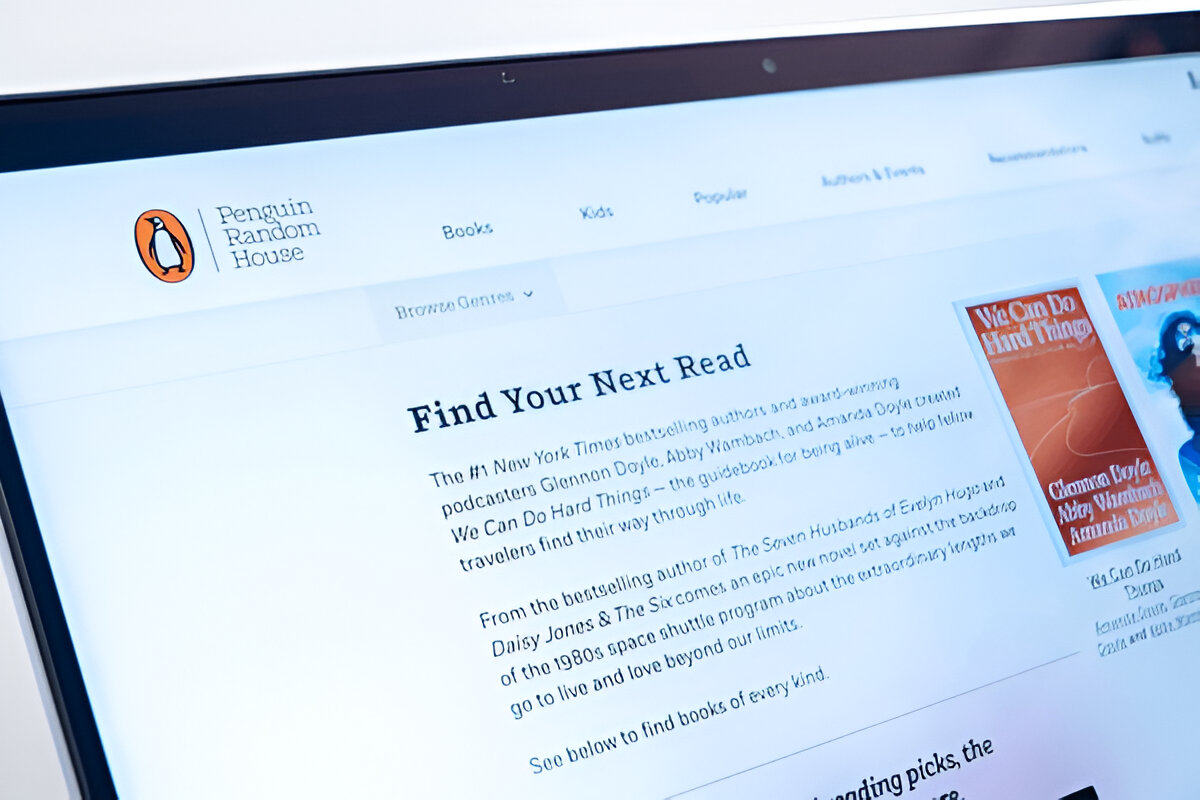
Getting a book deal with Penguin Random House (PRH)—the largest “Big Five” publisher in the world—is often seen as the gold standard for authors. With iconic imprints like Knopf, Viking, Ballantine, and Doubleday under its umbrella, PRH has the marketing power to turn a debut manuscript into a global bestseller.
However, the gates to this publishing giant are heavily guarded. PRH generally does not accept unsolicited manuscripts directly from authors. To get your foot in the door, you need a combination of a polished manuscript, a strategic platform, and a professional literary agent.
1. Understanding the Penguin Random House Ecosystem
Before you submit anything, you must understand that Penguin Random House is not one single office. It is a massive collection of over 300 independent imprints. Each imprint has its own specific taste, editorial team, and “vibe.”
-
Literary Imprints: If you write high-brow, award-leaning fiction, you might target Knopf or Riverhead.
-
Commercial/Genre Imprints: If you write thrillers, romance, or sci-fi, Ballantine or Del Rey are the heavy hitters.
-
Nonfiction/Memoir: Crown or Viking often handles prestige narrative nonfiction and biographies.
The First Step: Research the books on your own shelf. Look at the copyright page or the spine to see which imprint published the books most similar to yours. This helps you identify the “home” for your work.
2. The Golden Rule: You Need a Literary Agent
For 99% of writers, the path to PRH starts with finding a literary agent. PRH editors almost exclusively work with agents they trust. An agent acts as a filter, ensuring that only high-quality, market-ready work reaches the editor’s desk.
How to Find the Right Agent
Don’t just query any agent. You need an agent who has a track record of selling to the “Big Five.”
-
Use Databases: Sites like QueryTracker and Publishers Marketplace are essential. Look for agents who represent authors in your specific genre.
-
The Acknowledgments Page: Open books published by PRH that are similar to yours. Authors almost always thank their agents in the back. Write those names down.
Crafting the Query Letter
Your query letter is a one-page sales pitch. It must include:
-
The Hook: A 1-2 sentence “elevator pitch” that grabs attention.
-
The Mini-Synopsis: A summary of the plot and the emotional stakes.
-
Metadata: Title, genre, and word count (usually 80,000–100,000 for debut fiction).
-
Author Bio: Mention your writing credentials, awards, or “platform” (social media following, relevant expertise).
3. Developing a “High-Concept” Manuscript
Penguin Random House looks for books that have commercial viability and literary merit. For a debut novel to get noticed, it often needs to be “high-concept”—an idea that can be explained in one sentence and immediately sounds like a movie or a bestseller.
The Importance of Editing
By the time an agent sends your book to a PRH editor, it should be in its fourth or fifth draft.
-
Self-Editing: Use tools and read your work aloud to find pacing issues.
-
Beta Readers: Get feedback from people who are not your friends or family.
-
Professional Editing: While not always required before getting an agent, many successful authors hire a freelance editor to ensure the manuscript is “submission-ready.”
4. The Nonfiction Path: The Book Proposal
If you are writing nonfiction, you do not need to finish the entire book before approaching an agent or PRH. Instead, you need a Book Proposal. This is a business plan for your book.
A standard PRH-level proposal includes:
-
Overview: Why does this book need to exist now?
-
Target Audience: Who will buy this? (Be specific).
-
Competitive Analysis: List 5–7 similar books published in the last 3 years and explain how yours is different.
-
Author Bio/Platform: Why are you the only person who can write this? Do you have a large following or “authority” in this field?
-
Chapter Outline: A brief summary of every chapter.
-
Sample Chapters: Usually, the first 2–3 chapters to prove you can actually write.
5. Exceptions: How to Submit Without an Agent
While rare, there are “backdoor” ways to get into Penguin Random House without an agent. These opportunities are usually limited to specific imprints or diverse voices.
Open Submission Windows
Certain imprints occasionally hold “Open Submissions” for a few days. For example:
-
The Berkley Open Submission Program: Periodically accepts unagented submissions in specific genres like Romance, Thriller, and Sci-Fi to encourage diverse voices.
-
DAW Books: Historically accepted unagented science fiction and fantasy, though they are now part of Astra (formerly PRH), their submission policies change often.
Writing Prizes and Mentorships
PRH often sponsors prizes that come with a publishing contract as the grand prize.
-
The WriteNow Program (UK): A program designed to find and publish underrepresented voices.
-
#Merky Books: Stormzy’s imprint at PRH UK often holds open calls for new writers.
6. The “Submissions” Journey (What Happens Behind the Scenes)
Once your agent “goes out on sub,” the waiting game begins. Here is what happens inside the PRH offices:
The Editor’s Read
An editor at an imprint receives your manuscript from your agent. If they love it, they don’t just buy it immediately. They have to convince their team.
The Editorial Board
The editor takes your book to an Editorial Board meeting. They pitch it to the publisher, the marketing team, and the sales team. They look at “comparable titles” (comps) to see how similar books have sold. If the sales team thinks they can sell 50,000 copies, they give the editor the “green light” to make an offer.
The Auction
If multiple publishers (like PRH, HarperCollins, and Simon & Schuster) all want your book, your agent will hold an auction. This is the best-case scenario for an author, as it drives up the “advance” (the upfront money paid to the author).
7. Strategic Keywords for Success
To rank well in the minds of editors and on the digital shelves of the future, your book needs to fit into “marketable” categories. Use these semantic concepts when pitching:
| Concept | What it Means for PRH |
| Comp Titles | Books published in the last 2-3 years that share your audience. |
| Author Platform | Your ability to reach readers directly via email, social, or media. |
| Market Saturation | Whether the market is already “full” of books like yours. |
| Hook/Premise | The unique selling point that makes your book stand out. |
| Voice | The specific “sound” of your writing that feels fresh and new. |
8. Avoiding Common Pitfalls
Many authors sabotage their chances before they even begin. Avoid these mistakes:
-
Querying Too Early: If you send a “first draft,” you will be rejected. You only get one shot with each agent and imprint.
-
Ignoring Guidelines: Every agent and open window has strict rules (e.g., “PDF only,” “Double-spaced”). Follow them perfectly.
-
Lack of Research: Sending a middle-grade fantasy novel to an imprint that only publishes gritty true crime is a fast way to get blacklisted.
-
AI Usage: PRH and most major agents have strict policies against manuscripts generated by AI. They are looking for human voice and original creativity.
9. Final Tips: Building Your “Brand”
Even before you have a book deal, you should act like a PRH author.
-
Professional Website: Have a clean, simple landing page with your bio and links to any published short stories or articles.
-
Networking: Attend writers’ conferences like AWP or ThrillerFest. Agents and editors often attend these to scout for new talent.
-
Patience: The average “overnight success” in traditional publishing usually takes 5 to 10 years of writing, querying, and rejection.
Getting published by Penguin Random House is a mountain, but thousands of people climb it every year. By focusing on your craft, finding a stellar agent, and understanding the business of imprints, you put yourself in the best position to see that famous penguin logo on your own book.
Ready to See Your Name on a Penguin Random House Spine?
The journey from a finished draft to a major book deal is paved with meticulous editing. Penguin Random House editors only look for “submission-ready” manuscripts that demonstrate world-class pacing, voice, and marketability.
Don’t let a great story get rejected because of a lack of polish. Our Boutique Editing & Ghostwriting Solutions specialize in preparing authors for the traditional publishing elite.
How We Help You Bridge the Gap:
-
Developmental Editing: We refine your “high-concept” hook and tighten your narrative arc to meet Big Five standards.
-
Line Editing: We polish your prose to ensure your unique voice shines through every sentence.
-
Submission Package Prep: We help you craft the perfect query letter and synopsis to catch the eye of top-tier literary agents.
-
Ghostwriting Partnerships: Have the vision but not the time? We’ll write the manuscript for you, maintaining total anonymity and your specific tone.
Don’t leave your publishing dreams to chance. Give your manuscript the professional edge it deserves.

