
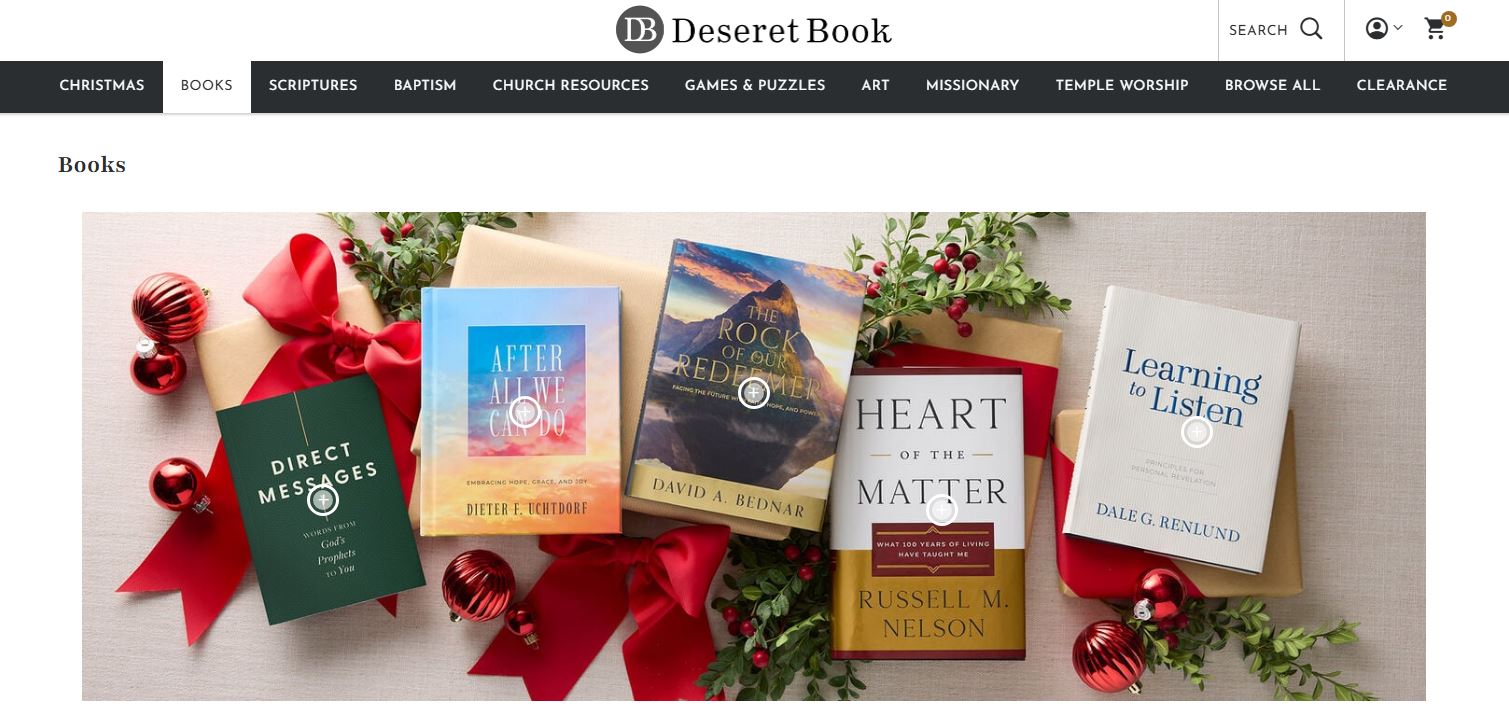
For many writers within the Latter-day Saint community, seeing their name on a spine nestled between the works of Sheri Dew or Gerald Lund is the ultimate dream. Deseret Book isn’t just a bookstore; it is the premier gatekeeper and powerhouse of LDS literature and media.
Whether you have written a deeply personal memoir about faith, a scholarly deep-dive into the Restoration, or a “clean” fiction novel intended for a national audience, understanding how to navigate the Deseret Book publishing world is essential.
This guide will break down everything you need to know about the costs, the submission process, and the strategic moves you need to make to go from a Word document to a published author.
The Landscape: Deseret Book vs. Shadow Mountain
Before you send an email or lick a stamp, you must understand the two main “flavors” of publishing under the Deseret Book umbrella.
1. Deseret Book (The Core Brand)
This imprint serves as the primary hub for the specific cultural and denominational market it represents. The content focuses heavily on internal theology, organizational history, and lifestyle topics tailored to its core membership. If your manuscript maintains a high standard of institutional worthiness and focuses on the unique community experience and values of the faith, this is the appropriate home for your work.
2. Shadow Mountain Publishing
Shadow Mountain is the “national” arm. While it maintains a “clean” standard (no graphic violence, profanity, or explicit content), the books are not necessarily religious. This is the imprint that launched mega-hits like Fablehaven by Brandon Mull. If your book is a fantasy novel, a cookbook, or a historical romance that anyone—LDS or not—could enjoy, Shadow Mountain is the target.
The Reality of Costs: Is It Free to Publish?
One of the most common questions aspiring authors ask is: “How much does it cost to publish with Deseret Book?”
The Traditional Route
If Deseret Book or Shadow Mountain accepts your manuscript for traditional publishing, it costs you zero dollars upfront. In fact, they pay you.
In a traditional setup, the publisher takes on all the financial risk. They pay for:
- Professional editing (developmental, copyediting, and proofreading).
- Cover design and interior layout.
- Printing and manufacturing.
- Distribution to retail stores.
- Initial marketing and catalog placement.
In exchange for taking this risk, they keep the lion’s share of the book’s sales revenue, paying you a royalty (usually ranging from 8% to 15% of the wholesale or retail price, depending on the contract).
The Hidden Costs for Authors
While the publisher covers the production, authors often incur personal costs to get “publish-ready.” These include:
- Professional Editing: Many authors hire an independent editor to polish their manuscript before submitting it to ensure it isn’t rejected immediately.
- Platform Building: In today’s world, you need a following. You might spend money on a website, social media marketing, or speaking engagements to prove to Deseret Book that you have an audience.
- Purchasing Your Own Books: While you get a few free copies, you will likely want to buy your own books at a discount to sell at speaking events or give to influencers.
The Submission Process: Step-by-Step
Deseret Book does not accept every manuscript that lands on their desk. In fact, they are highly selective. Here is how to navigate the gauntlet.
Step 1: The Query Letter and Proposal
Don’t just send your whole book. Deseret Book prefers a formal submission packet. This usually includes:
- A Cover Letter: Introduce yourself and briefly explain what the book is and why it fits their brand.
- A Chapter Outline: A brief summary of every chapter.
- The Target Audience: Who is going to buy this? Be specific. “Everyone” is not a specific enough answer.
- Market Analysis: List 3–5 similar books and explain how yours is different or better.
- Author Bio: Highlight your expertise. If you’re writing about Church history, do you have a degree? If you’re writing fiction, have you won awards?
Step 2: Sample Chapters
Usually, they request the first three chapters. These need to be your absolute best work. Ensure they are formatted in standard manuscript format: 12pt Times New Roman, double-spaced, with one-inch margins.
Step 3: The Review Committee
Once you submit (usually via their online portal or through an agent), your work goes to an acquisitions editor. If they like it, they take it to a committee. This committee looks at the “bottom line.” They ask: Can we sell enough copies of this to make a profit?
Step 4: The Contract Offer
If the committee gives a “thumbs up,” you will receive a contract. This will outline your royalty rates, your advance (if any), and the rights the publisher is buying (print, digital, audio, etc.).
The “Complete Author Guide” to Success
Getting published isn’t just about writing a good book; it’s about being a good partner.
1. Know the Values
Deseret Book has a strict set of values. Even for Shadow Mountain, the content must be “clean.” If your protagonist uses heavy profanity or the themes are overly dark without a redemptive arc, it will be a “no” regardless of how well-written it is.
2. Focus on “The Gap”
Before you write, look at the shelves of a Deseret Book store. What is missing? Is there a lack of resources for LDS parents of teenagers? Is there a specific era of Church history that hasn’t been covered in fiction? Filling a “gap” in their inventory makes you much more attractive to the acquisitions team.
3. Build a “Platform”
Publishers today want authors who bring their own “megaphone.” If you have 10,000 Instagram followers, a popular blog, or a regular speaking circuit, you are a much lower risk for the publisher. They know you can help drive the initial sales.
4. Be Patient
The publishing world moves at a snail’s pace. It can take 3 to 6 months to hear back on a submission, and even after a contract is signed, it may be 12 to 18 months before your book actually hits the shelves.
Marketing and Retail: Life After the Launch
Once your book is published, the work is only half done. Deseret Book has a powerful marketing machine, including:
- The “Bookshelf” App: Their digital reading platform.
- Email Newsletters: Reaching hundreds of thousands of customers.
- Retail Placement: Physical displays in stores across Utah, Idaho, and Arizona.
However, the most successful authors are those who act as their own PR agents. You should be prepared to do book signings, podcast interviews, and social media takeovers. Deseret Book loves authors who are “low maintenance and high impact.”
Frequently Asked Questions (FAQs)
How to submit a manuscript to Deseret Book for the first time?
To submit for the first time, visit the official Deseret Book or Shadow Mountain website and look for the “Submissions” link in the footer. You will typically use an online form to upload your query letter, marketing plan, and sample chapters. It is highly recommended to have a finished manuscript before submitting, even if they only ask for the first few chapters initially.
What are the royalty rates for LDS authors at Shadow Mountain?
While specific contracts vary, standard royalty rates usually fall between 8% and 12% for hardcover books and slightly less for paperbacks. These percentages are often based on the “net receipts” (the money the publisher actually receives after bookstore discounts) rather than the retail cover price.
Do I need a literary agent to publish with Deseret Book?
No, you do not need an agent to submit to Deseret Book or Shadow Mountain. They are one of the few large publishers that still accept “unsolicited” manuscripts (meaning submissions sent directly by the author). However, having an agent can help in negotiating better contract terms and ensuring your manuscript gets a faster look.
What is the Deseret Book submission guidelines for children’s books?
Children’s book submissions require a full manuscript (since they are short) and, if you are an illustrator, a portfolio of your work. If you are just a writer, do not hire an illustrator beforehand; Deseret Book prefers to pair writers with illustrators from their own vetted pool to ensure the style matches their brand.
Can I self-publish and still get my book into Deseret Book stores?
Yes, but it is difficult. Deseret Book has a “Consignment” program or a “Direct Buy” program for independent authors. Your book must meet their high standards for editing and cover design. They usually require the book to be distributed through wholesalers like Ingram or Baker & Taylor.
How long does the Deseret Book editorial process take?
Once a manuscript is accepted, the editorial process usually takes 6 to 9 months. This includes multiple rounds of revisions, from high-level structural changes to final line edits. The goal is to ensure the book aligns perfectly with the brand’s voice and quality standards.
Does Deseret Book publish books by non-LDS authors?
Yes, particularly through the Shadow Mountain imprint. They look for “clean” content that aligns with general family values. Many of their national bestselling fiction authors are not members of the LDS faith but appreciate the publisher’s commitment to wholesome, high-quality storytelling.
Final Thoughts
Publishing with Deseret Book is a partnership. They provide the platform, the prestige, and the distribution, while you provide the voice, the vision, and the heart.
If you are serious about this path, treat your submission like a professional business proposal. Study the market, polish your prose until it shines, and build a community around your message. With the right mix of faith, hard work, and timing, you might just see your book on those iconic green shelves.

