
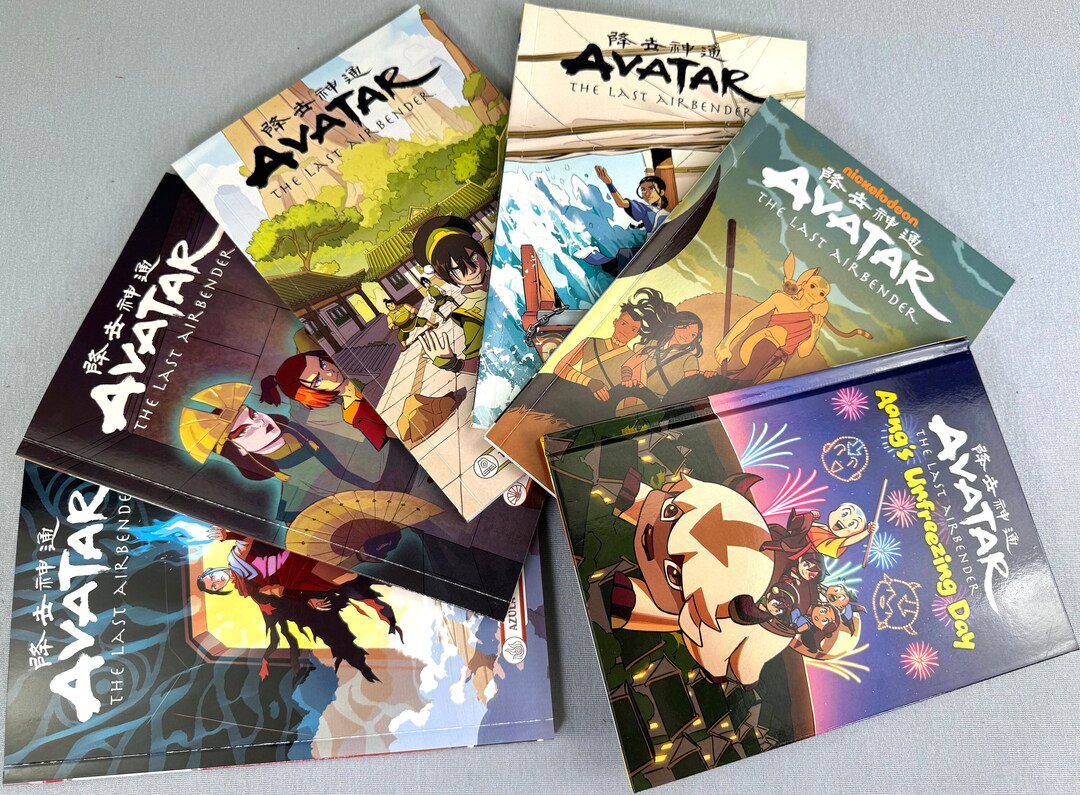
Avatar: The Last Airbender isn’t just a beloved animated series; it’s a masterclass in storytelling that captivated millions. It seamlessly blends profound themes, complex characters, and a vibrantly imagined world. If you dream of crafting a narrative with similar depth, emotional resonance, and universal appeal, you’re aiming for a high bar – but it’s an achievable one with the right structural approach.
Let’s dissect the genius behind ATLA to equip you with a blueprint for your own compelling narrative.
1. What’s the Core Conflict & Hero Archetype for an ATLA-style Story?
To resonate like Avatar, your story needs a clear central crisis and a unique protagonist destined to address it.
ATLA’s core conflict is the disruption of global balance by an aggressor, countered by a reluctant, unique “chosen one” (the Avatar) who must master powers and overcome internal struggles to restore harmony.
The “Imbalance” Principle: Defining the Stakes and Setting
Start by meticulously defining the harmonious state of your world – its fundamental forces, philosophical pillars, or political structures when they exist in equilibrium. What does true balance look, feel, and even sound like? For ATLA, this was the peaceful coexistence of the four nations, each living according to its elemental philosophy. Then, introduce a powerful, insidious force that shatters this equilibrium. This imbalance can manifest as overt war (like the Fire Nation’s century-long campaign), environmental devastation, spiritual decay, or pervasive societal oppression. The key is that the threat is not just to a single character, but to the very fabric of existence, creating profound, high stakes that resonate throughout the narrative.
The Reluctant Chosen One: Burden, Power, and Personality
Your protagonist should be uniquely positioned to confront and ultimately restore this balance. This might mean they are the last of their kind, possess extraordinary, rare abilities, or carry a heavy ancestral legacy. However, their defining trait should be an initial reluctance to embrace this destiny. This isn’t just a plot device; it’s a deep character struggle. Why are they reluctant? Fear of failure, a desire for personal freedom, the overwhelming weight of expectation, or even a past trauma that makes them doubt their capabilities. Aang’s flight from responsibility and subsequent guilt over the Air Nomad Genocide is a powerful example. Their personal journey of overcoming this reluctance and accepting their role becomes intrinsically tied to the global conflict, making the narrative deeply personal.
2. How Do You Build a World as Immersive as the Four Nations?
ATLA’s world feels vast and alive because its cultures are intrinsically linked to its core magic system and rich history.
ATLA builds immersion through distinct, philosophically resonant elemental cultures (Water, Earth, Fire, Air), a well-defined magic system with clear rules and sub-abilities, and a deep historical lore including past conflicts and spiritual elements.
Your “Elements” & Their Philosophy: The Magic-Culture Nexus
Your magic or power system should be more than just cool abilities; it needs to be deeply interwoven with your world’s philosophies and societies. For each distinct power, define its core principles and how those principles influence the people who wield it. How does Waterbending reflect adaptability and healing, not just physically but philosophically? How does Earthbending embody steadfastness and resilience? Detail the rules of your system: what are its strengths, weaknesses, common uses, and rare, advanced sub-skills (like Metalbending, Bloodbending, or Spiritbending)? This depth prevents your magic from feeling arbitrary and allows for organic character development as they master their craft.
Cultivating Diverse & Authentic Cultures
Each major faction or nation in your world should feel like a living, breathing society. Develop unique traditions, architectural styles, clothing, social hierarchies, governance, and even culinary preferences. Consider how their elemental philosophy dictates their martial arts forms, their approach to conflict resolution, and their core values. For example, the Earth Kingdom’s grounded pragmatism contrasts sharply with the Fire Nation’s disciplined, meritocratic (and aggressive) industrialism. Show, don’t just tell, these cultural differences through character interactions and environmental details.
Weaving in Rich History & Lore: The Weight of the Past
A compelling world has a past that informs its present. What ancient conflicts, alliances, or cataclysms shaped the current state of imbalance? Are there forgotten legends, prophecies, or sacred texts that guide or foreshadow events? Introduce elements of a spiritual realm or mystical plane that interacts with the physical world, offering characters guidance, challenges, or deeper understanding of their reality. The Spirit World in ATLA isn’t just a backdrop; it’s a source of profound lessons, ancient wisdom, and powerful consequences that directly impact the physical world.
3. How Do ATLA’s Characters Drive Its Powerful Narrative?
ATLA’s characters are its soul, undergoing profound transformations and forming powerful, believable bonds.
ATLA features a reluctant, growing protagonist, a diverse “found family” core team with individual arcs, complex, nuanced antagonists (often with redemption potential), and a wise, often humorous mentor figure.
The Reluctant Hero’s Evolution: A Journey of Self-Discovery
Your hero’s journey is not linear. Aang’s arc isn’t just about mastering all four elements; it’s about accepting the mantle of the Avatar, confronting the trauma of his past, forgiving himself, and ultimately finding a path to peace that doesn’t sacrifice his core values. Show their failures, moments of despair, and eventual triumphs. Their emotional and philosophical growth should be as central as their power development, often fueled by their interactions with others.
Building Your Dynamic Core Team: The Power of Found Family
Surround your hero with a carefully curated core team. Each member should bring distinct skills (both powered and non-powered), unique personalities, and often contrasting worldviews. Sokka provides strategic thinking and comic relief; Katara offers compassion and healing; Toph brings grounded power and a fresh perspective. Their dynamic interactions, playful banter, and profound mutual support are what make “Team Avatar” so beloved. Emphasize their “found family” bond – how they choose to protect and support each other, creating a sense of belonging amidst global chaos. Each team member should also have their own compelling subplot that contributes to the larger narrative and showcases their individual growth.
Designing Nuanced Antagonists: The Appeal of Complexity
Avoid one-dimensional villains. Characters like Zuko, Azula, and even Ozai are memorable because they possess complex motivations, internal conflicts, and understandable (though misguided) desires. Zuko’s relentless pursuit of honor and redemption, Azula’s hunger for control and perfection, and Ozai’s belief in his divine right to rule all make them more than just obstacles. This complexity allows for compelling redemption arcs, tragic falls, or even moments of unexpected empathy that challenge the audience’s perceptions of good and evil.
The Wisdom of a Mentor: Guiding Light in Darkness
Introduce a mentor figure who offers more than just combat training. Like Uncle Iroh, they should provide profound philosophical insights, emotional support, and often unexpected humor. Their own complex past, filled with triumphs and regrets, can add immense depth to their wisdom, making them a grounding force for your protagonist amidst their struggles.
4. How Do You Structure a Plot Like ATLA’s: Balanced & Purposeful?
ATLA excels at blending a clear overarching quest with engaging, meaningful episodic adventures that always push the story forward.
ATLA’s plot uses an overarching, high-stakes quest broken into thematic “books” or seasons, with episodic adventures that serve character growth, world exploration, or skill acquisition, maintaining a balance of humor and serious emotional depth.
The Grand Overarching Quest: Your Story’s North Star
Establish a singular, high-stakes objective that provides a constant direction for your entire narrative. For Aang, it was to defeat the Fire Lord before Sozin’s Comet returned. This overarching goal isn’t just a destination; it’s a guiding star that provides context and urgency to every smaller adventure. Ensure its stakes are clear and that its ultimate success or failure will dramatically alter the world.
Purposeful Episodic Adventures: Beyond “Filler”
Every single episode or chapter in your story should serve a clear purpose within the larger narrative. These smaller adventures are rarely true “filler.” They might:
- Advance Character Development: Force a character to confront a flaw, learn a new emotional truth, or deepen their relationships.
- Expand World Exploration: Introduce new locations, cultures, or historical details, enriching the audience’s understanding of your world.
- Facilitate Skill Acquisition: Allow the protagonist to learn new abilities, refine old ones, or overcome a specific training challenge crucial for the ultimate confrontation.
- Build Relationships: Test and strengthen the bonds within your core team, or forge new alliances with supporting characters.
- Foreshadow Future Events: Introduce elements, characters, or conflicts that will become more significant later in the narrative.
- Explore Themes: Present a moral dilemma or a mini-narrative that reflects the larger themes of your story.
Mastering Emotional & Tonal Balance: The Art of the Rollercoaster
ATLA’s unique charm comes from its seamless, often surprising, transitions between lighthearted humor and profoundly serious, emotional moments. This balance prevents audience fatigue from constant high tension. Use witty banter, character quirks, and comedic relief to provide necessary breathing room. However, be unafraid to dive into moments of genuine grief, fear, trauma, or moral ambiguity when the story demands emotional depth. The contrast makes both the humor funnier and the serious moments hit harder.
5. What Core Themes Should a Powerful Story Explore, Like ATLA?
ATLA delves into nuanced themes, adding layers of meaning beyond a simple fight between good and evil.
ATLA explores themes of balance (internal, external), the horrors of war & path to peace, redemption & forgiveness, identity & belonging, and the interplay of destiny vs. choice.
- Balance & Harmony (Internal, External, Spiritual): This is ATLA’s central philosophical concept. Explore not just the elemental balance, but also internal character balance (e.g., Aang embracing his earthly side), political balance (between nations), and spiritual balance (between the human and spirit worlds). Show what happens when balance is lost and the difficult, often painful, journey to restore it.
- The Horrors of War & The Path to Peace: Go beyond simplistic portrayals of conflict. Show the devastating human cost of war (displacement, trauma, propaganda), the cycle of violence it perpetuates, and the immense difficulty of achieving true, lasting peace, not just military victory.
- Redemption & Forgiveness: This is a cornerstone of ATLA’s emotional core. Can people change? Is forgiveness always possible, and what does it truly mean to earn it? Zuko’s long, arduous path from antagonist to ally is a masterclass in this theme.
- Identity & Belonging: Explore characters’ struggles with who they are (e.g., Aang as the Avatar, Zuko’s search for honor), where they fit in the world, and challenging societal or familial expectations to forge their own path.
- Destiny vs. Choice: How much agency do your characters truly have in their grand quest? Are they merely fulfilling a prophecy, or are their choices and sacrifices what truly define their journey and its outcome?
- Spirituality & Connection: The presence of a spiritual dimension allows for exploration of larger philosophical questions about life, death, purpose, and the interconnectedness of all things. It can provide guidance, challenges, and a deeper understanding of the world’s underlying forces.
Key Takeaways for Your ATLA-Inspired Story
- Show, Don’t Tell: Immerse your audience through vivid descriptions, character actions, and authentic dialogue, letting them experience the story directly rather than just narrating events.
- Internal & External Conflict: Ensure your characters face both grand challenges in the world around them and profound struggles within themselves. Both are vital for compelling growth and character depth.
- Character-Driven Plot: The narrative should be propelled by your characters’ decisions, transformations, and relationships. Their flaws, desires, and evolving bonds are what truly drive the story forward, not just a series of disconnected events.
- Symbolism: Utilize your “elements,” distinct colors, unique creatures, or recurring motifs to embed deeper layers of meaning and thematic resonance throughout your narrative.
- Allow for Growth: Give your characters the necessary time to learn, fail, make mistakes, and mature authentically over the course of their long and arduous journey. Rushed development feels unearned.
- The Power of Found Family: Emphasize the strong, often unconventional bonds that form between your diverse cast. These characters, who choose to support each other through thick and thin, create a powerful core of unity, emotional support, and belonging within the chaos of their world.
Crafting a story with the depth and impact of Avatar: The Last Airbender is a challenging yet incredibly rewarding endeavor. By focusing on these fundamental pillars – a compelling core conflict, rich world-building, nuanced characters, a purposeful plot structure, and a balanced tone – you can begin to build your own masterpiece. What aspect of your story are you most excited to develop first?

