
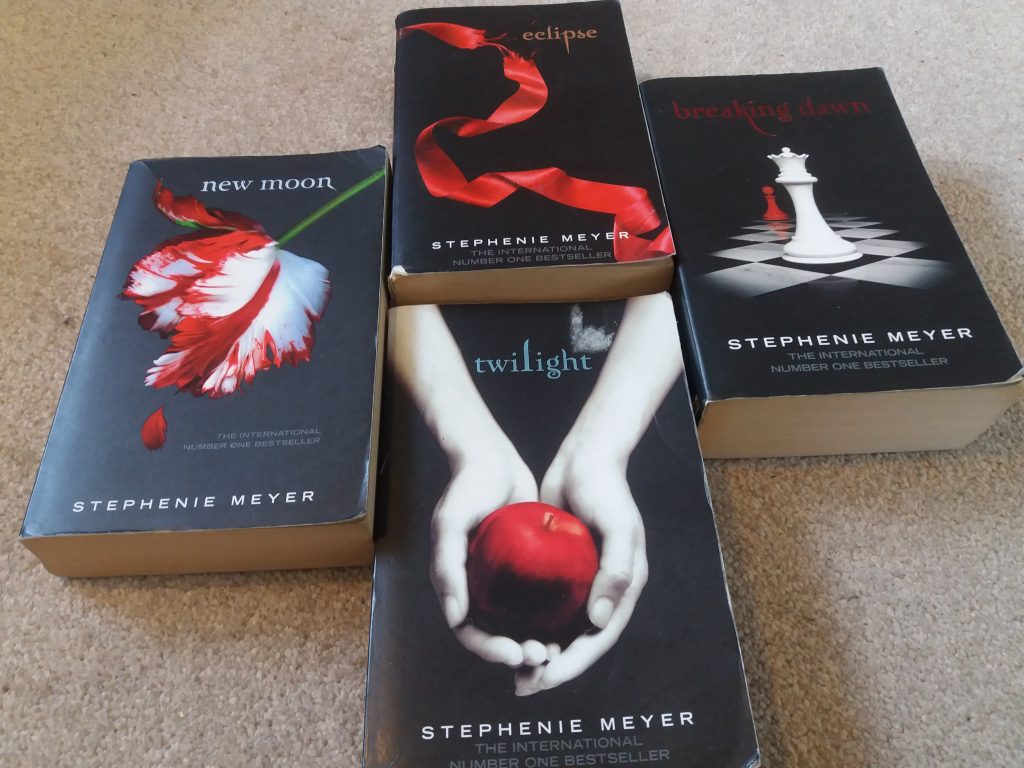
Twilight. The name alone evokes images of brooding vampires, angsty teenagers, and an all-consuming, forbidden love. Stephenie Meyer’s wildly successful series captivated millions, launching a pop culture phenomenon and dominating the young adult (YA) paranormal romance genre for over a decade. If you’re aspiring to write a book that captures a similar magic – that blend of intense romance, fantastical elements, and relatable adolescent yearning – you need to understand the core ingredients that made Twilight sparkle.
This isn’t about copying the plot or characters (please don’t!), but dissecting the underlying principles that resonated so deeply with its audience. Let’s break down how to craft a novel with the undeniable allure of a Twilight-esque saga.
Understanding the Twilight Appeal: What Made It a Phenomenon?
Before you start writing, understand why readers flocked to Forks:
- The Ultimate Forbidden Romance: At its heart, Twilight is a love story between a mortal girl and a vampire. The inherent danger, the “will they/won’t they,” and the life-or-death stakes elevate the romance to an almost mythic level.
- Relatable Protagonist: Bella Swan, though clumsy and ordinary, became an avatar for millions of readers who fantasized about being swept into an extraordinary world by an extraordinary being.
- Unique (and Controversial) Paranormal Lore: Meyer twisted traditional vampire mythology (sparkling in the sun, not burning; feeding on animals) and introduced shapeshifting werewolves, creating fresh stakes and rivalries.
- Intense Emotionality & Internal Monologue: The books are steeped in Bella’s feelings, fears, and desires. Readers are privy to her every thought, making the romance deeply personal and immediate.
- Escapism and Wish Fulfillment: For many, Twilight offered a world where mundane life transformed into a thrilling, dangerous, and deeply romantic adventure.
Core Elements to Deconstruct and Rebuild for Your Story
To write a book like Twilight, you need to understand its structural and thematic DNA:
1. The High-Stakes, Forbidden Romance
- The Central Conflict: This is paramount. Your romance must feel dangerous, challenging, and worth fighting for. What makes it forbidden? Is it different species, rival families, opposing destinies, or a moral dilemma?
- Intense Connection: The emotional and physical pull between your protagonists must be palpable. It’s about longing glances, charged touches, and an almost spiritual connection that transcends logic.
- Slow Burn (with Explosive Moments): The initial attraction should build, with moments of undeniable chemistry punctuated by external obstacles that keep them apart.
2. The “Ordinary Protagonist in an Extraordinary World” Trope
- Relatability: Your main character (MC) needs to be someone readers can easily put themselves in. They might be a bit awkward, new to a town, or simply feel “different.”
- Reactive vs. Proactive (Initially): Like Bella, your MC might initially be more reactive, pulled into the supernatural world rather than actively seeking it. Their journey is one of discovery.
- The Reader’s Entry Point: The MC’s perspective is how the fantastical elements are slowly revealed, making the world-building digestible and exciting.
3. Unique Paranormal Creatures & Lore
- Your Own Twist: Don’t just copy vampires and werewolves. Invent your own supernatural beings, or take existing ones and give them fresh, unexpected rules and characteristics.
- Internal Consistency: Whatever rules you create for your creatures (their powers, weaknesses, origins, society), stick to them rigorously.
- Integration with the Plot: Your creatures’ existence should directly impact the romance and the larger conflict.
4. Atmospheric Setting
- Isolation & Mood: Forks’ constant rain and small-town isolation enhanced the mysterious, slightly melancholic vibe. Choose a setting that amplifies the mood of your story.
- Sensory Details: Describe the smells, sounds, sights, and even the feel of the environment to immerse the reader.
5. Emotion, Angst, and Internal Monologue
- Deep Dive into Feelings: Your MC’s internal thoughts and feelings should be a dominant part of the narrative. Readers want to experience the emotional rollercoaster with them.
- Angst is King: Embrace the heightened emotions of adolescence – the longing, the insecurity, the passion, the despair. This resonates strongly with YA audiences.
6. Pacing & Plot Structure
- Focused Narrative: The first Twilight book is surprisingly focused on the romance and the immediate threat. Avoid too many sprawling subplots initially.
- Escalating Stakes: Start with emotional stakes, then introduce physical danger that directly threatens the relationship or the protagonist’s life.
- Cliffhangers: End chapters or sections on moments of suspense to keep readers turning pages.
Step-by-Step: How to Write Your Twilight-Inspired Novel
Step 1: Develop Your Core Concept: The Forbidden Love
- Who are your lovers? Define your protagonist (the ordinary one) and your alluring, extraordinary love interest.
- What makes their love forbidden/challenging? Brainstorm unique obstacles. Is it about species, societal norms, prophecies, or a clash of worlds? This “forbidden” element is the hook.
- What is the core tension? What does the extraordinary love interest risk by being with the ordinary protagonist? What does the ordinary protagonist risk?
Step 2: Create Your Relatable Protagonist
- Give them an “ordinary” background: Where are they coming from? What’s their mundane life like before it gets turned upside down?
- Focus on internal traits: What are their insecurities, quirks, hopes, and fears? Readers connect with vulnerability.
- Allow for transformation: While they start ordinary, they should grow in strength and understanding as they navigate the extraordinary world.
Step 3: Invent Your Supernatural Elements (Beyond Vamps & Werewolves)
- Brainstorm unique powers/abilities: If you use existing creatures, give them a unique twist. Do your vampires sparkle? No. Do they have other weaknesses? Can your werewolves shift only under certain conditions?
- Develop a mythology: Where did they come from? How do they live? What are their rules, their history, their society?
- Define their relationship with humanity: Are they hidden? Are they feared? Do they hunt?
Step 4: Build Your Evocative Setting
- Choose a distinct location: A small, isolated town, a dense forest, a remote island, an ancient city – pick a place that contributes to the mood.
- Research and visualize: Make the setting feel real and immersive through sensory details. Does the air smell of pine and rain, or salt and decay?
Step 5: Master the Internal Monologue and Emotional Intensity
- First-Person POV: Twilight is told from Bella’s perspective. This allows for deep dives into her thoughts and feelings. Consider if this POV works for your story.
- Show, Don’t Just Tell Feelings: Instead of saying “she was scared,” describe her racing heart, clammy hands, or the knot in her stomach.
- Embrace the Angst: Don’t shy away from heightened emotional responses, especially concerning the romance. The longing, the jealousy, the fear of loss – these are key.
Step 6: Craft Your Alluring (and Dangerous) Love Interest
- Mysterious and Dangerous: Make them an enigma. What secrets do they hold? What makes them dangerous, yet irresistibly attractive?
- Protective Instincts: This was a huge draw for Edward. Your love interest should have a strong desire to protect the protagonist, even from themselves.
- Compelling Flaws: They shouldn’t be perfect. Give them internal struggles, dark pasts, or vulnerabilities that make them more human (or inhuman, in an interesting way).
- Beyond the Sparkle: What is unique about your love interest that makes them stand out?
Step 7: Introduce Conflict Beyond the Romance
While the romance is central, external conflicts are necessary to drive the plot.
- External Threat: A villain who targets the protagonist or the love interest’s family.
- Rival Love Interest: The “love triangle” is a common trope in YA. If you use one, ensure it adds genuine tension and character development, not just manufactured drama.
- Internal Conflict: The protagonist’s struggle with their own feelings, fears, or the consequences of their choices.
- Societal/Family Conflict: The rules of the supernatural world or the love interest’s family that forbid the relationship.
Step 8: Outline Your Plot with Escalating Stakes
- Inciting Incident: How does the ordinary protagonist encounter the extraordinary world/love interest?
- Rising Action: A series of events where the relationship deepens, new supernatural elements are revealed, and threats emerge.
- Climax: The ultimate confrontation that tests the love, the characters, and resolves the primary conflict of the book.
- Resolution: The aftermath, leaving room for future books if it’s a series.
Step 9: Write with Pace and Engagement
- Keep Chapters Focused: Don’t let chapters drag. Each one should move the plot or relationship forward.
- End on Cliffhangers: Many chapters in Twilight end on a moment of suspense or emotional intensity, compelling the reader to continue.
- Balance Description and Action: Ensure there’s enough detail to immerse the reader without slowing down the story too much.
Step 10: Embrace the “Comfort Read” Aspect
Twilight became a comfort read for many. This often means delivering on genre expectations, providing satisfying romantic moments, and allowing readers to immerse themselves deeply in the emotional world. While you’re innovating, remember the core desires of the target audience for this genre.
Crucial Things to AVOID (To Make Your Book Your Own)
- Direct Character Copies: Don’t write Bella, Edward, or Jacob. Create your own distinct personalities.
- Identical Lore: Resist the urge to simply reskin sparkling vampires or full-moon werewolves. Your creatures need their own unique rules and origins.
- Shallow Development: While Twilight had its critics, its core emotional appeal was strong. Ensure your characters, even if archetypal, have depth beyond their initial description.
- Over-reliance on Tropes without a Twist: If you use a love triangle, make it genuinely impactful and not just a repetitive trope.
Your Journey Begins Now
Writing a book like Twilight means tapping into the potent blend of young love, dangerous fantasy, and raw emotion. It’s about crafting an immersive experience where the mundane collides with the magical, and where the heart’s desires face extraordinary challenges. By understanding the elements that made its predecessor a sensation and infusing them with your own unique creativity, you can create a compelling paranormal romance that will sweep your readers off their feet.

