
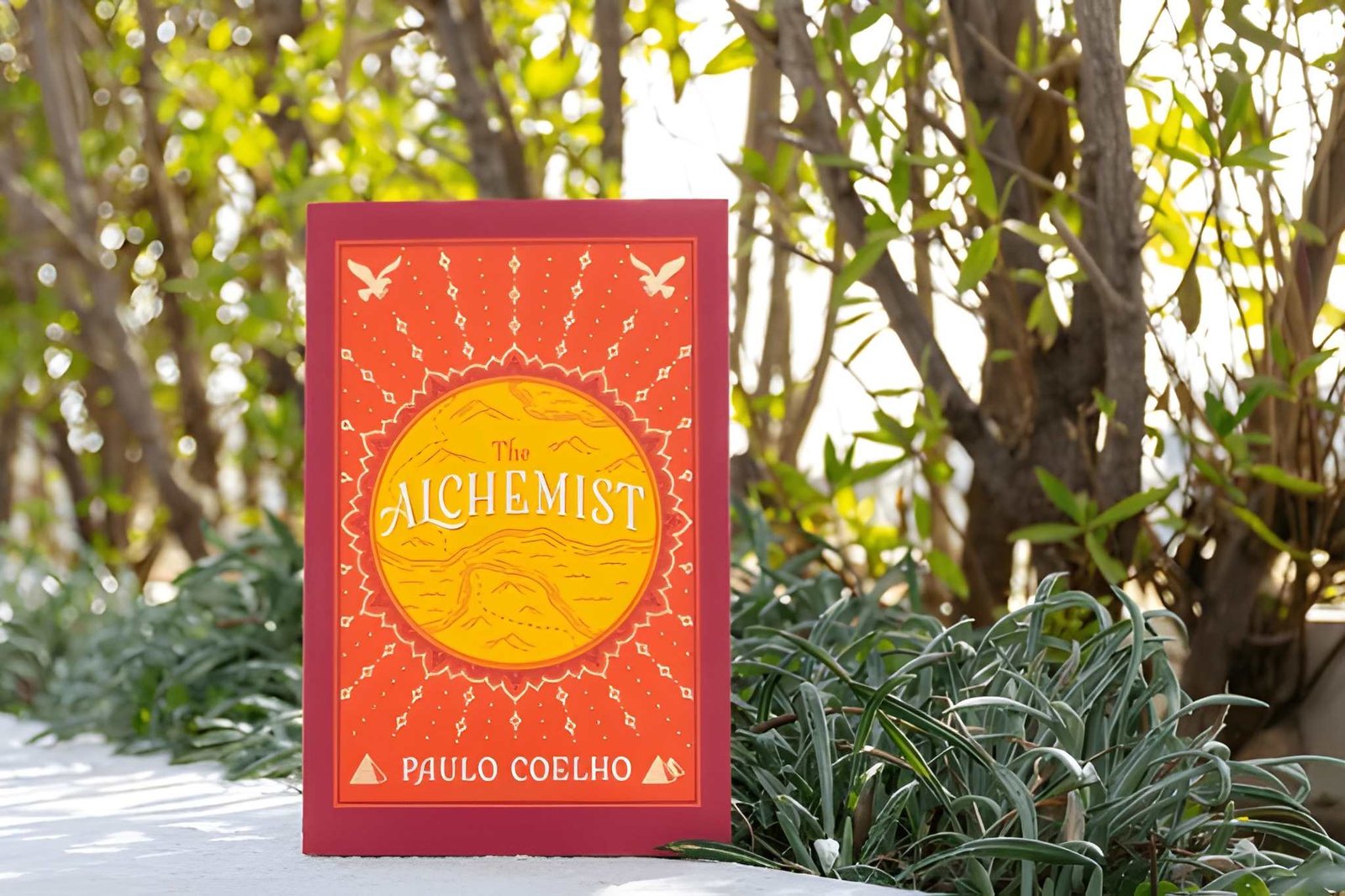
Paulo Coelho’s The Alchemist has sold over 150 million copies worldwide. It’s been translated into 80 languages. It’s one of the most read books in human history.
And yet — the story is simple. A shepherd boy travels across the desert to find treasure. That’s it.
So why does it resonate so deeply? And more importantly — how do you write a book that captures that same magic?
The answer isn’t about copying Coelho’s plot. It’s about understanding why his approach works and applying those principles to your own story. This guide breaks down the core elements that make The Alchemist work — and shows you how to use them in your own writing.
Start With a Universal Theme
The Alchemist works because its theme is universal: following your dream despite fear, doubt, and obstacles. Every human being on earth relates to that struggle. It doesn’t matter where you live, what language you speak, or what your dream looks like. The feeling is the same.
Before you write a single word, ask yourself: what is the one universal truth my book is about?
Not the plot. Not the characters. The truth underneath everything.
Some examples of universal themes:
- The cost of ignoring your calling
- Learning to trust yourself after failure
- Finding meaning in loss
- The tension between safety and growth
- Love as a force that transforms
Pick one theme. Just one. Then build everything around it.
Books that try to say everything end up saying nothing. The Alchemist says one thing — follow your Personal Legend — and says it so clearly that millions of people feel like the book was written specifically for them.
Create a Simple Plot With Deep Meaning
Here’s what The Alchemist doesn’t have: complicated subplots, dozens of characters, or a twist ending. The plot is linear. A boy leaves home, travels, meets people, learns lessons, and arrives at his destination.
That simplicity is intentional. Coelho strips the story down so the meaning can breathe.
When you’re writing your book, resist the urge to overcomplicate. Ask yourself:
- Can I describe my plot in two sentences?
- Does every scene serve the theme?
- Am I adding complexity because the story needs it — or because I think it should be there?
Simple doesn’t mean shallow. It means focused. Every event in The Alchemist teaches Santiago something about his journey. Nothing is wasted. If a scene doesn’t serve the theme, it doesn’t belong.
Writing tip: Outline your story as a journey — literal or metaphorical. A character starts in one place (physically, emotionally, or both), encounters challenges that test them, and arrives somewhere new. That arc is ancient, universal, and powerful.
Write Characters That Represent Ideas
Santiago isn’t just a shepherd. He’s every person who has a dream but hasn’t chased it yet.
The Alchemist isn’t just a wise man. He’s the mentor who appears when you’re ready to learn.
Fatima isn’t just a love interest. She’s the part of life that tempts you to stop pursuing your purpose.
Coelho writes characters as symbols. Each person Santiago meets represents a force, a lesson, or a stage of the journey. They feel real enough to care about, but they also carry meaning beyond themselves.
You can do the same in your book:
- Give each character a clear role in the theme
- Ask yourself: what does this character teach the reader?
- Let characters embody ideas without turning them into cardboard cutouts
The balance is important. If characters are too symbolic, they feel flat. If they’re too detailed, the universal quality fades. The Alchemist finds the middle ground — characters with enough personality to feel human and enough symbolic weight to feel meaningful.
Use Short, Clear, Beautiful Sentences
Open The Alchemist to any page. You’ll notice something immediately: the sentences are short. The language is plain. There are no complicated metaphors that require a literature degree to decode.
And yet — the writing is beautiful.
“When you want something, all the universe conspires in helping you achieve it.”
That sentence is thirteen words. A child could understand it. But it’s one of the most quoted lines in modern literature.
Coelho’s writing style is often called “deceptively simple.” The words are easy. The ideas behind them are deep. That combination is what makes the book accessible to anyone while still feeling profound.
How to apply this to your writing:
- Write short sentences. Let each one land before moving to the next.
- Use everyday words. Don’t reach for complicated vocabulary to sound impressive.
- Read every sentence out loud. If it feels heavy or awkward, simplify it.
- Trust your reader. You don’t need to explain everything. Sometimes a simple image says more than a paragraph of explanation.
The goal is clarity with resonance. Say less. Mean more.
Embrace Spiritual and Philosophical Language
The Alchemist reads like a modern parable. It borrows from spiritual traditions — Sufism, Christianity, alchemy, universal spirituality — without belonging to any single one. That’s part of its genius. It feels spiritual without being religious. Philosophical without being academic.
Coelho uses concepts like the Soul of the World, the Language of the Universe, and Personal Legend. These aren’t scientific terms. They’re poetic frameworks that give readers a vocabulary for experiences they already feel but can’t name.
If you want to write a book with this kind of resonance:
- Don’t be afraid to name big concepts. Give your theme a language.
- Use nature and the physical world as metaphors for inner experiences.
- Let your narrator speak with wisdom — not lecturing, but observing.
- Blend the practical and the mystical. Ground spiritual ideas in real, tangible moments.
You don’t need to write a spiritual book to use this technique. Any genre can benefit from language that connects everyday experiences to something larger.
Build the Story as a Journey
The journey structure is the oldest storytelling framework in existence. The Alchemist follows it perfectly:
- The Call: Santiago has a recurring dream about treasure at the Egyptian pyramids.
- The Departure: He sells his sheep and leaves everything familiar behind.
- The Tests: He’s robbed, discouraged, tempted to settle, and forced to confront fear.
- The Mentor: He meets the Alchemist, who teaches him to listen to his heart.
- The Transformation: He learns that the journey itself was the real treasure.
- The Return: He discovers the treasure was back where he started — but he needed the journey to understand that.
This is essentially the hero’s journey — simplified and made intimate. There are no dragons or armies. The battles are internal. The enemy is doubt. The weapon is faith.
Your book can follow this same structure:
- Start with a character who wants something
- Force them to leave comfort behind
- Put obstacles in their path that test the theme
- Introduce a guide or mentor who shifts their perspective
- Let the character transform — not through luck, but through what they’ve learned
- End with a revelation that reframes the entire journey
This structure works for fiction, memoir, self-help, and even business books. The journey is universal because life is a journey. Readers instinctively respond to it.
Repeat Key Ideas Without Apologizing
Coelho repeats his core messages throughout The Alchemist. The concept of the Personal Legend appears dozens of times. The idea that the universe helps those who pursue their dreams comes back again and again. “Maktub” — it is written — echoes across chapters.
In most writing advice, you’re told not to repeat yourself. But Coelho breaks that rule intentionally. He treats repetition as reinforcement. Each time a key idea reappears, it lands a little deeper. The reader absorbs it gradually, the way you absorb a song’s chorus.
How to use this in your book:
- Identify 2–3 core phrases or ideas that capture your theme
- Weave them through the book at natural intervals
- Let different characters or situations echo the same truth in different ways
- Don’t overdo it — repetition should feel like rhythm, not redundancy
Think of your key messages like a drumbeat underneath the melody. The reader might not consciously notice it every time, but it shapes the entire experience.
End With Meaning, Not Just Resolution
The Alchemist ends with a twist — the treasure was buried under the tree where Santiago started. But the twist isn’t the point. The point is what Santiago now understands: the journey gave him everything the treasure couldn’t.
The ending doesn’t just resolve the plot. It completes the theme.
When you write your ending, ask:
- Does this ending say something true about the human experience?
- Will the reader close the book and sit quietly for a moment?
- Does the ending reward the journey — not just with answers, but with meaning?
A satisfying ending isn’t about surprise. It’s about resonance. The reader should feel like they’ve arrived somewhere — not just in the story, but inside themselves.
Final Thought
You can’t write The Alchemist. That book already exists. But you can write a book that does what The Alchemist does — speaks to something universal, uses simple language to carry deep meaning, and makes the reader feel like the story was written just for them.
Start with a truth you believe in. Build a journey around it. Write it simply. Say it clearly. And trust that if the idea is real, the right readers will find it.
That’s how Coelho did it. That’s how you can too.

