
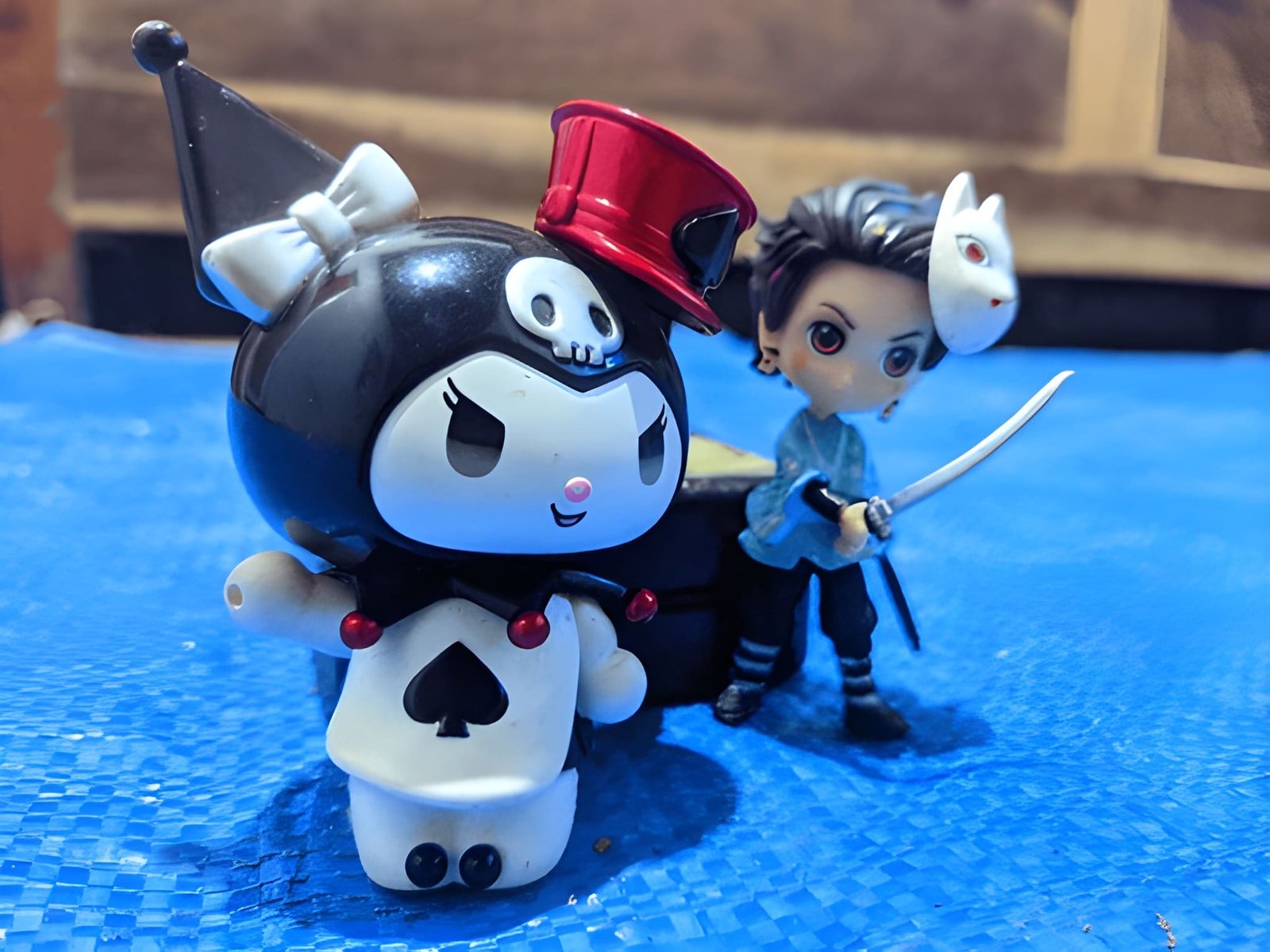
There is something undeniably magnetic about a character who embraces the dark side. Whether it is the pale complexion, the deadpan wit, the wardrobe drenched in black, or the philosophical outlook that refuses to pretend the world is all sunshine and rainbows — goth cartoon characters have carved out a permanent and beloved space in the history of animation.
From the golden era of Saturday morning cartoons to the edgy animated series of the 1990s and the streaming originals of today, dark and mysterious cartoon characters have resonated with audiences in a way that cheerful protagonists sometimes cannot. They speak to the outcasts, the overthinkers, the kids who found more comfort in a cemetery aesthetic than in a cheerleader’s pom-poms. And honestly, they are often the most interesting people in the room.
This article explores the most iconic goth cartoon characters ever created — who they are, what makes them so compelling, why they matter culturally, and why the gothic aesthetic continues to thrive in animated storytelling.
What Makes a Cartoon Character ‘Goth’?
Before diving into specific characters, it helps to understand what actually defines a goth aesthetic in animation. The term ‘goth’ in popular culture draws from the gothic subculture that emerged in the early 1980s, rooted in post-punk music, Victorian literature, and an attraction to themes of darkness, death, beauty, and existential melancholy.
In cartoons, a goth character typically shares a recognizable set of traits. They tend to dress in black or dark colors, often with Victorian, punk, or occult-inspired details. Their personality leans introspective, sardonic, or melancholic — they are rarely the life of the party, and that is entirely by choice. They often have an interest in topics like death, the supernatural, philosophy, or the macabre, and they tend to feel like outsiders in the social environments the story places them in.
Crucially, the best goth cartoon characters are not dark for the sake of shock value. Their aesthetic reflects something genuine about their worldview. They are characters who see through the superficiality of mainstream culture and choose authenticity over popularity — a theme that resonates deeply with audiences of all ages who have ever felt like they did not quite fit in.
Dark animated characters can also be distinguished from villain characters. Many goth cartoon figures are protagonists or sympathetic side characters — the goth is not the evil one, they simply see the world differently. That distinction is important, and it is part of what has made these characters so beloved over the decades.
The Most Iconic Goth Cartoon Characters in Animation History
Wednesday Addams — The Addams Family
No list of dark cartoon characters would be complete without Wednesday Addams. Originally a character created by cartoonist Charles Addams in 1938, Wednesday became one of the most recognizable goth figures in all of pop culture through various animated adaptations, most notably the 1973 animated Addams Family series and the 1992 animated revival.
Wednesday is the ultimate deadpan goth child. She is emotionless by design, finds joy in the morbid, and views the cheerfulness of the outside world with quiet contempt. Her expressionless face, black braids, and pale complexion became the visual template for what a goth girl looks like in popular imagination. She does not try to be dark — she simply is, and the world around her is left to deal with that.
What makes Wednesday enduringly iconic is her intelligence and her complete lack of interest in approval. She is not trying to shock anyone. She is just being herself, and everyone else’s discomfort with that is their problem. That quiet confidence is something audiences have admired for generations.
Raven — Teen Titans
Raven from the Teen Titans animated series, which aired on Cartoon Network from 2003 to 2006, is arguably the most beloved goth character in superhero animation. Half-human and half-demon, Raven is a deeply complex character whose dark exterior masks a rich emotional interior that she must constantly suppress — because her emotions literally trigger her powers.
Her aesthetic is distinctly goth: a grey leotard, a deep blue hooded cloak, dark magic powers that manifest as shadowy energy, and a tendency to meditate alone in her room. She reads books, speaks in a flat monotone, and responds to nearly everything with dry, understated sarcasm. But beneath that carefully controlled surface is a character wrestling with enormous emotional depth — fear, longing, the desire for connection — all of which she keeps locked away out of necessity.
Raven became a cultural touchstone for young viewers who related to the experience of feeling deeply but choosing not to show it. Her character arc across the Teen Titans series — particularly in episodes and seasons that explore her demonic heritage and her struggle for self-definition — remains some of the most emotionally resonant storytelling in children’s animation.
Marceline the Vampire Queen — Adventure Time
Marceline from Cartoon Network’s Adventure Time is one of the most fully realized goth characters in modern animation. A thousand-year-old vampire queen who plays an electric bass guitar and floats through the post-apocalyptic Land of Ooo, Marceline defies easy categorization — she is goth, she is punk, she is emotionally complex, and she is undeniably cool.
Her aesthetic combines classic vampire mythology with a rock musician’s edge. She wears dark, casual clothes, has chalk-white skin, and her powers include flight, shapeshifting, and feeding on the color red rather than blood. But what truly defines Marceline as a goth character is her relationship with loneliness, loss, and the passage of time. Having lived for over a millennium, she carries the weight of countless friendships and relationships that have faded or ended. Her music — moody, heartfelt, often melancholic — expresses what she cannot always say in words.
Over the course of Adventure Time and its follow-up miniseries, Marceline’s backstory is gradually revealed to be one of the most poignant in the show. Her abandoned childhood, her complicated relationship with her father, and her eventual romance with Princess Bubblegum gave audiences a goth character with genuine emotional stakes and a satisfying arc. She is not dark because it is a pose — she is dark because the world has genuinely been hard, and she has kept going anyway.
Grim — The Grim Adventures of Billy and Mandy
While Grim from The Grim Adventures of Billy and Mandy is technically the Grim Reaper rather than a goth character in the subcultural sense, he belongs firmly in the canon of dark animated figures. Voiced with weary Caribbean charm, Grim is Death itself — reduced by a bet to serve as the best friend of two extremely peculiar children.
The show’s entire premise is a loving embrace of the macabre. Grim carries a scythe, commands the powers of darkness, and regularly interacts with demons, monsters, and supernatural entities. Yet his daily reality is absurdly mundane: doing homework, attending school events, and trying to maintain his dignity while Billy and Mandy drag him through one supernatural misadventure after another.
Grim works so well as a character because the show plays his goth attributes completely straight while placing him in the most ordinary suburban contexts. The contrast is both hilarious and strangely affectionate. Grim is a genuinely dark character — he is Death, after all — but he is also deeply relatable in his longing for respect and his perpetual sense of being underappreciated.
Lydia Deetz — Beetlejuice: The Animated Series
Lydia Deetz from the Beetlejuice animated series, which aired from 1989 to 1991, is one of the earliest and most clearly defined goth cartoon characters in animation history. Based on the character from Tim Burton’s 1988 film, animated Lydia is a goth teenager who can see and communicate with the dead — a gift that makes her unusual in the living world but gives her a unique connection to the Netherworld and its chaotic inhabitants, particularly Beetlejuice himself.
Lydia’s aesthetic is classic goth: all-black wardrobe, wide-brimmed hat, pale skin, and a quiet intensity about her. Unlike many teenagers in animated series, she is not anxious about her strangeness — she embraces it. The animated series took the darker elements of the film and softened them for a younger audience, but Lydia’s fundamental character remained intact: a thoughtful, artistic girl who finds the world of the living too ordinary and the world of the dead far more interesting.
The Beetlejuice animated series helped introduce an entire generation of children to the idea that being different was not just acceptable but genuinely cool. Lydia’s friendship with Beetlejuice — chaotic and strange as it was — modeled a kind of loyalty that did not care about social rules or conventional expectations.
Mandy — The Grim Adventures of Billy and Mandy
Mandy deserves her own mention, separate from the show she shares with Grim. She is one of the most uniquely conceived dark animated characters in the history of the medium. Mandy is not goth in the subcultural aesthetic sense — she rarely wears black and does not reference death or the macabre in the way a typical goth character would. Instead, she is dark in a far more elemental way.
Mandy is a small blonde child who commands absolute obedience from the Grim Reaper through sheer force of will. She has no supernatural powers of her own — she is simply so determined, so ruthlessly strategic, and so completely uninterested in mercy that reality itself tends to bend around her. When she smiles — which is rare — the universe trembles. Several episodes suggest she will eventually conquer the world, if not the afterlife itself.
Mandy represents a particular kind of dark cartoon character: not the melancholy outsider or the supernatural being, but the ordinary human whose inner darkness is expressed through pure, undiluted ambition and control. She is compelling precisely because she has no tragic backstory, no emotional vulnerability — she is simply what she is, and what she is happens to be terrifying.
Victor and Vanessa — Various Dark Animated Series
Beyond the most famous names, the history of goth-adjacent animation is rich with secondary characters who brought darkness and complexity to their respective shows. Characters like Sam from Danny Phantom — a self-described ultra-recyclo vegetarian with a goth aesthetic and a fierce individuality — helped normalize goth identity in children’s animation of the 2000s. Her character challenged the idea that being dark or different was something to grow out of, framing it instead as a valid and meaningful way of moving through the world.
Why Dark Cartoon Characters Resonate So Deeply With Audiences
It is worth asking why goth cartoon characters have such staying power. Part of the answer is representation. For children and teenagers who feel like outsiders — who are drawn to darker music, unconventional aesthetics, or philosophical questions that their peers are not yet asking — seeing a character who shares those inclinations and is portrayed sympathetically can be profoundly validating.
The best dark animated characters are not cautionary tales. They are not depicted as troubled cases who need to learn to be more cheerful. They are portrayed as fully realized people whose perspective on the world is legitimate and often surprisingly wise. Wednesday Addams is not fixed by the end of the story. Raven does not abandon her hood and start smiling more. Marceline does not give up her bass guitar for something more conventionally appealing. They remain who they are — and they are respected for it.
There is also the matter of emotional authenticity. Gothic and dark aesthetics have always been associated with a willingness to look at difficult aspects of existence — mortality, loneliness, the arbitrary cruelty of the world — without flinching. In an entertainment landscape that often pressures animated content toward relentless positivity, goth cartoon characters offer something genuinely different: a kind of honesty about the harder parts of being alive.
Children, in particular, respond to this honesty. They are often navigating real experiences of loss, confusion, social rejection, and existential uncertainty — experiences that cheerful animated characters sometimes address poorly. A character like Raven, who struggles daily with the weight of her own emotional life and the fear of what she might become, speaks to those experiences in a way that feels true.
The Cultural Legacy of Gothic Animation
The influence of goth cartoon characters extends well beyond animation. Wednesday Addams has become one of the most recognizable pop culture figures in the world, inspiring fashion, Halloween costumes, and a hit Netflix live-action series that introduced the character to a new generation. Raven remains one of the most discussed characters from the Teen Titans era, with extensive fan communities dedicated to analyzing her arc and celebrating her design. Marceline from Adventure Time has been cited by musicians, artists, and writers as a character who genuinely influenced their own creative work.
These characters also helped shape the broader culture’s relationship with the goth aesthetic itself. By presenting dark, unconventional characters as protagonists rather than antagonists — as cool, intelligent, and worth caring about — animated series played a real role in destigmatizing the goth subculture for mainstream audiences.
The gothic tradition in animation is also a legitimate art form in its own right. From the expressionist darkness of early Disney films to Tim Burton’s distinctive visual style, from the Addams Family to Adventure Time, animated storytelling has always had a rich dark vein running through it. Goth cartoon characters are not a niche curiosity — they are part of the mainstream history of the medium.
Modern Goth Cartoon Characters Keeping the Tradition Alive
The tradition of dark animated characters is far from fading. Contemporary animation continues to produce gothic and dark-aesthetic characters who carry forward what their predecessors established while bringing fresh perspectives to the form.
Characters like Enid Sinclair from the live-action and animated crossover Wednesday series have reintroduced goth aesthetics to younger audiences. Shows like The Owl House feature dark, gothic worldbuilding alongside protagonists who embrace unconventional identities with pride. Animated series aimed at adult audiences, including Castlevania on Netflix, have brought gothic horror animation to an entirely new level of visual sophistication and narrative depth.
In the age of streaming, where content can target specific audiences with greater precision, the appetite for dark, gothic, and mysterious animated storytelling has only grown. The modern goth cartoon character is as likely to be found on a streaming platform as on Saturday morning television — and their influence continues to expand.
Conclusion: The Enduring Power of Dark Animated Characters
Goth cartoon characters have always been more than a visual aesthetic or a subcultural reference. At their best, they represent something genuinely important in animated storytelling: the willingness to look at the world honestly, to embrace the strange and the dark without apology, and to show audiences — especially young ones — that being different is not a flaw but a kind of strength.
From Wednesday Addams to Raven to Marceline, the most iconic dark and mysterious animated figures of all time share a common thread. They know who they are. They do not particularly care if you approve. And somehow, across generations of viewers who grew up watching them, that quiet self-possession has made them unforgettable.
In a medium that could always choose the easiest and brightest path, these characters chose the shadowed one — and the history of animation is richer for it.

