
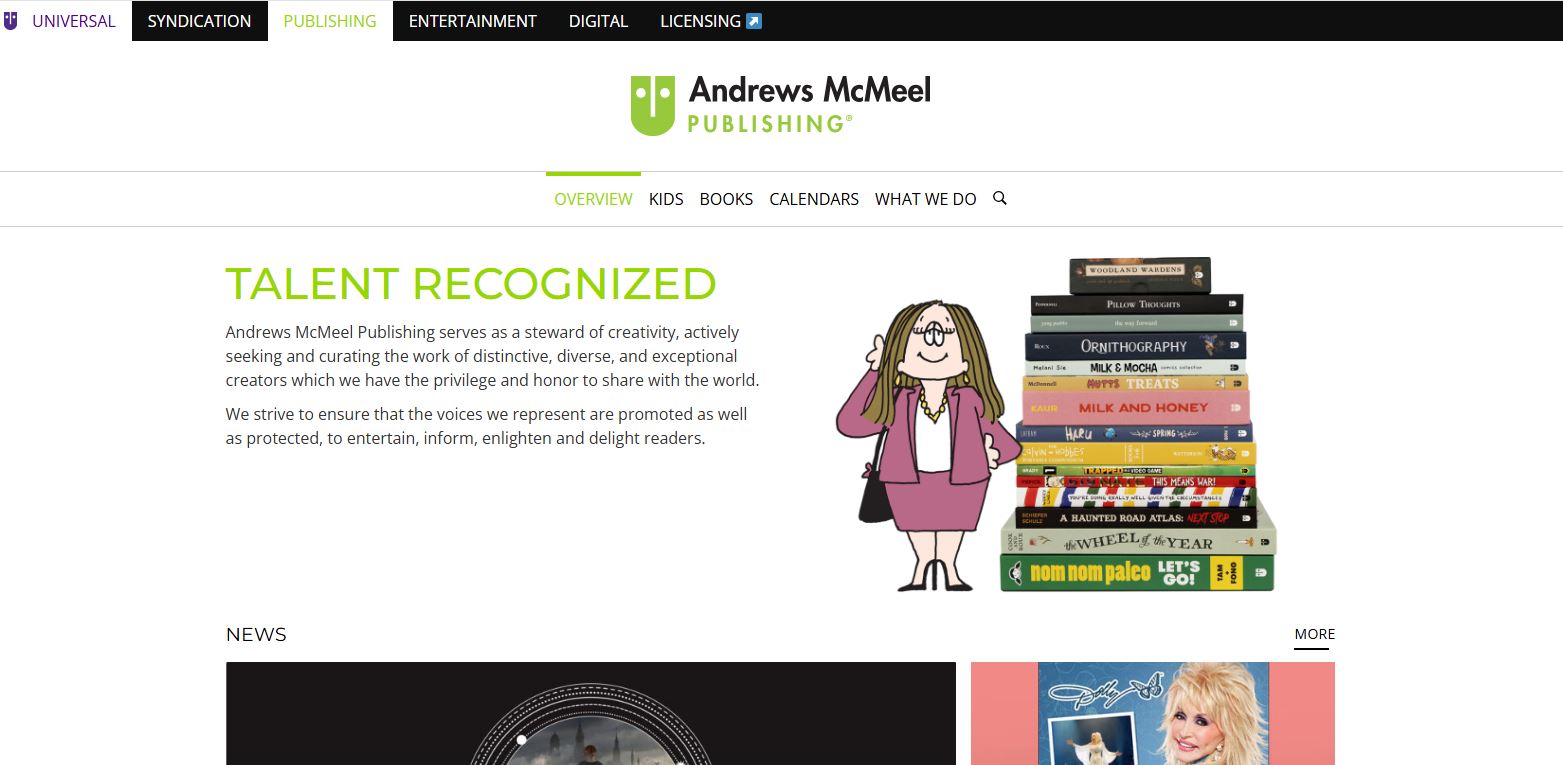
Andrews McMeel Publishing (AMP) stands out in the literary landscape. They are known for their unique blend of popular culture, humor, gift books, and vibrant graphic novels. Their catalog includes celebrated artists, cartoonists, and social media stars.
Getting published by Andrews McMeel means joining a selective, high-profile list. Because of their success, the bar for Andrews McMeel Publishing submissions is exceptionally high.
This detailed guide breaks down the submission process. It shows you exactly what AMP looks for. It will give you the best chance to submit your work successfully. We’ll cover everything from preparation to the crucial book proposal requirements for humor books.
Phase 1: Understanding the AMP Brand Identity
Before sending anything, you must know your target. AMP is not a traditional fiction house. They have a very specific, recognizable brand.
Their strength lies in format innovation. Think of non-fiction, poetry, inspirational titles, and graphic collections. They are masters of the accessible, visually engaging book.
Understanding this identity is key to successful Andrews McMeel Publishing submissions. Does your project look like something already on their shelves?
What Kind of Books Does Andrews McMeel Publish?
AMP primarily focuses on content that has proven audience engagement. They look for work that translates well to a gift format or appeals to a highly engaged community.
This includes poetry from social media stars like Rupi Kaur. It covers bestselling comic strip collections like Calvin and Hobbes and The Far Side. It also features unique non-fiction.
Their core categories are humor, general non-fiction, graphic novels, inspiration, and illustrated gift books. They are less focused on lengthy literary novels or dense academic works.
If your book fits into these areas, you’re on the right track. If it doesn’t, you should reconsider your publisher choice. Targeting the wrong house is a guaranteed rejection.
AMP Submission Guidelines: Identifying Core Genres
To maximize your chances, familiarize yourself with the specific Andrews McMeel Publishing genres accepted. They look for distinct types of submissions.
Humor/Comics: This is their heritage. They look for collections that have established online followings. They want books that will make great gifts.
Inspiration/Poetry: They publish highly successful volumes of contemporary poetry. These are typically short, accessible, and emotionally resonant.
Graphic Novels/Illustrated: This includes full graphic novels and illustrated non-fiction. They value strong, distinctive art styles.
Non-Fiction/Pop Culture: They often feature quirky reference guides, unique cookbooks, or books tied to popular online trends. They are trend-aware.
Phase 2: Navigating the Submission Routes
There are generally two paths for Andrews McMeel Publishing submissions: agented and unsolicited. Understanding the difference is vital.
The Agented Route: The Preferred Path
Like most major publishers, AMP strongly prefers submissions that come through a literary agent. Agents vet proposals and pitch only high-quality, market-ready projects.
This saves the editors immense time. It signals that your work has already passed a professional gatekeeper. If you are serious about getting published by Andrews McMeel, securing an agent should be your first step.
Agents often have existing relationships with AMP editors. They know exactly who to pitch and how to frame the book proposal requirements for humor books. This dramatically increases your visibility and credibility.
The Unsolicited Submission Option
AMP does accept unsolicited submissions directly from authors for certain categories. This is a very rare and highly competitive channel.
If you choose this route, your submission must be flawless. It must follow the AMP submission guidelines exactly. The slightest deviation could result in immediate rejection.
They primarily look for fresh, unique concepts with demonstrated audience potential. This means your submission must include evidence of a strong author platform for AMP.
How to Get a Literary Agent for AMP
To land an agent, you need a polished manuscript (or full proposal for non-fiction). Research agents who specifically represent AMP authors or focus on your unique genre (e.g., illustrated non-fiction).
Your query letter tips for AMP are essential here, too. The query letter must be short, compelling, and include your book’s unique selling proposition. It must showcase your market awareness.
Once an agent accepts your work, they will handle the Andrews McMeel Publishing submissions process entirely. This is the gold standard approach.
Phase 3: Crafting the Winning Book Proposal
For non-fiction, graphic collections, or any illustrated work, the book proposal is your sales tool. AMP will judge your project based on the proposal, not just the content.
A successful proposal is a business plan for your book. It shows AMP how they will make money. It proves your expertise and audience reach.
The Essential Components of a Book Proposal
A typical, winning book proposal for AMP should contain several key sections:
1. The Overview and Hook: This is the executive summary. Start with a compelling logline or pitch that defines your book in one or two sentences. Clearly state what your book is, who it is for, and why AMP should publish it.
2. The Query Letter: Your query letter tips for AMP emphasize brevity and enthusiasm. Keep it to one page. Introduce yourself, state the book’s title, and quickly summarize its market appeal. End with a clear call to action, offering to send the full proposal.
3. Author Bio and Credentials: Why are you the only person who can write this book? Highlight relevant expertise. For humor and graphic work, showcase any awards, popular strips, or large social media followings.
4. Market Analysis and Competition: This is where many authors fail. You must prove a need exists for your book. Identify 3-5 successful comparable titles published within the last three years. Crucially, explain how your book is different and better.
5. Detailed Chapter Outline: For a non-fiction or gift book, provide a chapter-by-chapter summary. For illustrated work, show the structure and flow. This proves the content is organized and complete.
6. Sample Content: Provide 10-20 pages of polished, professional sample material. For graphic work, this must include fully finished pages or strips. This demonstrates your craft.
7. Marketing and Promotion Plan (The Platform): This is the most crucial part for an indie author. Show exactly what you bring to the table in terms of readership. This leads directly to the next phase.
Phase 4: The Platform Imperative for AMP Submissions
Andrews McMeel is keenly interested in authors who already have a direct line to readers. This is the author platform importance for AMP.
Why Your Platform Matters More Than Ever
In the digital age, AMP’s successful authors often build their audience first. This de-risks the investment for the publisher. If you already have 100,000 followers who love your work, they know those followers will buy the book.
Your platform is not just about follower count. It’s about engagement. Are your readers actively commenting, sharing, and tagging friends? This shows conversion potential.
Showcase your platform data clearly in the proposal’s marketing section. List your follower numbers for each relevant channel: Instagram, TikTok, Substack, etc.
Strategic Platform Data to Include
Focus on numbers that demonstrate sales potential:
- Email List Size: This is the most valuable asset. A dedicated email list has the highest conversion rate.
- Engagement Rate: How many likes, shares, and comments do your posts receive? High engagement is better than passive following.
- Media Mentions: List any interviews, articles, or features you’ve had. This shows your work is media-friendly.
- Existing Sales: If you’ve sold merchandise or self-published an eBook, include those sales figures. They prove your audience is willing to pay.
Phase 5: Genre-Specific Focus Areas
Submitting to AMP requires tailoring your approach based on the genre. The demands for a graphic novel are different from those for poetry.
Submitting Graphic Novels to AMP
When submitting graphic novels to AMP, quality and completeness are non-negotiable. They need to see a project that is nearly finished.
Do not submit rough sketches or partial line work. Provide fully colored, lettered sample pages. The style must be clean, professional, and consistent.
Your proposal must detail the target audience for your specific graphic novel. Is it YA? Adult? Is it humor-focused, or narrative-driven? Be clear and precise.
For comic strip collections, you must prove the strip has a steady, widespread following, either via syndication or a popular webcomic presence.
Submitting Illustrated Gift Books
For inspirational or illustrated gift books (like poetry collections), the visual consistency is paramount. The art style should be unique yet widely appealing.
The text must be concise and deeply relatable. AMP has cornered the market on short-form, emotional, and introspective content. Study their existing titles in this genre to understand the required tone and voice.
Book Proposal Requirements for Humor Books
Humor must be universally appealing and timeless. AMP is the home of classic comics for a reason.
Your book proposal requirements for humor books must focus heavily on the sample content. Show your very best, most representative jokes or essays. Prove that your humor sustains across multiple pieces.
The market analysis must demonstrate where your humor fits without directly competing with their existing, top-selling franchises. Find your unique voice and niche.
Phase 6: Navigating the Waiting Game and Next Steps
Once your meticulously prepared submission is sent, the wait begins. This is often the hardest part of the journey.
Timeline for Andrews McMeel Response
AMP is a highly sought-after publisher. As such, the timeline for Andrews McMeel response can be long. This is especially true for unsolicited submissions.
Response times can range from a few weeks to several months. A quick response often indicates immediate interest. A longer wait might mean the editors are considering it during a busy submission cycle.
Be patient. Do not send follow-up emails weekly. A polite, professional check-in after eight to twelve weeks is generally acceptable, but only if they did not provide a specific response window.
What Happens If You’re Accepted?
If AMP expresses interest, they will contact you or your agent. This usually begins with a request for more material or a meeting.
This is a great sign, but it’s not a contract. Be prepared to discuss revisions, target market, and the final production vision. They want to partner with professionals who are open to feedback.
Maintaining Momentum While You Wait
Do not let up on your work simply because you’ve submitted. Continue to build your author platform’s importance for AMP.
Keep creating content. Grow your email list. The bigger your platform gets while they are considering your proposal, the stronger your leverage becomes if they offer a contract.
If you sign with an agent, they will handle all communication and negotiation. Trust their expertise.
Key Takeaways for Successful Submissions
Success with Andrews McMeel Publishing submissions boils down to three things:
- Professionalism: Your proposal, content, and art must look market-ready.
- Platform: You must bring an audience with you.
- Targeting: Your concept must fit perfectly within their unique brand and catalog.
By treating your submission as a polished business case, you position yourself not just as a creative, but as a valuable partner. That is the key to getting published by Andrews McMeel.
Now that you have this strategic roadmap, which section of your own book proposal are you planning to work on first?

