
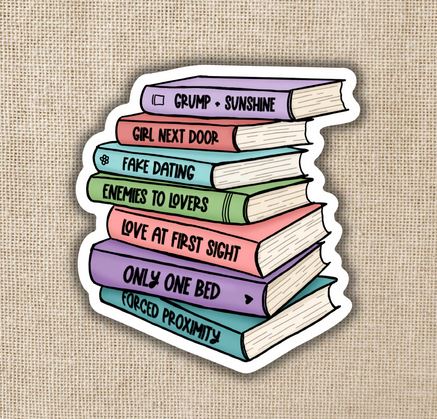
Welcome to the ultimate guide for leveraging romance novel tropes! If you’ve ever felt like every story has been told, you’re looking at it all wrong. Tropes are your best friend.
They are the structural DNA of romance—the elements readers specifically look for when they pick up a book. A trope is a promise, and your job is to deliver on that promise while adding your unique, unforgettable twist.
This guide will explain what tropes are, how to use them skillfully, how to avoid the pitfalls, and provide a massive list of over 150 ideas to get your creative juices flowing.
What are tropes?
Simply put, a trope is a common, recognizable narrative device, theme, or character pattern used in fiction. It’s a recurring situation or scenario.
Think of it like a flavor. Readers don’t want to avoid the “spicy” flavor; they just want a unique recipe that uses it. When a reader searches for a book, they often search by trope: “I need a great enemies-to-lovers story right now!”
A trope is often confused with a cliché. A cliché is an overused and stale expression or idea that shows lazy writing. A trope is a structural tool that works because it sets up specific emotional tension and payoff.
For example, “Enemies-to-Lovers” is a fantastic trope. The cliché version is having them hate each other for a flimsy reason that evaporates in one chapter. The skillful version uses their conflict to reveal their deepest vulnerabilities.
Tropes provide immediate shorthand. They let the reader know the general trajectory of the story, which builds anticipation.
They are the foundation. You are the architect who makes the house unique, memorable, and beautiful. Embrace them! Knowing these familiar structures allows you to play with reader expectations.
How can tropes go wrong?
While tropes are essential, they can become weaknesses if not handled with care. If you lean too heavily on the basic outline without adding originality, your story will fall flat.
Here are the main ways tropes can derail a romance novel.
1. Lack of Character Agency
This is the biggest pitfall, especially in forced proximity tropes. If the only reason the characters are together is because the plot forces them, and they don’t choose each other, the romance feels hollow.
The trope should set the stage, but the characters must actively decide to stay, fight, or compromise. Readers want to see characters struggle, not be dragged along by the plot. The decision to commit must feel earned, not compulsory.
2. Failing the “Why” Test
If you use an “Enemies-to-Lovers” trope, the core question is: Why do they hate each other? If the reason is petty, easily resolved, or based on a simple misunderstanding, the tension collapses prematurely.
A strong trope requires a strong, believable conflict. If it’s “Fake Dating,” the stakes must be real—a job, a family inheritance, or preventing a disaster. If the stakes are low, the payoff will be low. The core conflict must last the entire book.
3. Leaning into Harmful Stereotypes
Some classic tropes, when handled poorly, can reinforce outdated or toxic ideas. The “Alpha Male” trope, for example, can quickly veer into controlling or abusive behavior if the author doesn’t ground the character in respect and genuine care.
It’s crucial to write modern, emotionally intelligent versions of classic tropes. Your characters must be equal partners, regardless of who is the billionaire or the bodyguard. Always ensure the dynamics are healthy and mutually respectful, even when they’re fighting.
4. Predictable Pacing and Climax
When a reader knows the trope, they know the ending. That’s okay! But they shouldn’t know exactly when and how every beat happens.
If your “One Bed” trope climaxes exactly halfway through the book, and the Third Act Breakup happens predictably at 80%, the reader checks out. Subvert the pacing. Introduce an unexpected obstacle or solve the initial problem, but then reveal a deeper emotional conflict that forces the split.
How to use tropes
Using a trope successfully means using it as a starting point, not a complete blueprint. The best romance novels twist, deepen, or subvert the core trope in unique ways.
Follow these strategies to elevate your familiar concepts into novel, must-read experiences.
1. Subvert the Reader’s Expectations
A subversion doesn’t mean changing the trope entirely; it means fulfilling the promise in an unexpected way.
For a “Grumpy/Sunshine” story, maybe the Sunshine character isn’t cheerful because they’re naturally optimistic, but because they are fiercely determined to find the good in everything to cope with a deep trauma. Their “sunshine” becomes a defense mechanism, which the Grumpy character recognizes and respects. The trope is deepened, not discarded. The true conflict is helping the “Sunshine” heal.
2. Combine and Layer Tropes
This is where originality often resides. Instead of relying on just one, layer two or three ideas to create something fresh.
For instance, combine a Forbidden Love (like a teacher and student’s parent) with a Fake Dating scenario (they pretend to be together for a school fundraiser). This complexity of layered conflict is what makes a story stand out.
- The combination creates immediate, multi-faceted tension.
- The complex web of conflicts keeps the reader guessing about which layer will unravel first.
3. Prioritize Internal Conflict
The external conflict (the “Trope”) only drives the first third of the book. The relationship must be grounded in deep internal conflict.
The Grumpy character must have a genuine, character-based reason why they resist happiness or connection. The Forbidden Love isn’t just forbidden by the rules; it’s forbidden because one character fears the commitment will shatter their perfectly constructed life.
Make the internal struggle—the fear of vulnerability—the true villain of the story. The external trope is the mechanism that forces this internal wound to be exposed.
4. Master the Pacing and Tension
The tension must evolve as the plot progresses.
- Phase 1 (Setup): Focus on the initial, often humorous or situational tension of the trope (the fake relationship rules, the confined space of one bed).
- Phase 2 (Deepening): Transition the tension from external proximity to emotional vulnerability. The characters start to truly see each other, breaking their self-imposed rules.
- Phase 3 (Climax): The final tension must be internal. The external problem is solved, but the real test is whether they can overcome their own fears and choose to build a future together. This final, personal choice is the true payoff.
List of 150+ Romance Novel Tropes
To give you the most targeted inspiration, we have organized the 150+ tropes into eight strategic categories.
1. Relationship Type Tropes (The Core Dynamic)
These define the fundamental nature of the protagonists’ emotional connection.
- Enemies-to-Lovers
- Friends-to-Lovers
- Rivals-to-Lovers
- Opposites Attract
- Grumpy/Sunshine
- He Falls First/Harder
- She Falls First/Harder
- Mutual Pining (Both characters secretly love each other)
- Forbidden Love
- Second Chance Romance
- One Night Stand to More
- Soulmates (Non-Paranormal Destiny)
- Love Triangle
- The Reformed Rake (or Playboy/Player)
- The Good Girl/Bad Boy
- The Wager/The Bet (Relationship starts as a challenge)
- Accidental Proximity Leads to Love
- Relationship of Convenience (Starts transactional, ends emotional)
2. Plot Device & Situation Tropes (The Driving Action)
These tropes are the external catalysts that force the relationship to happen.
- Fake Dating/Pretend Couple
- Marriage of Convenience (or contractual marriage)
- Mistaken Identity
- Amnesia/Memory Loss
- Only Way Out (Crisis requires partnership)
- Pen Pals/Online Dating (Meet cute after a long online relationship)
- Mail Order Bride/Arranged Marriage
- The Inheritance Plot (Must marry or live together for wealth)
- The Switch (Two people swap lives or identities)
- Stuck in Time (Time loop or time travel forces reliance)
- Dear John/Jane Letter (Prompts a dramatic chase/reunion)
- Witness Protection (Forced new life and identity together)
- The Unexpected Reunion (At a funeral, reunion, or unexpected event)
- The Accidental Confession (Made over a bad connection or in a moment of stress)
- The Unexpected Custody Battle (Forces two strangers to co-parent/fight for a child)
- The Ransom (They must pool resources and wits to solve a kidnapping)
- The Accidental Witness (They witness a crime together and must go into hiding)
3. Proximity & Setting Tropes (The Where)
These use the physical environment or imposed living situation to create inevitable intimacy.
- Forced Proximity
- Only One Bed
- Workplace Romance
- Small Town Romance
- Vacation/Holiday Fling
- Roommates (Shared apartment/house)
- In the Trenches (High-stress, high-danger environment)
- Road Trip
- Desert Island/Survival
- Destination Wedding (Romance develops at the event)
- Trapped in an Elevator (A classic micro-proximity)
- Feuding Neighbors (Physical closeness contrasted by hostility)
- The Corporate Retreat (Forced isolation for team building)
- The Home Renovation Project (Paired up on a DIY task)
- The Locked-Room Mystery (Confined during a crisis)
- Cruise Ship Setting
- Rival Food Truck Owners (Competing in close proximity)
- Rival Dog Owners (Their pets force interaction)
- The Unexpected Heir (Inherits a property and must live with the current resident)
- The Crossover Consultant (The outsider brought in to fix the protagonist’s chaos)
4. Professional Tropes (User Requested)
These focus on relationships complicated by careers and power dynamics.
- Boss/Assistant
- Nanny/Employer
- The Bodyguard/The Protected
- Celebrity/Normal Person (Fame complicates the job)
- The Teacher/Professor (Relationship complicated by academic ethics)
- The Doctor/Nurse (High-stress medical setting)
- Rival CEOs/Venture Capitalists
- The Art Critic/The Artist
- The Chef/The Food Blogger (Rivalry over reviews)
- The Ghost Writer/The Subject (Falling for the person whose story you’re telling)
- The Star Athlete/The Agent or PR Manager
- The Librarian/The Intellectual (Quieter, bookish setting)
- The Farmer/Rancher (Connection to the land)
- The Lawyer/The Client (Or opposing counsel)
- The Dating Coach/The Client
- The Therapist/The Non-Client (Meeting outside the practice)
- The Retired Soldier/The Quiet Writer (A protector role)
- The Spy/The Mark (One is tracking the other)
- The Wedding Planner/The Groom (After the wedding is called off)
- The Quiet Accountant/The Secret Spy
- The High-Profile Divorce Lawyer/The Opposing Spouse
5. Age & Family Tropes (User Requested)
These focus on internal and external conflicts related to age, children, or family bonds.
- Age Gap (Significant difference causes tension)
- Single Parent (The child adds a secondary conflict)
- Best Friend’s Sibling
- Older Brother’s Best Friend
- High School Sweethearts (Reconnecting years later)
- College/University Setting (Youth and self-discovery)
- The Single Parent’s Friend (Love interest is close to the child’s other parent)
- The Unexpected Guardian (Two strangers named joint guardians)
- The Family Faux Pas (Pretending to date for a family event)
- In-Law Interference (Family members are the primary obstacle)
- The Secret Baby/Parent (Unexpected reveal of a child)
- The Parent Who Falls for Their Child’s Teacher
- Childhood “Promise to Marry” Pact (Resurfaces as an adult)
- The Estranged Family Members forced to reunite (The Inheritance House Renovation)
6. Character Archetype Tropes (The Who)
These define the characters’ personalities, backgrounds, or social roles.
- Billionaire/Poor Girl (or equivalent wealth disparity)
- The Jock/The Nerd (The unlikely pairing)
- The Artist/The Muse
- The Outsider/The Local (Newcomer disrupts the community)
- The Mysterious Stranger (Hidden past)
- The Wallflower/Shy Heroine
- The Sarcastic Duo (Only communicate via witty insults)
- The Heiress who must work a manual labor job.
- The Quiet Accountant (With a secret passion)
- The Idealist/The Cynic
- The Good Guy/The Troublemaker
- The Hero Rescues the Heroine from a boring situation
- The Damsel in Distress (Modern version: competent, but needs help)
- The Clumsy/Accident-Prone Protagonist
- The Character Who Doesn’t Believe in Love
7. Emotional & Internal Conflict Tropes
These deal with the deep-seated emotional baggage that prevents characters from committing.
- Emotional Scars (Past trauma prevents trust)
- Fear of Commitment
- Pining After the Dead (Still grieving a previous partner)
- Unrequited Love (One-sided love, at first)
- The Secret Crush (Kept hidden for fear of rejection)
- The Hero’s Secret Shame (Hiding a past event)
- The Misunderstanding (An easily fixable, but persistent, mistake)
- The Two Characters with Different Life Goals
- The Character Who Must Choose Between Love and Career
- The “I Can Fix Him/Her” Syndrome (Caregiver dynamic)
- The Character Who Resists Vulnerability
- The Character Who Doesn’t Feel Worthy of Love
8. Genre-Specific & Subverted Tropes
These apply specifically to sub-genres like Paranormal, Sci-Fi, or highly specific niche scenarios.
- Fated Mates (Paranormal/Fantasy)
- The Chosen One/The Handler
- Fae/Human Forbidden Love
- Arranged Betrothal (Sci-Fi/Fantasy)
- The Mind Link (Involuntary telepathic connection)
- Vampire/Vampire Hunter
- The Prophecy (Shared destiny they fight)
- Soulmate Tattoo/Mark (Visible sign of connection)
- The Time Travel Mishap (Falling in love across centuries)
- The Soulmates who are on opposite sides of a global conflict.
- Pet Rivalry (Their pets are enemies, they become lovers)
- The Misdelivered Mail/Package
- The Terrible Matchmaker (A disastrous setup that somehow works)
- The Blind Date Disaster (So bad it’s good)
- The Accidental Confession of Love overheard by the wrong person.
- The Protagonist dates a triplet, and gets the wrong one.
- The Barista who knows the CEO’s order too well.
- Grumpy/Sunshine where the Sunshine is the rich one.
- The Two Leads Meet After a Fender Bender.
- The Fake Fiancé called out at a high-stakes dinner.
- The relationship developed through online gaming/MMOs.
- The hero rescues the heroine from a boring conversation.
- The “Who is the Secret Santa?” reveal.
- The Amnesia where they have to fall in love all over again.
- The person who falls for their former student’s parent.
- The Friends-to-Lovers who had a pact to marry at 40.
- The scientist who falls for their lab partner’s brother.
- Mistaken Identity where they think the other is a famous person.
- The Secret Pen Pal revealed to be their immediate neighbor.
- The Barista who knows the CEO’s coffee order too well and offers unsolicited life advice.
- Enemies-to-Lovers over a parking spot dispute that escalates.
- The relationship begins with a lost phone or wallet.
- The Age Gap where the younger one is the mentor or the boss.
- The Single Parent’s Friend who helps with childcare.
- The Only One Bed is a hammock or a tiny pull-out couch.
- The Family Faux Pas where they pretend to be dating to survive a chaotic holiday.
This breakdown should make it much easier to select the primary conflict (Relationship Type/Plot Device) and then layer in character depth (Archetypes/Emotional Conflict) and a compelling backdrop (Proximity/Setting).
Which category are you most drawn to right now? We could combine a trope from the Professional section with one from the Plot Device section to start outlining a unique story!

