
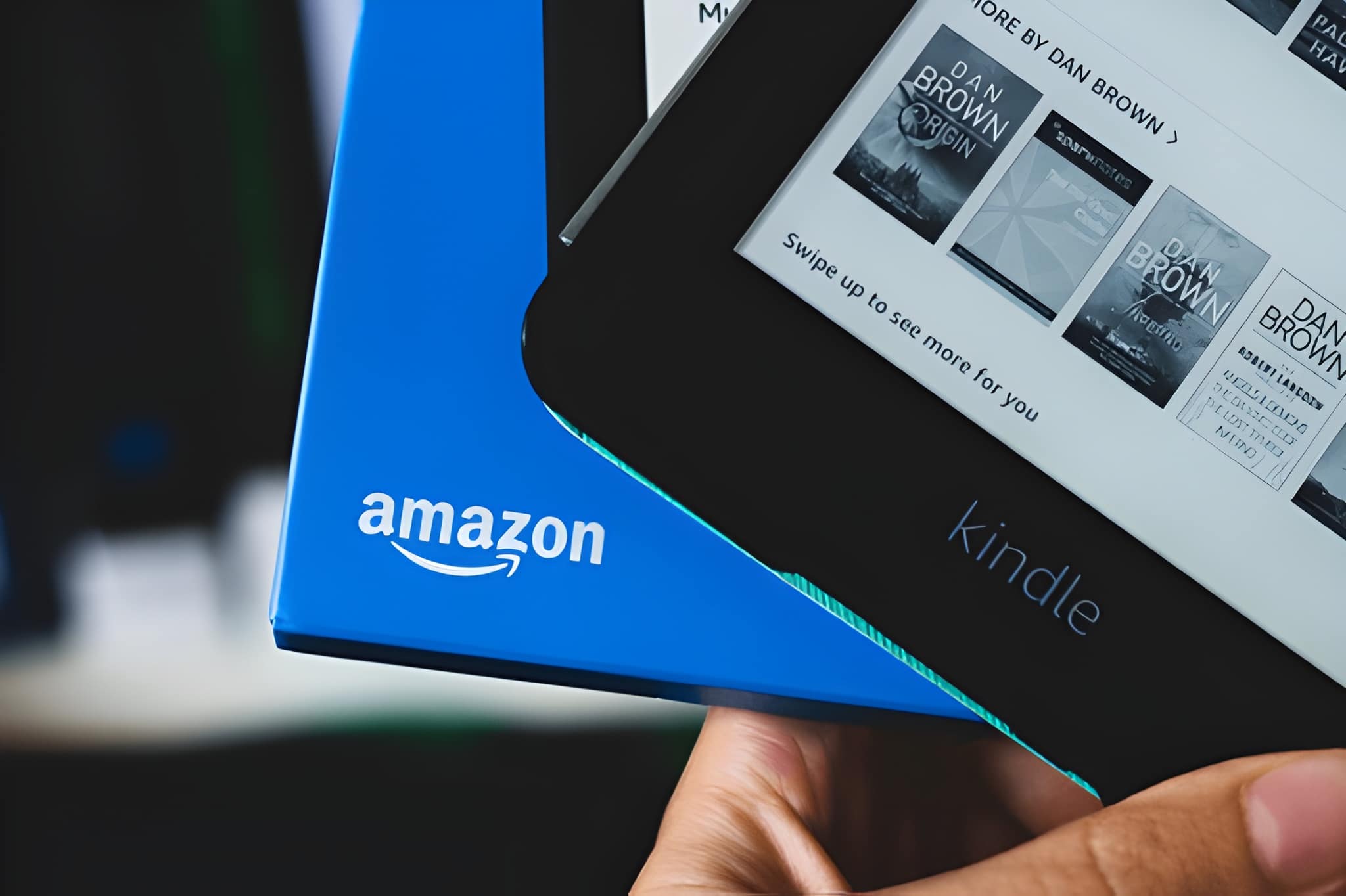
Selling eBooks on Amazon has become one of the most lucrative opportunities for authors and entrepreneurs in the digital publishing landscape. With over 500 million books sold on Amazon annually and the Kindle ecosystem reaching millions of readers worldwide, the potential for success has never been greater.
However, simply uploading your eBook isn’t enough. The Amazon marketplace is highly competitive, with thousands of new titles published daily. Success requires strategic planning, marketing savvy, and understanding the platform’s unique algorithms and reader behaviors.
This comprehensive guide reveals 13+ proven strategies to maximize your eBook sales on Amazon, increase visibility, and build a sustainable author career.
1. Write a Compelling Book Description That Converts
Your book description is your primary sales tool on Amazon. It’s where browsers become buyers.
Statistics show that compelling book descriptions can increase conversion rates by up to 30%. Yet many authors underestimate this critical element.
Structure your description strategically:
Start with a hook that grabs attention immediately. Your first sentence should intrigue readers and make them want more.
Use short paragraphs—ideally 2-3 sentences maximum. Online readers scan content quickly, and dense blocks of text cause them to bounce.
Include emotional triggers relevant to your genre. Thriller readers want excitement and tension. Romance readers seek emotional connection and chemistry.
Optimize with HTML formatting:
Amazon allows basic HTML in descriptions. Use bold text (<b>) for emphasis, italics for book titles, and line breaks (<br>) for better readability.
Create bullet points listing key benefits or story highlights. This makes your description scannable and emphasizes selling points.
End with a clear call-to-action. Phrases like “Start reading today” or “Discover the mystery everyone’s talking about” encourage immediate purchases.
2. Master Amazon’s Keyword Selection Process
Keywords determine whether readers can find your book in Amazon’s search results.
Amazon allows up to seven keyword phrases for each eBook. This space is prime real estate that directly impacts discoverability.
Research keywords strategically:
Use Amazon’s search bar autocomplete feature. Start typing genre-related terms and note what Amazon suggests—these are actual reader searches.
Analyze competitor books ranking in your category. Look at their titles, subtitles, and categories to identify effective keywords.
Focus on long-tail keywords rather than single words. “Cozy mystery with cats” performs better than just “mystery” because it’s more specific and faces less competition.
Avoid common keyword mistakes:
Don’t waste space on words already in your title or author name—Amazon already indexes these.
Avoid generic terms like “book” or “bestseller.” These add no value to discoverability.
Include misspellings or alternate spellings if they’re commonly searched (e.g., “gray” and “grey”).
3. Choose the Right Categories for Maximum Visibility
Amazon allows authors to select two categories during upload, but you can request up to ten categories through Amazon Author Central.
Proper categorization can mean the difference between obscurity and bestseller status.
Strategic category selection:
Choose the most specific categories possible. Ranking #1 in a niche category generates more visibility than ranking #5,000 in a broad category.
Research category bestseller ranks. Some categories require only 10-20 sales daily to hit #1, while others need hundreds.
Mix broad and niche categories. One broad category increases overall exposure while niche categories help you achieve bestseller status more easily.
Update categories strategically:
Contact Amazon KDP support to add additional categories beyond the initial two. Provide specific category paths from Amazon’s browse structure.
Monitor category performance monthly. If you’re not gaining traction in certain categories, request changes to more suitable ones.
4. Price Your eBook for Optimal Sales and Royalties
Pricing psychology significantly impacts eBook sales on Amazon.
Amazon offers two royalty options: 35% for books priced $0.99-$2.98 or above $9.99, and 70% for books priced $2.99-$9.99.
Pricing strategies that work:
The $2.99-$4.99 range typically performs best for debut authors. It’s low enough to encourage trial purchases while maximizing 70% royalties.
Series pricing strategy: Price book one at $0.99 to attract readers, then price subsequent books at $4.99-$6.99. This loss-leader approach builds audience investment.
Monitor competitor pricing in your genre. If most successful books in your category sell for $3.99, staying within that range reduces price resistance.
Leverage promotional pricing:
Run limited-time promotions at $0.99 to boost rankings and reviews. Higher rankings persist after price returns to normal.
Use Kindle Countdown Deals (KDP Select exclusive) to discount your book while maintaining 70% royalties on the discounted price.
5. Invest in Professional Book Cover Design
Your cover is the first thing potential readers notice. It must communicate genre, quality, and professionalism instantly.
Studies show that 80% of readers judge books by their covers, and professionally designed covers can increase sales by 200% or more.
Cover design best practices:
Hire professional designers experienced in your specific genre. Each genre has visual conventions readers expect.
Ensure your cover looks compelling as a thumbnail. Most Amazon browsing happens on mobile devices where covers appear very small.
Use high-resolution images (minimum 1600 x 2400 pixels). Amazon requires quality for its “Look Inside” feature.
Test cover designs with target readers before finalizing. Small changes in color, typography, or imagery can dramatically impact appeal.
Avoid amateur cover mistakes:
Don’t use obvious stock photos without modification. Readers recognize overused images and equate them with low quality.
Avoid cluttered designs with too many elements. Simple, bold covers typically outperform busy, complex designs.
Ensure text is readable at thumbnail size. If readers can’t read your title in search results, they’ll scroll past.
6. Enroll in KDP Select for Maximum Promotional Tools
KDP Select is Amazon’s exclusive program offering promotional benefits in exchange for 90-day exclusivity.
Books enrolled in KDP Select earn approximately 10-15% more revenue on average than non-exclusive books.
KDP Select benefits:
Access to Kindle Unlimited, where subscribers can read your book at no additional cost. You earn approximately $0.0045 per page read.
Free book promotion days (5 per 90-day enrollment period). Free promotions can generate hundreds to thousands of downloads, boosting rankings significantly.
Kindle Countdown Deals allowing limited-time discounts while maintaining 70% royalties.
Strategic KDP Select usage:
Use free promotion days strategically during launches or to revive older titles. Promote heavily on social media and book promotion sites.
Stack promotions—run free days while advertising on platforms like BookBub, Freebooksy, or BargainBooksy for maximum downloads.
Monitor page reads carefully. If Kindle Unlimited isn’t generating significant income, consider going wide (distributing to other platforms) after your enrollment period.
7. Accumulate Reviews Through Legitimate Strategies
Reviews directly impact Amazon’s algorithm and buyer psychology. Books with 50+ reviews typically sell 4-5 times more than books with fewer than 10 reviews.
Ethical review-building strategies:
Use Amazon’s “Request a Review” button in KDP dashboard. This automated email requests reviews from verified purchasers without violating Amazon’s terms.
Include a brief note at the end of your book asking satisfied readers to leave reviews. Keep it simple and genuine.
Build an email list and request honest reviews from engaged readers. Provide advance review copies (ARCs) to dedicated fans.
Engage with book review blogs and NetGalley for professional reviews. These credible sources add legitimacy.
Review strategies to avoid:
Never buy reviews or participate in review exchanges. Amazon’s algorithms detect artificial review patterns and can remove all reviews or even ban your account.
Don’t have family and friends leave reviews unless they’re verified purchasers. Amazon flags reviews from the same IP address or known connections.
Avoid review manipulation tactics. Focus on writing quality books that naturally generate positive reader responses.
8. Optimize Your Author Central Profile
Amazon Author Central provides free tools to enhance your author presence and book visibility.
Complete profiles generate 30% more click-throughs to book pages than minimal profiles.
Profile optimization:
Upload a professional author photo. Readers connect with authors who feel real and approachable.
Write a compelling author bio highlighting relevant credentials, writing journey, or personal elements that build connection.
Link your blog or website to show activity updates on your Author Central page.
Add editorial reviews to book pages. Professional endorsements increase credibility and conversions.
Video content advantages:
Upload author videos to Author Central. Videos dramatically increase engagement and help readers feel connected to you as a creator.
Create videos discussing your writing process, book background, or reading excerpts. Keep them under 2 minutes for maximum engagement.
9. Launch Your eBook Strategically for Maximum Impact
Launch strategy determines whether your book gains immediate traction or languishes in obscurity.
Books that rank well in the first 30 days typically maintain higher long-term visibility.
Pre-launch preparation:
Build anticipation with pre-orders. Amazon counts all pre-order sales on release day, creating a ranking surge.
Gather advance reviews before launch. Aim for 15-20 reviews on release day to build social proof immediately.
Prepare marketing materials in advance—social media graphics, email campaigns, blog posts—so you can execute simultaneously on launch day.
Launch day execution:
Email your entire list on launch day. Your most engaged readers will buy immediately and leave early reviews.
Run paid advertising campaigns starting on launch day. Facebook ads and Amazon ads work synergistically to drive traffic.
Leverage any free promotion or Kindle Countdown Deals within the first week to maximize ranking momentum.
Post in relevant Facebook groups, Reddit communities, and forums (following community guidelines). Personal connection converts better than advertising.
10. Utilize Amazon Advertising (Amazon Ads) Effectively
Amazon Ads place your book directly in front of readers searching for similar titles.
Well-optimized Amazon ad campaigns can generate 3-5x return on ad spend (ROAS) or higher.
Amazon Ads basics:
Start with Sponsored Product ads targeting specific keywords relevant to your book’s content and genre.
Set conservative daily budgets initially ($5-10) while testing keyword performance and conversion rates.
Target competitor books with Sponsored Product ads. Readers browsing similar successful books are ideal prospects.
Advanced advertising strategies:
Use automatic targeting initially to let Amazon identify converting keywords, then harvest those keywords for manual campaigns.
Adjust bids based on keyword performance. Increase bids on keywords generating sales, decrease or pause keywords with clicks but no conversions.
Monitor ACoS (Advertising Cost of Sale). Profitable campaigns typically maintain ACoS below 30-50%, though this varies by royalty percentage and pricing.
Create separate campaigns for different keyword themes (genre keywords, trope keywords, competitor targeting) for better performance tracking.
11. Build an Email List for Long-Term Success
Email marketing generates the highest ROI of any marketing channel, with average returns of $36 for every $1 spent.
Authors with email lists of 1,000+ subscribers typically earn 5-10 times more than authors without lists.
Email list building:
Offer a free book or bonus content in exchange for email addresses. Readers gladly trade contact information for value.
Use tools like BookFunnel or StoryOrigin to deliver free books and manage subscriber lists efficiently.
Place signup links in book back matter, author website, and social media profiles.
Email engagement strategies:
Send regular updates without overwhelming subscribers. Monthly newsletters work well for most authors.
Provide value beyond book promotions—share writing updates, personal stories, or exclusive content.
Segment your list by genre preference if you write multiple genres. Targeted emails convert better than generic blasts.
Promote new releases to your list first. These engaged readers generate crucial launch day sales and reviews.
12. Leverage Social Media for Book Promotion
Social media extends your reach beyond Amazon’s platform and builds direct relationships with readers.
Authors active on social media sell approximately 50% more books than authors with no social presence.
Platform selection:
Focus on 1-2 platforms where your target readers congregate. Spreading thin across all platforms dilutes effectiveness.
Instagram and BookTok (TikTok) work exceptionally well for romance, young adult, and fantasy genres.
Facebook groups and pages remain effective for cozy mystery, thriller, and older demographics.
Twitter (X) serves non-fiction, science fiction, and literary audiences well.
Content strategies:
Share behind-the-scenes content about your writing process. Readers enjoy feeling connected to creation.
Post book quotes, character insights, and visual content related to your stories.
Engage authentically rather than constantly promoting. The 80/20 rule applies—80% value and engagement, 20% promotion.
Use relevant hashtags strategically. Research which hashtags your target readers follow and use them consistently.
13. Write More Books—Series Performance Multiplies Sales
The single most effective strategy for selling more eBooks is publishing more books.
Authors with 5+ books published sell exponentially more total copies than single-book authors.
Series advantages:
Series create automatic readthrough. Readers finishing book one immediately purchase book two, generating organic cross-selling.
Series allow strategic pricing with the first book priced lower to attract readers into the series ecosystem.
Amazon’s algorithms favor authors with multiple books, showing “Customers also bought” recommendations between your own titles.
Production strategies:
Maintain consistent publishing schedules. Readers anticipating your next release stay engaged and recommend your work.
Write in the same genre initially. Building expertise and audience in one niche accelerates growth faster than genre-hopping.
Plan series arcs before publishing book one. This ensures satisfying story progression and reduces rewrites.
Consider writing several books before publishing the first. This allows rapid sequential releases that maintain momentum.
Get Professional Help to Maximize Your eBook Success
Successfully selling eBooks on Amazon requires more than just writing talent—it demands strategic planning, professional presentation, and marketing expertise.
Ghostwriting Solution provides comprehensive services to help authors maximize their Amazon eBook success. Our team offers professional editing to ensure your manuscript meets reader expectations, expert book description writing optimized for conversions, and strategic consultation on pricing, categories, and launch planning.
We understand Amazon’s algorithms, ranking factors, and what makes books sell. Whether you need help preparing your manuscript, optimizing your Amazon presence, or developing a comprehensive launch strategy, our experienced team provides the expertise you need.
Don’t let your eBook get lost in Amazon’s vast marketplace. Visit Ghostwriting Solution today to discover how our publishing services can help you implement these proven strategies and achieve the sales success you deserve.
Bonus Tips for Sustained eBook Sales Success
- Monitor your book’s performance metrics regularly. Amazon provides detailed sales data, page reads, and ranking information. Review these weekly to identify trends and opportunities.
- Stay updated on Amazon policy changes. KDP regularly updates guidelines and features. Join author forums and follow publishing blogs to stay informed.
- Participate in book promotion sites. Services like BookBub, Freebooksy, BargainBooksy, and Robin Reads can drive significant sales during promotional periods.
- Optimize for audiobook sales. Consider creating audiobook versions through ACX. Audiobook listeners are highly engaged and often purchase both formats.
- Network with other authors. Join author groups on Facebook, participate in cross-promotion opportunities, and learn from those successfully selling on Amazon.
- Track your marketing ROI. Monitor which strategies generate the best return on investment and double down on what works while eliminating ineffective tactics.
- Be patient and persistent. Building sustainable eBook sales takes time. Most successful authors spend 1-2 years building momentum before achieving significant income.
Conclusion: Your Path to Amazon eBook Success
Selling eBooks on Amazon successfully requires combining quality content with strategic marketing and platform optimization.
The 13+ strategies outlined here represent proven tactics used by bestselling authors generating full-time incomes from Amazon eBook sales.
Focus on implementing these strategies systematically rather than attempting everything simultaneously. Master book presentation first—professional cover, compelling description, optimized keywords. Then layer in promotional strategies like advertising, email marketing, and social media.
Remember that writing exceptional books remains the foundation. No amount of marketing can compensate for poor writing, but great books combined with smart strategy create unstoppable momentum.
The opportunity to build a successful author career through Amazon eBooks has never been better. The platform provides unprecedented access to global readers, powerful promotional tools, and fair compensation for authors willing to learn the system.
Start implementing these proven tips today. Your Amazon eBook success story begins with taking action on these strategies and committing to continuous improvement as you learn what works for your unique books and audience.

