
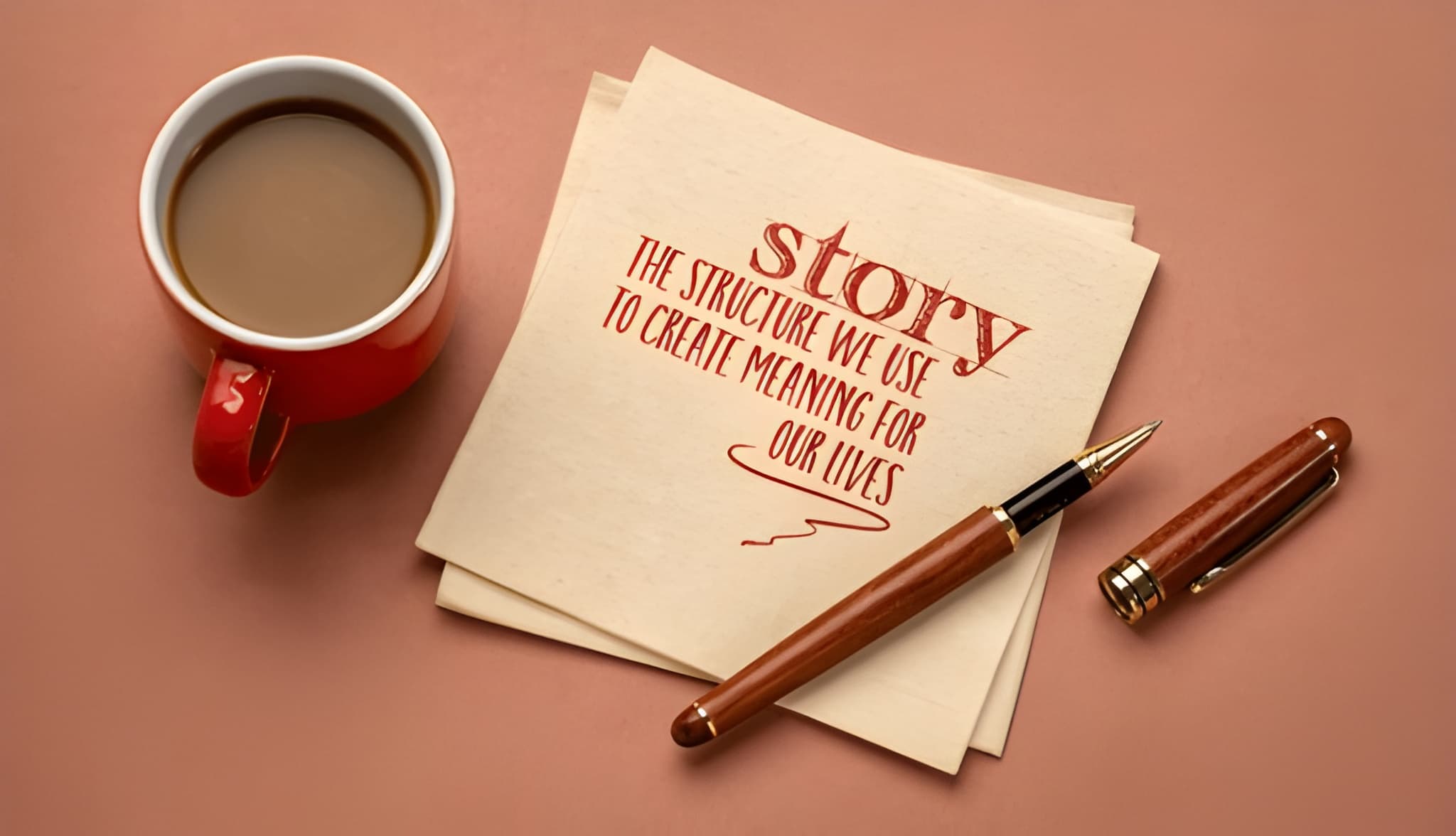
Effective storytelling is an exercise in structure. While the content—characters, setting, and plot events—is the heart of the narrative, the structure is the backbone that ensures the story holds together, maintains pace, and delivers a satisfying emotional arc. Understanding common structural patterns allows writers to diagnose plot problems, generate new ideas, and provide their audience with the familiarity and momentum they crave.
Here are 10 essential story structures that form the foundation of most modern and classic narratives, complete with a breakdown of their components.
1. The Three-Act Structure
The Three-Act Structure is the most ubiquitous and foundational model in Western storytelling. It is a deceptively simple framework that forms the basis for nearly all commercial fiction and screenwriting.
| Act | Name | Purpose and Components | Key Event |
| Act I | Setup | Introduces the protagonist, the setting, and the normal world. It establishes the core conflict and the stakes. The tension is low but building. | Inciting Incident (The event that starts the journey) and Plot Point I (The character commits to the new world/mission). |
| Act II | Confrontation | The longest and most complex section. The protagonist faces increasing obstacles, complications, and rising stakes. This is where the character arc develops most significantly. | Midpoint (A point of no return, often a false victory or massive defeat) and Plot Point II (The lowest point, leading to the final plan/push). |
| Act III | Resolution | The final stretch where all subplots and conflicts converge. It culminates in the Climax—the decisive, high-stakes battle or confrontation. | Climax (The final confrontation) and Denouement (The falling action and resolution of the new normal). |
Modern Example: Almost every contemporary action movie, drama, or romantic comedy (e.g., Star Wars, The Shawshank Redemption).
2. The Hero’s Journey (Monomyth)
Conceptualized by mythologist Joseph Campbell, the Hero’s Journey maps a universal pattern found in myths, legends, and religion across cultures. It details the journey of a hero from their ordinary world into a special world and back again, transformed.
- Key Stages:
- The Call to Adventure: The hero receives a summons or challenge.
- Refusal of the Call: The hero initially hesitates or expresses fear.
- Meeting the Mentor: A wise figure provides advice, tools, or training.
- Crossing the Threshold: The hero commits to the journey and enters the Special World.
- Tests, Allies, and Enemies: The hero faces trials, makes friends, and meets foes.
- The Ordeal (The Abyss): The central, life-or-death crisis where the hero faces their greatest fear.
- The Reward: The hero seizes the treasure, knowledge, or object they sought.
- The Road Back: The hero is pursued by the consequences of the Ordeal.
- The Resurrection: A final, climatic test where the hero is purified by a last sacrifice.
- Return with the Elixir: The hero returns to the Ordinary World, transformed and bringing a benefit to their community.
Modern Example: The Lord of the Rings, The Matrix, and many Disney animated films.
3. Freytag’s Pyramid
Developed by German playwright Gustav Freytag, this model is a variation on the Three-Act Structure, often visualized as a five-part pyramidal diagram suitable for analyzing classical tragedy and drama.
1. Exposition: Background information and setting.
2. Rising Action: Events that lead up to the crisis.
3. Climax: The turning point or crisis.
4. Falling Action: Events that result from the climax.
5. Denouement/Catastrophe: The resolution, where the conflicts are resolved (or a tragic end occurs).
Example: Classic plays like Shakespeare’s tragedies (Macbeth, Hamlet) align closely with this structure.
4. The Fichtean Curve
The Fichtean Curve, often attributed to German philosopher Johann Gottlieb Fichte, is a structure that avoids lengthy exposition and immediately plunges the reader into the action.11 Exposition is revealed gradually through rising action.
- Immediate Action: The story begins mid-event (in media res).
- Constant Rising Action: The story consists of a rapid succession of crises that build intensity.
- Climax: A single, intense peak.
- Rapid Falling Action/Resolution: A quick conclusion after the climax, with little lingering plot.
Example: High-octane thrillers, short stories, and episodic television where the backstory is minimal or interwoven (e.g., The Fugitive).
5. The Seven-Point Story Structure
This structure is a flexible plotting tool that forces the writer to hit key plot elements in a specific order, creating a balanced and progressive narrative arc. It’s often used as a checkpoint system for plotting the Three-Act Structure.
- 1. Hook: The character, setting, and initial conflict are introduced.
- 2. Plot Point I (Inciting Incident): The event that kicks off the story.
- 3. Pinch Point I: The first major point of conflict/tension, forcing the protagonist to react. Often, the antagonist’s power is shown.
- 4. Midpoint: A major reversal of fortune, raising the stakes and often changing the protagonist’s strategy.
- 5. Pinch Point II: The second major tension point, often preceding the climax, where the protagonist is at their lowest point or faces imminent danger.
- 6. Plot Point II (Climax Prep): The protagonist receives the last necessary piece of information or tool before the final confrontation.
- 7. Resolution: The final confrontation and conclusion.
Example: Complex mysteries and fantasy novels that require careful pacing (e.g., Harry Potter series).
6. The “In Media Res” Structure
This technique, Latin for “in the middle of things,” describes a structure where the narrative starts mid-action, often at a high-stakes moment. The exposition is then woven in later through flashbacks, dialogue, or internal monologue.
- Start: Begin with a visually arresting or dramatically intense moment.
- Backstory Reveal: Use the Rising Action to gradually reveal how the characters arrived at the opening situation.
- Conclusion: The narrative continues chronologically toward the climax and resolution.
Example: Many war films, noir detective stories, and epic poems (Homer’s The Odyssey begins this way).
7. Kurt Vonnegut’s Shapes of Stories
Vonnegut, a master storyteller, proposed structures based on the emotional arc of the protagonist.15 Two prominent shapes are:
- Man in a Hole: The hero gets into trouble (falls into a hole), faces complications, and then gets out of it (climbs out). This represents a basic “Rags to Riches” or recovery story.
-
(Good Fortune -> Bad Fortune -> Good Fortune)
-
- Boy Meets Girl: The hero finds something good (meets the girl), loses it (loses the girl), and then gets it back, but slightly altered or improved (gets the girl back).
-
-
(Good Fortune -> Bad Fortune -> Better Fortune)
-
Example: “Man in a Hole” is common in survival stories (Cast Away). “Boy Meets Girl” is the basis of most romantic comedies.
8. The Circular (Ring) Structure
In this structure, the story ends where it began, but the protagonist’s perspective or understanding has fundamentally changed. The beginning and the ending mirror each other geographically, thematically, or in terms of dialogue.
- Beginning: A setup scene establishing the initial state.
- Middle: The entire journey and conflict.
- End: The action returns to the initial setting or scene, providing a sense of closure but highlighting the protagonist’s transformation (or the realization that nothing truly changes).
Example: The Wizard of Oz (starts in Kansas, ends in Kansas, but Dorothy is transformed).
9. The Quest Structure
A subtype of the Hero’s Journey, the Quest Structure is driven by a defined goal, typically the retrieval of a specific object, person, or piece of knowledge. The structure is inherently episodic.
- The Mission: A clear objective is established.
- The Journey: A long series of distinct episodes, each challenging the hero in a unique way and forcing them to gain resources or allies.
- The Retrieval/Acquisition: The hero succeeds in gaining the goal.
- The Return: The hero brings the object back, often having to fight a final time to protect it.
Example: Indiana Jones films, or classic myths like Jason and the Argonauts.
10. Nested Structure (Frame Story)
The Nested Structure involves one or more stories told within the context of a main narrative, often called a Frame Story. The outer frame establishes the setting and characters for the inner tale(s) and provides the overall dramatic context.
- Outer Frame: Begins with a narrator or character setting up the situation (e.g., “Let me tell you a story about…”)
- Inner Story: The main narrative that the frame character tells.
- Outer Frame Return: The narrative returns to the frame to offer a final commentary, reaction, or resolution related to the act of storytelling itself.
Example: Frankenstein (The whole story is told as a letter from Walton), and The Princess Bride (a grandfather reading a book to his grandson).
Conclusion: Structure as Freedom
Understanding these ten structures is not about being constrained; it’s about gaining structural freedom. By recognizing the established patterns, writers can intentionally adhere to them for clarity, subvert them for surprise, or blend them to create something entirely new and unique. The successful writer knows that the story structure is the invisible contract they make with the reader—a promise that the journey will lead somewhere meaningful.

